As fall approaches, let’s take a breather and reflect on the colorful events of summer 2025. For lovers of traditional animation and Japanese art, here is an event from Studio Ghibli that is sure to capture your attention.
In a quiet corner of bustling Tokyo, Ghibli brings its magic to life with the 3D Sculpture Exhibition. For a limited time, the studio offered a chance for visitors to admire life replicas of beloved characters and hard-hitting scenes from their film collection.
Of course, it can be frustrating to miss such an event. But I’d like to take you on a short and sweet virtual tour. So buckle up, and let us take a journey through time and space.
Welcome to the World of Ghibli
Founded in 1985 by Hayao Miyazaki, Toshio Suzuki, and Isao Takahata, Studio Ghibli started out as a humble production studio in the suburbs of Tokyo before gradually growing into a global phenomenon. With their cast of endearing characters, rich worlds, and layered storytelling, Ghibli has captured innumerable domestic and international audiences alike.
In 2003, Studio Ghibli held its first 3D exhibit to showcase artistic talent in a different form, as well as to celebrate their achievements as a studio. After 22 years of anticipation, the event finally returned in the summer of 2025.
Held at Warehouse Terrada’s B&C and E halls in Tennozu, the exhibition ran from May 27 to September 23. Outside of the venue, you can enjoy a stunning view on the riverside boardwalk before stepping inside to experience an unforgettable voyage.
An Immersive Guide
The Exhibition’s First Half
Being a longtime Ghibli fan, I signed up as soon as my friends brought up the exhibition. As your personal tour guide, I will preface by saying that the exhibition consists of “photos” and “no photos” zones, the latter of which I have excluded.
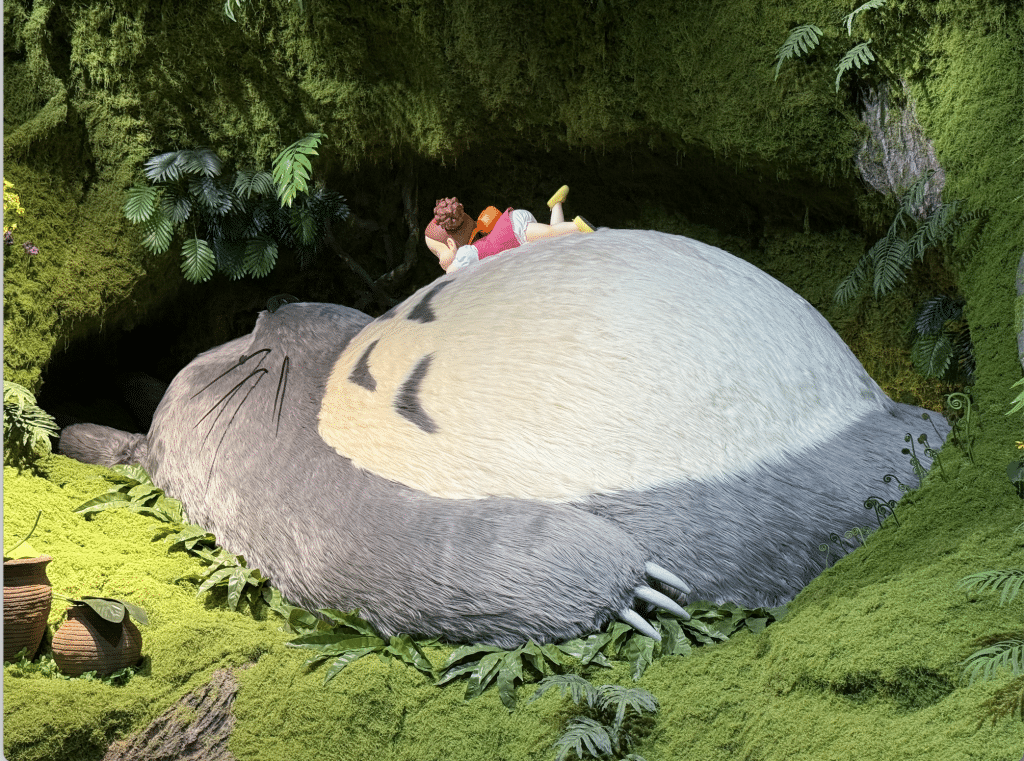
Walking into the exhibition, our group is greeted with a giant 3D sculpture of Totoro, the studio’s mascot, lying down on a patch of lush green grass. Mei Kusakabe lies on top of our fuzzy friend’s big belly, relaxing alongside her strange neighbor. Accompanying each sculpture are atmospheric lighting and immersive music, fully capturing the mood of the piece.

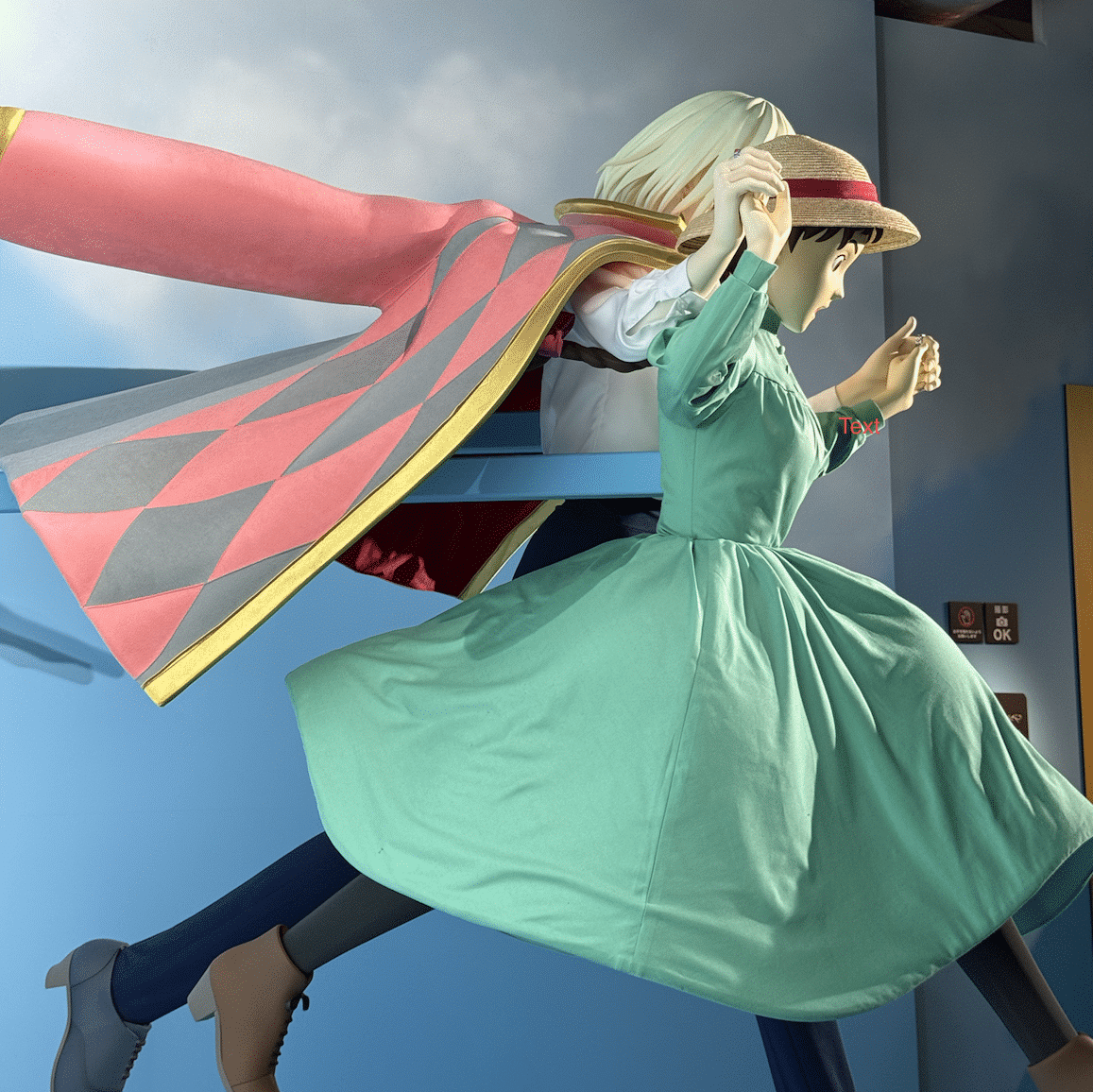
Ground-relaxing done? Let’s soar through the air with our next pair of friendly faces. I immediately lined up to snap photos of one of (if not the most) iconic scenes from Howl’s Moving Castle. The details on Sophie’s dress in particular are incredible, with each fabric crease and fold illuminated beneath the soft lighting.
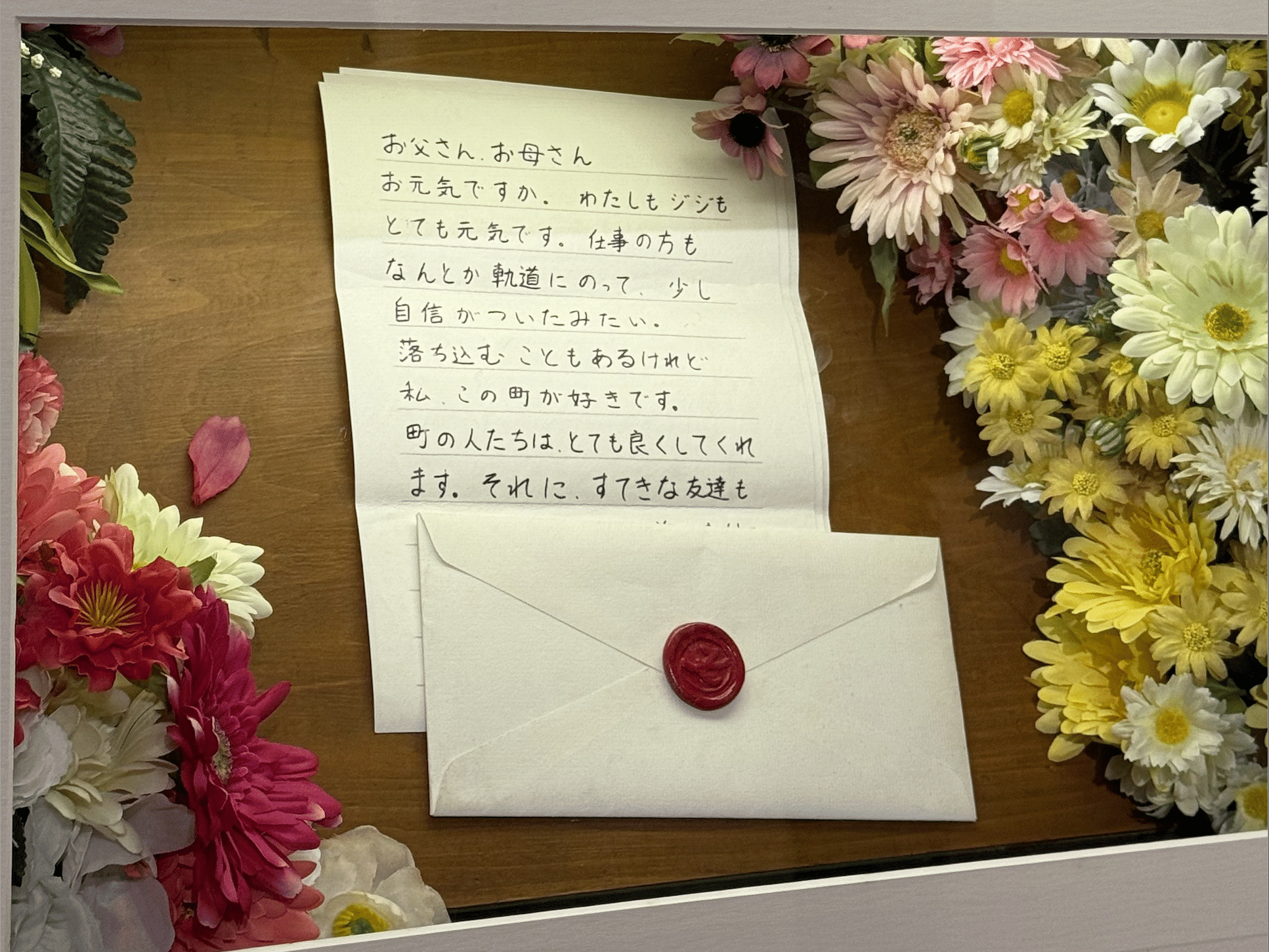
Aside from character-focused sculptures, you’ll also get smaller snippets of quiet moments from their films. Such small-scale replicas are often placed behind glass displays lining the walls. Take, for example, Kiki’s heartfelt letter to her parents, intimately arranged with blooming flowers framing the scene.
Come Back for Seconds
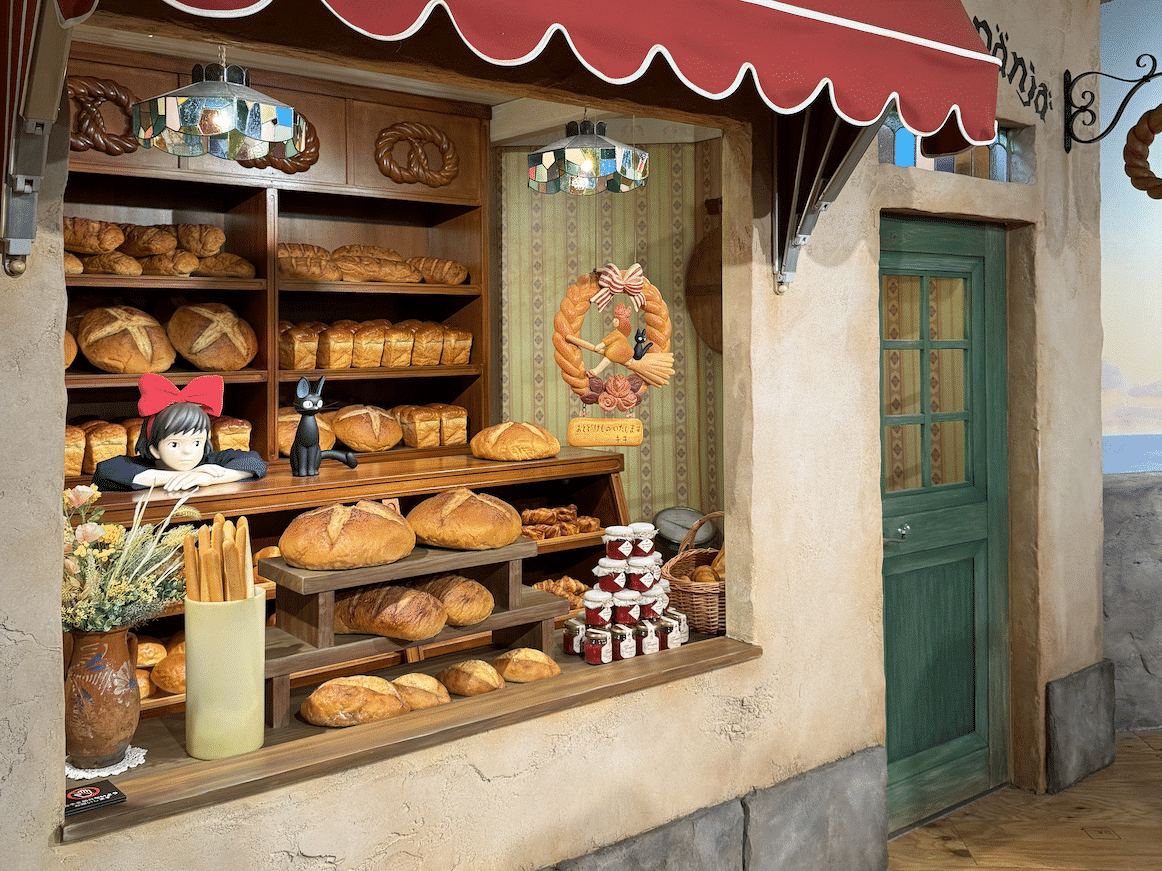
Moving onto the second part of the exhibition, there are also certain areas where you’ll find fans lining up, eager to take photos side-by-side with their favorite characters. These are immersive recreations of iconic scenes from Ghibli films, including Kiki’s cozy bakeshop, Spirited Away‘s famous train scene, and more. Unlike the previous zones, this one is unique in that you are actually able to touch and interact with the sculptures.
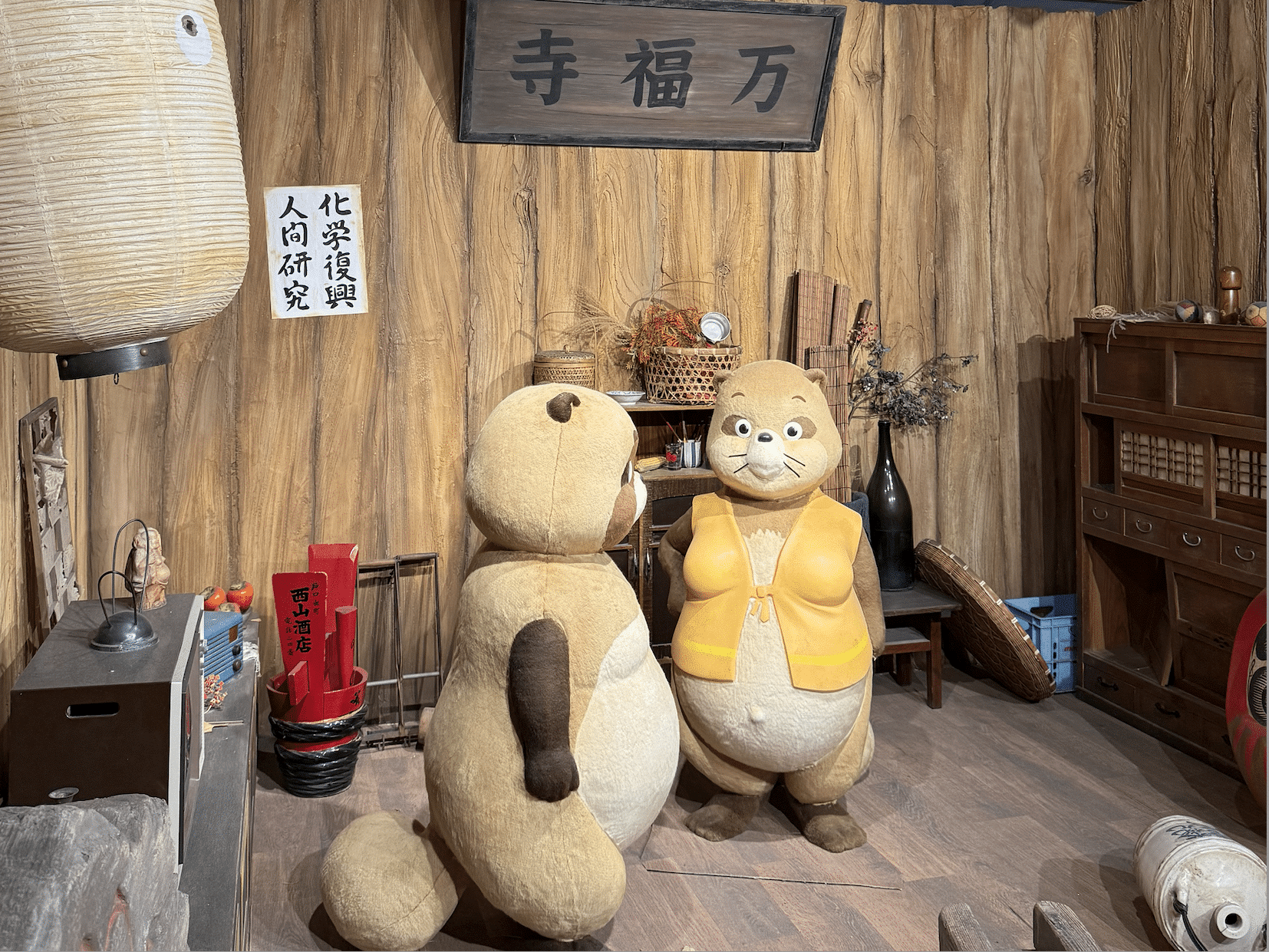
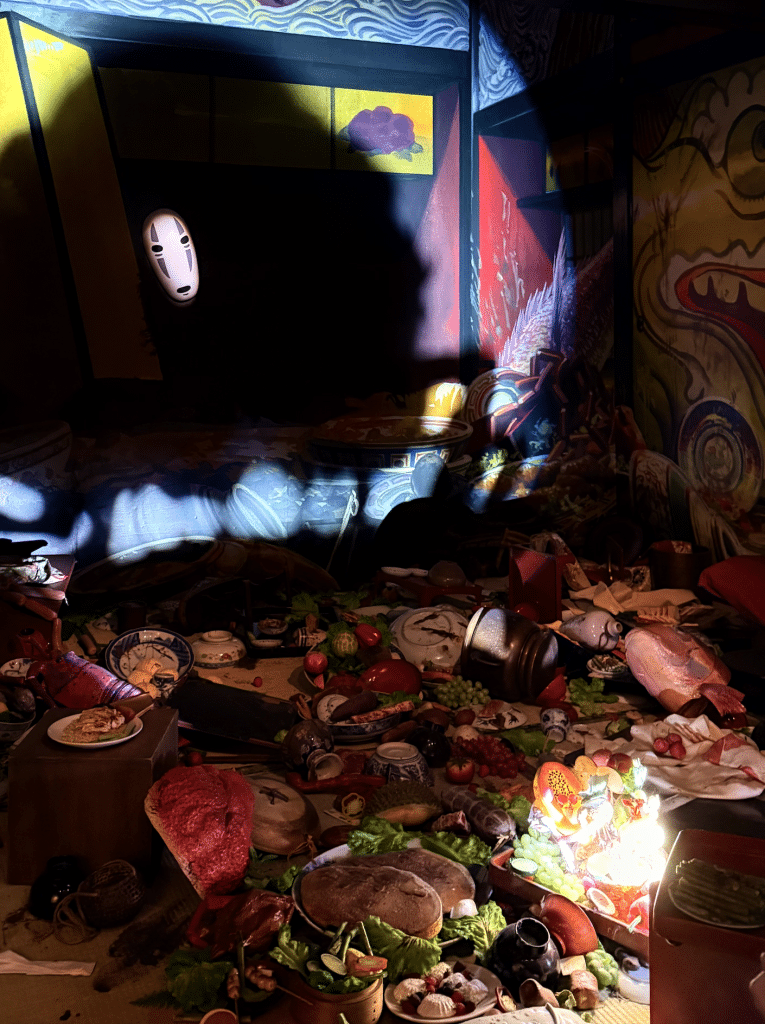
Next up, you’ll be greeted with wonderfully intricate sculptures of massive structures and dramatic scenes. This section arguably contained some of the most immersive and visually impactful sculptures from the exhibition. From the moving reconstruction of Howl’s castle to the cleverly arranged shadows that mark No Face’s entry, each piece carries an individual flair that pulls you in.
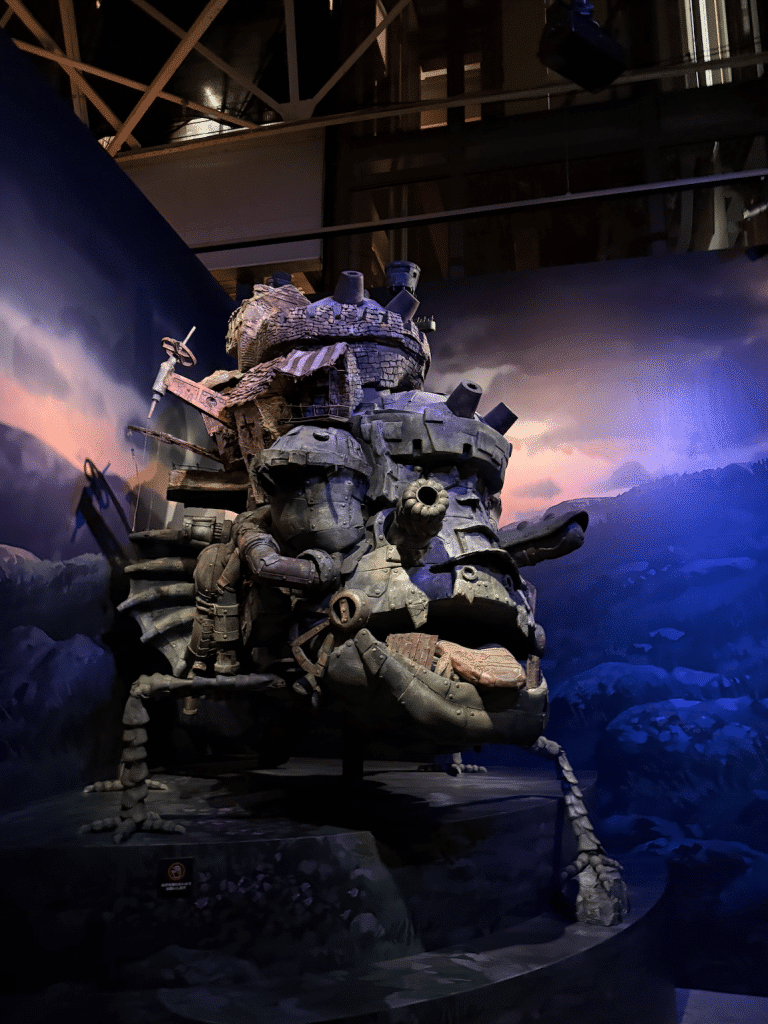
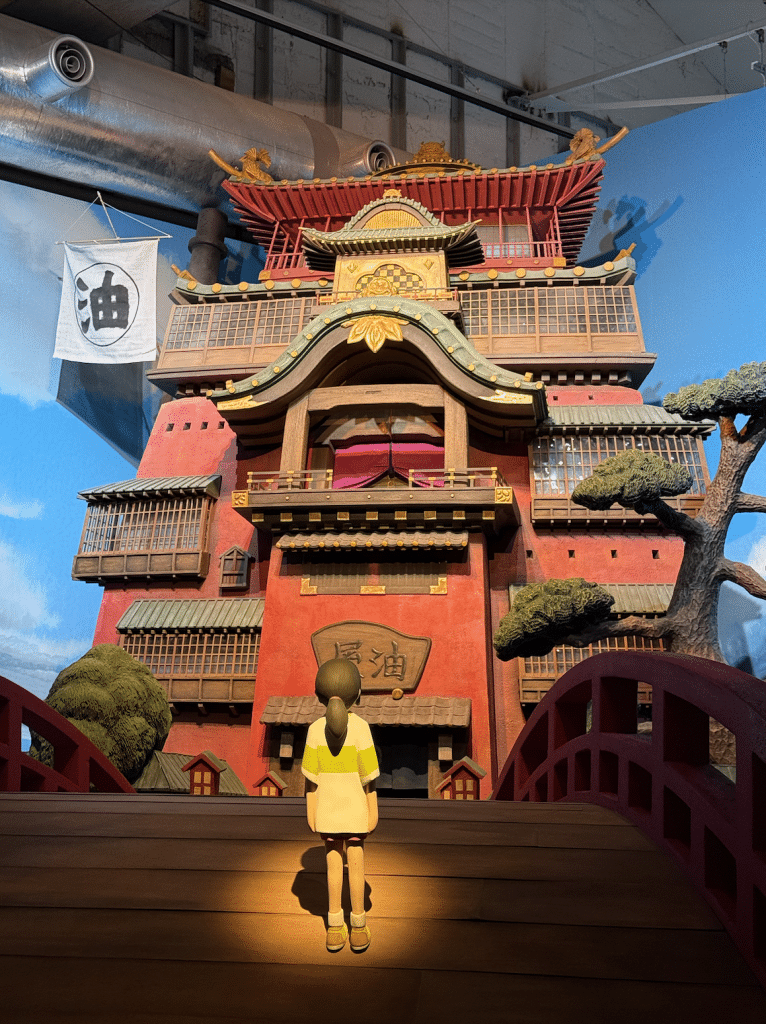
(Image: Nea Le)
Ending Notes
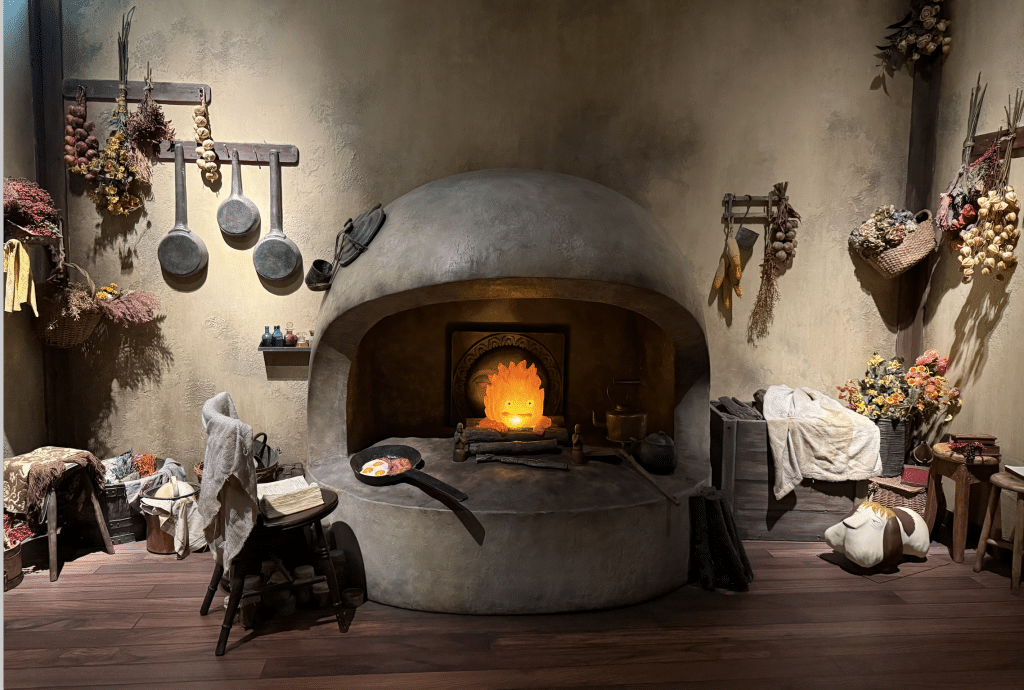
Towards the end, you’ll also find an intimate recreation of Howl’s kitchen, a pleasant surprise from the prior splendor. We finish our queue for pictures, admiring the attention to detail—from the condiment bottles to the flung-over pieces of cloth—that really gives the scene the feeling of a real home.
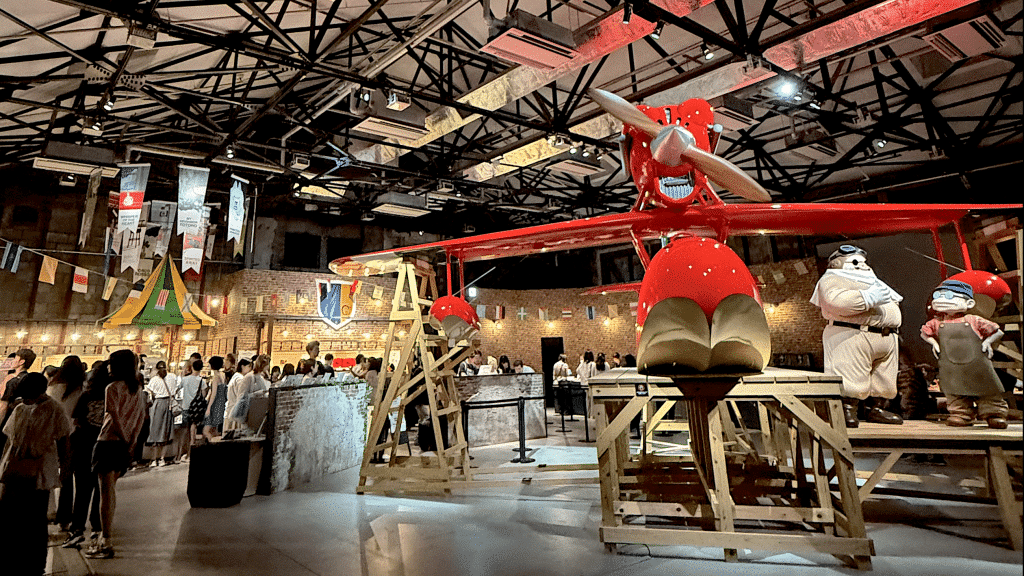
The tour ends with a bang as we approach an arch entryway leading into Piccolo S.P.A. The star of the show is a giant sculpture of Porco Rosso’s Savoia S-21, situated on a platform next to the merchandise shop. Of course, we take our time picking out keychains, art books, and plushies before bidding goodbye to the exhibition. Although the entire tour only took us one to two hours, we find ourselves leaving with fond memories and a sense of childlike wonder.
Ghibli’s Mark on the World
Growth and Hiccups
Nowadays, it’s hard to imagine the world of animation without the unique touch of Studio Ghibli. But let’s take a step back and examine the studio’s long history of development—the second focus of the exhibit.
Our chronology starts with the release of Miyazaki, Takahata, and Suzuki’s first feature film, Nausicaä of the Valley of the Wind (1984), under Tokuma Shoten, a Tokyo-based publisher. Following the film’s success, the trio moved on to release Laputa: Castle in the Sky (1986) under the name we’ve grown to know and love—Studio Ghibli.
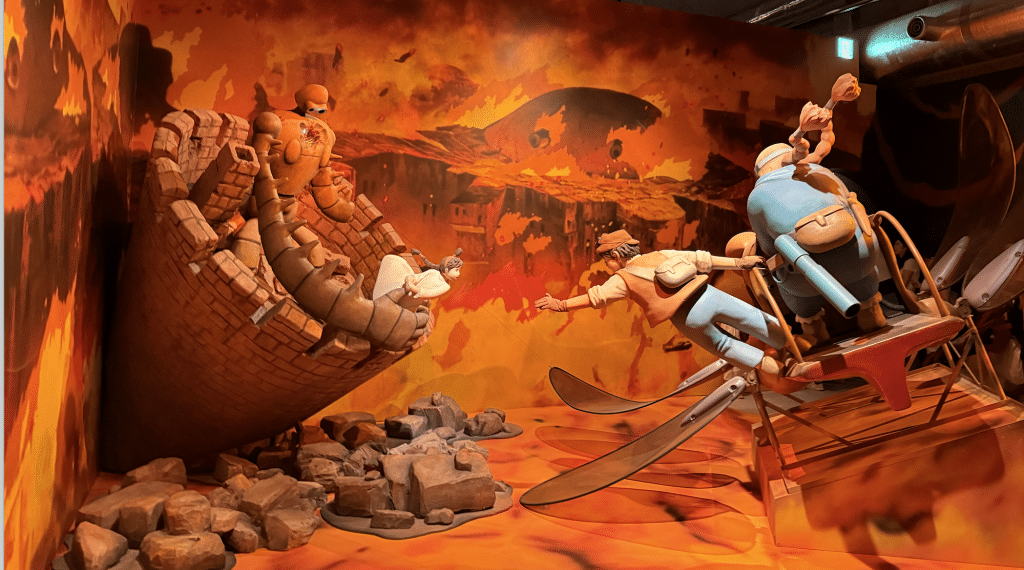
Although Studio Ghibli wasn’t too focused on expanding internationally, its overseas debut came quite early. Shortly after its release, a heavily edited version of Nausicaä of the Valley of the Wind was screened in the US under the name Warriors of the Wind. With major changes to character names and the narrative, the end product horrified Miyazaki and the studio. What resulted was a box-office failure, prompting Ghibli to tighten policies on future foreign partner-ups.
Building a Brand Name
The studio has certainly come a long way since then. With Totoro as their now-iconic mascot, one would think My Neighbor Totoro (1988) was their first commercial success. But Ghibli’s first big hit was actually Kiki’s Delivery Service (1989), which dominated Japanese theaters. In 2003, Ghibli stepped onto the world stage, with Spirited Away (2001) becoming the first non-English film to win the Oscar for Best Animated Feature Film. And the rest, as they say, is history.
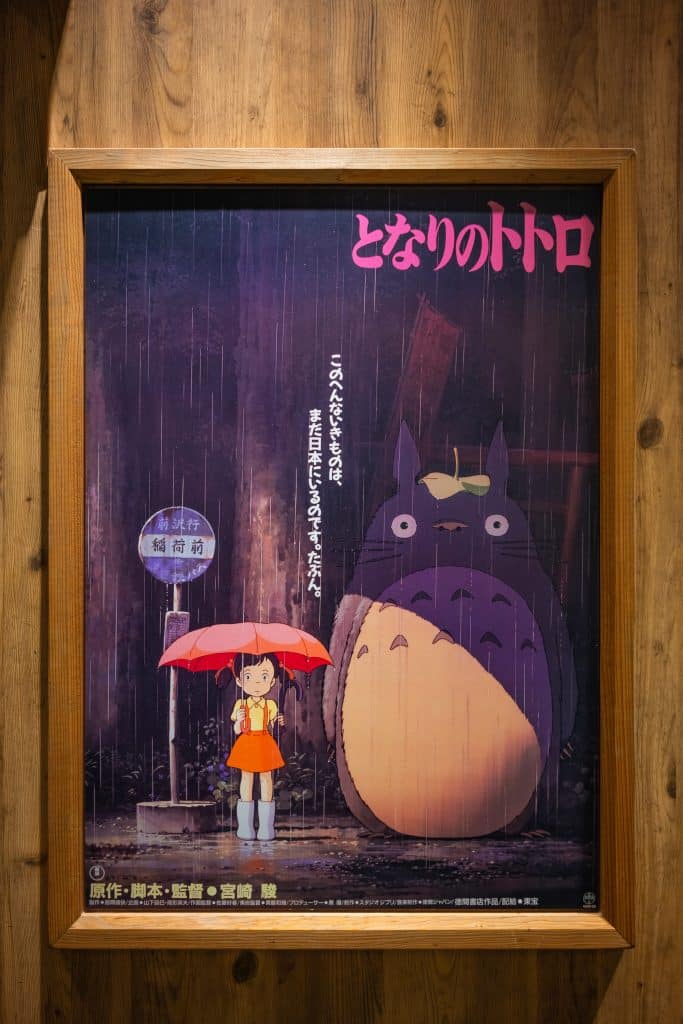
Outside of Japan and the US, Ghibli films have been distributed to over 190 countries. Movie posters in different languages across Asia, Europe, Africa, and Latin America accompany our walk down the exhibition’s halls, highlighting the sheer scope of the animation studio’s influence. To many, Ghibli films carry hopeful messages that transcend languages and cultural differences, inspiring children and adults alike to rediscover the simple joys of life.
Thus, from its humble beginnings, Ghibli has truly grown into a global powerhouse of creativity and artistic excellence.
Visitors’ Transformative Experience
Ending this journey, let’s take a moment to look at what others have to say about their experience. Ghibli fans were ecstatic about getting the chance to attend the exhibition after more than a decade of downtime.
Just last year, Studio Ghibli received an honorary Palme d’Or at the Cannes Film Festival and a second Academy Award for Best Animated Feature with The Boy and the Heron (2023), marking Miyazaki and the studio’s triumphant return after a 10-year hiatus. With the film revitalizing interest in Studio Ghibli, the exhibition acts as a thrilling throwback to Ghibli’s past. More than that, its return also sparks excitement for things to come.
The event has received similarly positive feedback from casual visitors, who praised the craft that went into its real-life reconstructions and were intrigued by the secondary focus on Ghibli’s history of globalization. Some people also remarked that the experience left them curious to check out what Ghibli movies have to offer, hence marking another achievement from the exhibition.
But don’t feel down if you didn’t have the time to put this one in your pocket list! Studio Ghibli is always putting out fresh new events, pop-ups, and content for Japanese and international fans alike. Grab a ticket for Studio Ghibli Fest 2025, a year-long theatrical screening event available right now across North America! Or, if you have the chance, visit the Ghibli Museum or Ghibli Park in Japan for a similar 3D experience.
On that note, let’s wrap up this memorable summer and, as always, make space for the exhilarating events of fall.