

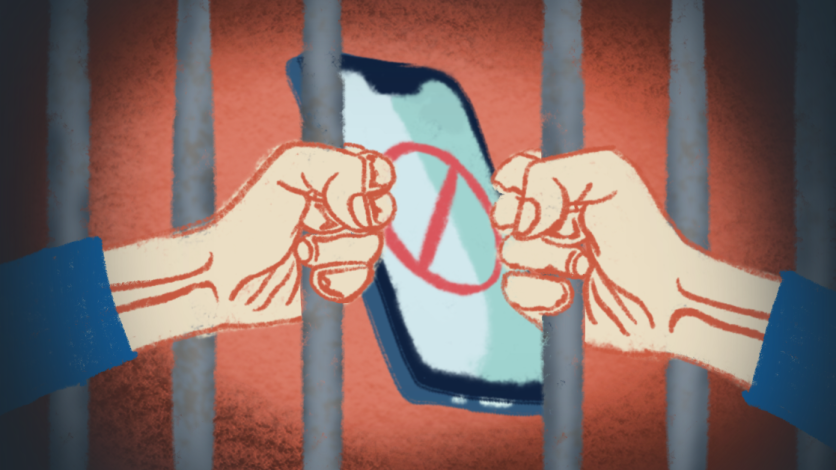
I use my phone for everything, and I do mean everything: working, relaxing, reading–the list goes on. So, I went without it for a week; here’s how it went.
The Rationale
One day, I was lamenting how much more interesting, talkative, vibrant, and imaginative I was as a child, especially before smartphones became mainstream. I remember watching raindrops race down car windows, spending hours talking with friends, or creating cities out of paper. Now, when I’m in the car, I just scroll. I’m a bit of a mute in social settings. And the last thing I built was my unfortunate PC, Big Chungus.
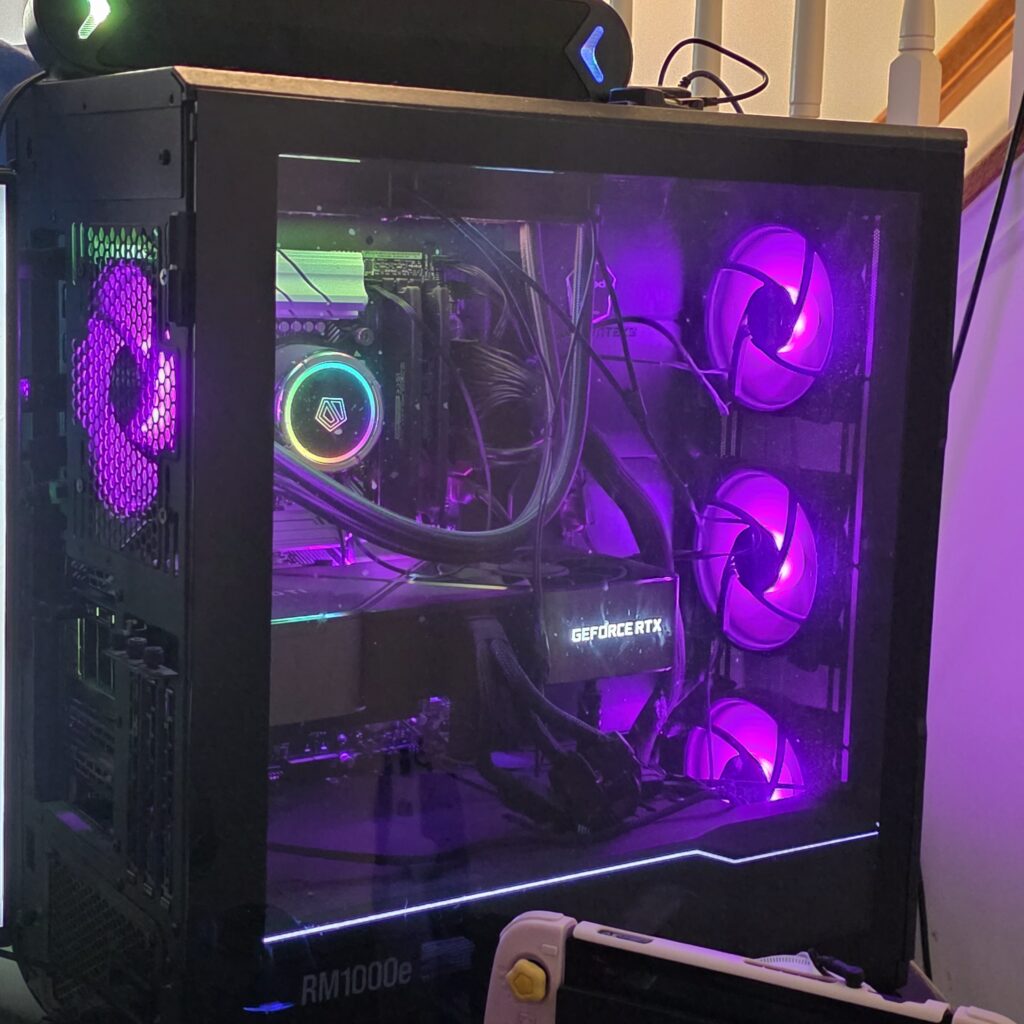
Long story short, I’ve become boring. I rely on algorithms and flashy graphics to keep me entertained, and it’s starting to feel like a problem. One example of this is evident. As I write my outline for this article on my phone, I find myself switching tabs every 30 seconds. Every task is met with a distraction, and I hardly even realize it.
Despite the limitless nature of my darling smartphone and how convenient it makes life, I’m finding that convenience comes at a price: my mind. In the spirit of childhood creativity, forging stronger connections with loved ones, and freeing myself from the winding, tightening cords and cables of the future, I gave up my phone for an entire week.
Preparation
One thing I had to consider when preparing for my no-phone adventure was the multi-tool I’d be losing. Currently, my phone serves as a phone (duh), alarm clock, web browser, instant messenger, notebook, planner, flashlight, TV, gaming console, camera, search engine, calculator, e-reader, audiobook player, work station, fidget toy, and makeup mirror, just to name a few. To start, I had to replace the essentials. My computer would serve many of these purposes, but there were a few other things I needed to replace.
I love reading, but most of my books are digital. My Kindle, unfortunately, is in the same shadow dimension as my left Starry Night sock. Luckily for me, a kind soul has created a very bare-bones epub reader for the DS/3DS consoles. It took a while and a few choice words at the retro console gods, but I managed to get the best of my collection loaded onto dslibris.
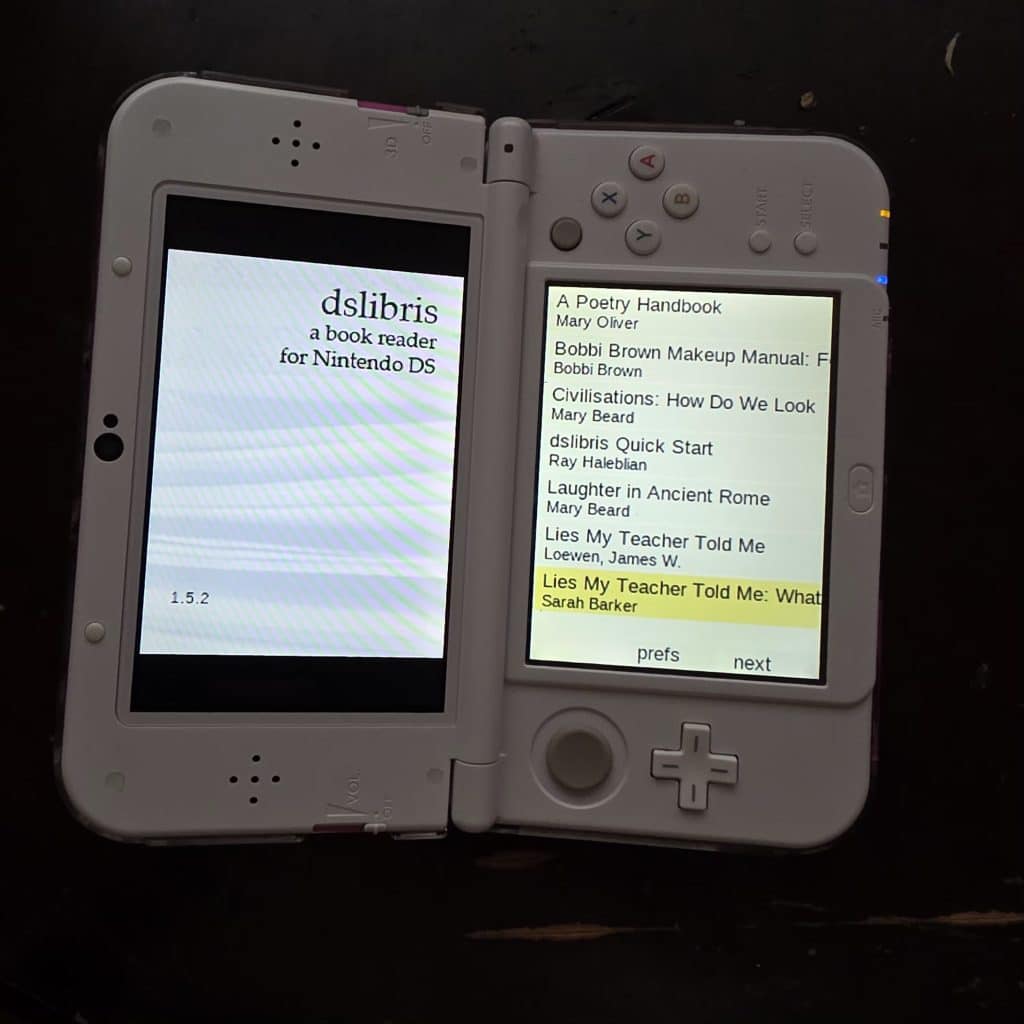
Through similar open-source homebrew software, FourthTube, I managed to gain access to YouTube for public domain audiobooks. As for regular audiobooks, I figured my PC and regular Bluetooth headphones would work fine.
As a writer, I’m constantly jotting things down, and my phone is what I use to do that. For a replacement—and to record my thoughts during this experiment—I bought a really cool 3-pack of waterproof notebooks and grabbed an erasable pen from my collection. Problem solved!

The last essential I knew I couldn’t live without was a flashlight. Between midnight trips to the bathroom or kitchen and my glasses wandering off on adventures under my bed, I knew I’d need a little light. So, I bought this fun 3-pack to serve that purpose. (Why does everything on Amazon come in threes?)
To my surprise, I actually had to spend very little to replace my phone. Arguably, I didn’t need to spend a dime if I were willing to get more creative. Multi-tools stemmed from the tools many of us already have access to, like pens, paper, clocks, and flashlights.
What I Did
I had some grandiose ideas for the week, but I spent about 50% of it reading. I read a lot as a kid before I ever had a smartphone, so this wasn’t too surprising. As for what I chose to read, I found myself engrossed in four separate books. My favorite (and the only one I read cover to cover) is Mary Beard’s Laughter in Ancient Rome.
One of my favorite parts of that week, besides reading, was spending time with loved ones without distractions. I watched football with my fiancée, made treats for some special furry friends, got ice cream with my mom, and had some really interesting conversations about phone usage with my immediate family. I started finding mundane tasks, such as visiting the doctor, cooking dinner, and running errands, were a lot more exciting. More than ever, life felt real. Like how I think it’s supposed to: enriching, community-building, and full.

Another really nice aspect of the week was getting in touch with my creative side again. While I didn’t get into anything too groundbreaking, I diamond-painted a wooden coaster, created a concept for a short story, and tried out an art lesson courtesy of my 3DS.
Throughout the week, to my surprise, I (relatively) easily and happily managed to exist without an algorithm or second screen. I realized it was still possible, and not super challenging, to connect with the people (and pets!) I love most.
Symptoms(?)
Before starting, I expected some symptoms from a possible withdrawal-like experience, and I did feel symptoms. (Whether they had to do with the lack of phone or not is unclear, but more on that later.) Headaches and extreme fatigue were the most pervasive and limiting symptoms, so I didn’t do as much as I planned.
The headaches felt similar to migraines, but they had an added bonus feature of red flashing lights when I closed my eyes. As a chronically ill person, headaches are nothing new, but the red alert patch update certainly was. Needless to say, this freaked me out a little. But I simply recorded the occurrence in my notepad and took a bit more medicine than usual.
The fatigue, sadly, was not as easy to manage. It appeared to come in waves throughout the day and seemed strongest when I engaged in a screen-free activity. Rather than fight it, I decided to allow myself extra naps throughout the week. I was curious, though, as to why this was occurring and let my imagination run wild with unlikely hypotheses. Maybe I just need blue light to stay awake?
What I Felt
The whole week had a calm, easygoing vibe to it overall, but there were times when I missed my phone. To my surprise, the longer I went without my phone through the week, the harder it got to stay away. Cravings seemed to get worse at night, when no one else was awake. When I missed my phone, my strategy was to immediately find a replacement activity, like reading or crafting.
By far, the two things I missed the most were scrolling Reddit and playing phone games. I love video games and have since I can remember. For this experiment, though, I wanted to limit gaming in general, and I certainly couldn’t use my phone. One surprising substitute for these when I was too tired for anything (and a favorite childhood pastime) was daydreaming. It turns out you can go anywhere and do anything in your mind. And I took advantage of that when things got really dire.
As the week progressed, although the cravings grew stronger, I found myself getting more out of the replacement activities than I did from my phone. Even just closing my eyes and thinking about life or ideas helped me forget about those cravings. Oddly enough, and perhaps due to my prep work, there was never a time when I felt truly bored. The normal feelings of boredom and panic nearly disappeared, and I really enjoyed myself despite the odd side effects.
There were both benefits and drawbacks to completing this experiment. Positives included clearer working memory in the short and long term, higher levels of creative problem-solving and imagination, decreased ADHD symptoms, and an increase in focus and productivity. As for the negatives, I struggled with short bursts of anxiety, trouble staying awake, withdrawal-like symptoms, and feeling cut off from modern digital spaces. Overall, I’d say the positives outweigh the negatives, but I also realized that my phone can and often does serve as a valuable tool.
The Aftermath
Okay, so I may or may not have had a Carrie Nation-esque crashout about phones being the devil once I had mine back for more than a day. Since I had surprisingly avoided panicking all week, this reaction shocked me.
Sadly, in the week that followed my phone cleanse, my screen time usage was even higher. I averaged from 9.5 to 10.5 hours daily, which is definitely not an improvement. With the many questions from that week buzzing around my head, I knew I had to find an expert to sort this out. So, I found three!
So, Is It Phone Addiction?
Whether or not to use the word “addiction” is a point of contention among my experts. Dr. Nicole Prause, a neuroscientist who researches human sexuality and addiction, refers to maladaptive phone usage as compulsive, which she defines as “engaging in a behavior to reduce negative feelings, such as by distraction.”
“There is no diagnosis of ‘phone addiction’ and it is not accepted in science as an addiction,” claims Prause.
On the other hand, Dr. Sanjai Thankachen, the mental health director and psychiatrist at New Leaf Detox, uses the word addiction but doesn’t see the phone itself as addictive. Rather, “[i]t’s the content and the interactions that the phone has that cause the addiction cycle of instant gratification.”
Was It Withdrawal?
Two of the three experts I interviewed aren’t necessarily convinced that the symptoms I had were due to phone withdrawal.
“It’s very unlikely that your exhaustion and headaches were from a withdrawal from smartphone overstimulation. But I have seen anxiety worsen as people are left with more calm or stillness,” claims Dr. Daniel Hochman, a psychiatrist based in Austin, TX and the creator of Self Recovery.
“Issues like ‘withdrawal’ and ‘progression’ with phone use are often reported by individuals, but fail to hold up in scientific studies,” adds Dr. Prause.
On the other hand, Dr. Thankachen believes my symptoms “could be related to withdrawal.”
“The absence of feedback that the brain has been conditioned to from constant stimulation and dopamine hits, through the phone, is experienced as an unsettling void,” he claims.
For full disclosure, my reading wasn’t exactly light. And to boot, putting energy into finding something to do rather than sitting and scrolling probably took a toll. There’s also the chronic illness factor to consider. As for exactly why I experienced what I did, we’ll likely never know for sure.
Why Did I Panic?
Before I started smashing phones with my metaphorical hatchet, I wanted to see what caused my rush of anxiety. Both Dr. Prause and Dr. Thankachen had vastly different ideas about what went wrong.
Dr. Prause believes I may have been influenced by the numerous articles and videos denouncing smartphones that we’ve likely all seen before.
“The extreme emotional reaction really makes sense in the context of some of the extreme claims we see online, that your brain is being permanently damaged. Science does not support such extreme claims, but they can be terrifying,” she explained.
Conversely, Dr. Thankachen saw my response as caused partially by the cognitive dissonance of not wanting but needing a phone and the surrounding emotions.
“Your time away from the phone may have illuminated the ways in which the device has been a detriment psychologically,” he adds.
In a way, both are true. It’s hard not to think of smartphones as wholly evil with all the alarming talk surrounding them. So a lot of emotions about my maladaptive phone behavior did surface within me as I caught myself scrolling and gaming more than thinking.
Advice From the Experts
No expert advice involved temperance or hatchets, but they did have other constructive tips.
“Technology should be our tool, not our master. By consciously choosing when and how to engage with your phone, you shift from being controlled to being in control,” said Dr. Hochman.
Asking questions during the process, such as “Am I using this device intentionally, or am I escaping?” while using your phone, is a step to mindful and healthy device use.
Dr. Thankachen, meanwhile, recommends using app timers, having “digital detox” days, and replacing phone use with more meaningful activities, such as reading, meeting friends in person, or exercising.
On top of coming back to old hobbies, I’ve already set up app timers that limit my social media usage to 2 hours a day. I also discovered “work mode” on my Samsung Galaxy S25 Ultra, which has really helped me while writing this article. It’s a magical setting that poofs away your distraction apps and leaves you with exactly what you need to get your work done. (Don’t worry, iPhone users! There’s something similar for you!)
Dr. Prause in particular warned me about abstinence going forward, claiming it “is about the worst way to change behavior” except in cases where the behavior is potentially deadly. Instead, she recommended Acceptance and Commitment Therapy (ACT).
“ACT might investigate your values about phone use, why it concerns you, what things you value that it is reducing your engagement in, and then work towards living a valued life. That may not involve any reduction in phone use. ACT is just identifying your values to get them aligned with your behaviors moving forward.”
What I Learned
As it turns out, phones aren’t the sole cause of all my problems. They also didn’t steal my creativity or childlike wonder entirely. I found myself reading, crafting, cooking, and spending quality time with my family easily. I just had to pull my face out of the screen. Being interesting involves a somewhat conscious effort, but putting down my phone made it much easier to connect with the things and people I truly enjoy.
I also learned to temper my expectations when it comes to rediscovering myself sans smartphone. Rome wasn’t built in a day, and it’ll take time to break free from the scroll cycle. So, rather than turn every smart device I see into sashimi, I’ll just grab a book, some clay, or a person I love and be infinitely less boring.













Judy
October 18, 2025 at 6:33 am
Such an insightful article. Helped me realize that the phone needs to be put away at times to be be fully present for the people I love.