Chick lit has long been a divisive term in the literary world. From Middlemarch to Bridget Jones’s Diary, literature written by and centered on women frequently faces criticism. But why are stories about women’s lives so often dismissed as frivolous or less serious? This article unpacks the origins of the “chick lit” label, what it really represents, and why it’s time we rethink the biases that continue to undermine women’s fiction.
I became acutely aware of the negative reputation that chick lit carried a few summers ago. That summer, my best friend and I had decided to read Middlemarch (yes, the 800-page Victorian novel) by George Elliot together. So, of course, we brought our matching books along with us for the trip as a light beach read.
One day, a male English-major friend walked in, clocked the book on the table, and smirked:
“Is this yours? Figures. You’re always reading that Victorian chick lit.”
I was shocked to hear Middlemarch, a seminal work of classic literature, dismissed as chick lit. This moment reinforced the ongoing struggle for female-centered fiction to be taken seriously, whether it be a contemporary romance or a 19th-century novel.
So what is chick lit?
Chick lit is not an official literary genre. It is, rather, a label that is loosely applied to describe contemporary fiction written primarily by and for women. According to the Oxford Languages dictionary, chick lit is defined as: “literature that appeals mainly to women,” and, notably, the phrase is flagged as both informal and derogatory.
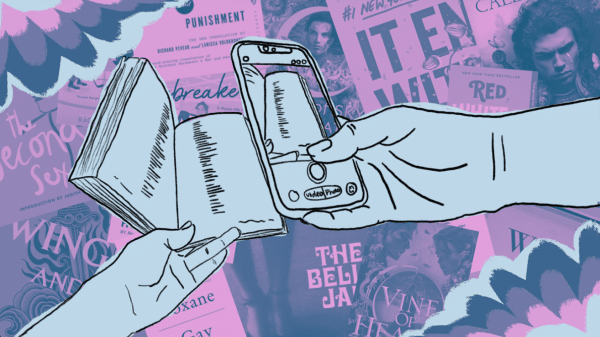
In common usage, the term evokes images of brightly-colored book covers, light-hearted romantic plots, and audacious heroines who fumble their way through love and life. These stories also build toward a conclusion that wraps up in a satisfying, if predictable, happy ending for the protagonist.

More specifically, chick lit is a sub-genre of popular fiction that rose to fame in the 1990s and early 2000s. Its books mirrored and in some cases arguably inspired the rise of the so-called “chick flick,” the film equivalent of chick lit. Books like Bridget Jones’s Diary, The Devil Wears Prada, Confessions of a Shopaholic, and Sex and the City are core examples; these stories follow single women in their twenties or thirties, usually living in big cities like London or New York. The characters deal with careers, friendships, dating, body image, and personal growth. The tone is witty and humorous, with a touch of self-deprecation.


These texts, alongside their film counterparts, formed a distinct style that spoke to a generation of young women. They could relate to protagonists grappling with the contradictions of contemporary feminine life: ambition versus romance, independence versus intimacy, and self-empowerment in a world still laced with patriarchal expectations.
Chick lit’s lineage
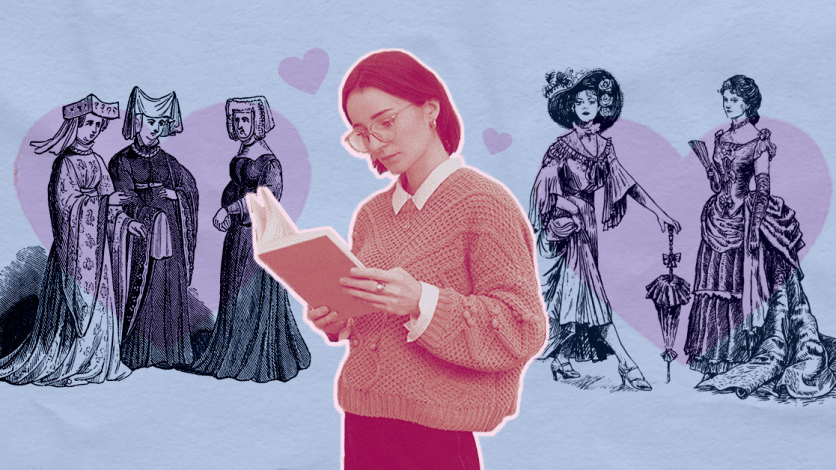
“Chick lit” as we know it appeared in the late 20th century, but many trace its roots back to the 19th century. Long before rom-coms and modern women’s fiction, authors like Jane Austen, George Eliot, Elizabeth Gaskell, and Louisa May Alcott wrote stories focused on women’s inner lives. Through this new genre, they explored female emotions, social roles, and moral choices.
Today, we regard many of their works as literary classics, but they’ve also faced enduring criticism and have been dismissed as sentimental because of their subject matter. That double standard has never truly disappeared. Even in Eliot’s time, the debate over what counted as “serious” literature was fraught, and it was not limited to a male-versus-female debate. Women participated in such debates, too, and they could be their own harshest critics.
George Eliot herself sharply critiqued her fellow “lady novelists,” famously writing:
“Silly Novels by Lady Novelists are a genus with many species, determined by the particular quality of silliness that predominates in them—the frothy, the prosy, the pious, or the pedantic… but it is a mixture of all these… that produces the largest class of such novels, which we shall distinguish as the mind-and-millinery species.”
George Eliot in her essay “Silly Novels by Lady Novelists.”
Eliot’s disdain for the over-idealized female heroine is understandable but, ironically, today’s chick lit protagonists reject exactly that mold. They are messy, flawed, self-aware, and, crucially, relatable. One could argue that Eliot might have had more sympathy for today’s “perfectly imperfect” heroines, who stumble through life with a kind of honesty absent in the novels she once scorned.
Elitism and literary merit
Debates over the cultural benefits and harm of elitism vs populism and what constitutes “real literature” have long divided the literary community, and the arts world at that. Today, readers are quick to dismiss chick lit as silly, with fans of “real” literature like Dostoevsky or Hemingway or Proust scoffing at the prospect; but who gets to decide which works deserve the title of “real” literature? And why do readers deem female-centered stories to be unimportant simply because they center the lives and issues of women?
Part of the problem lies in how we define literary value. It is assumed that stories centering war, politics, or existential crises are “universal,” while those that focus on emotions, domestic life, and relationships are niche, lightweight, or “just for women.”
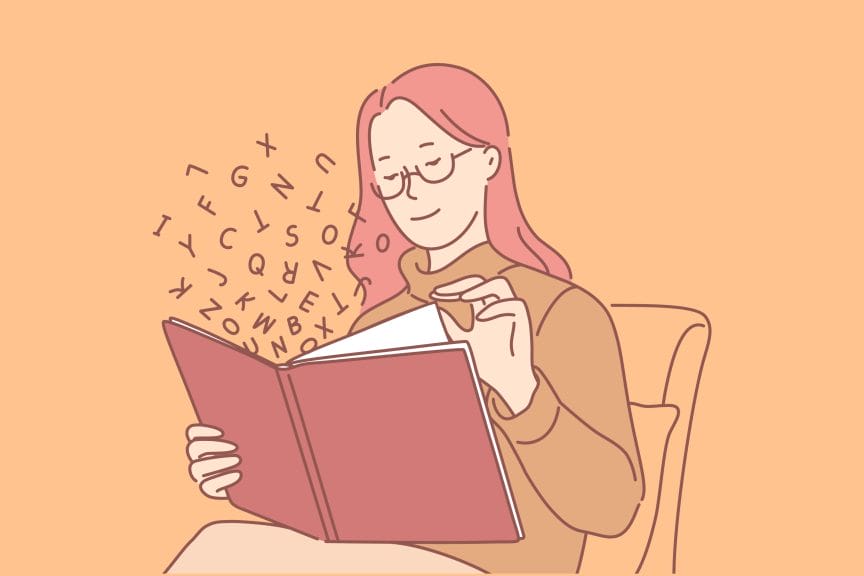
Of course, I am not here to genuinely argue that Confessions of a Shopaholic deserves the same level of literary merit as Crime and Punishment. However, I implore readers to consider why someone like Dostoevsky is rarely critiqued for his work (which includes love stories such as White Nights), while authors like Eliot remain underappreciated, despite the fact that her stories are also deeply philosophical.
The problem with the label
Much like Eliot’s critique of “Lady Novelists,” certain critics, particularly those who are female, argue that equating chick lit with the female experience degrades women. They point out that these stories largely feature silly female characters who obsess over appearances, shopping, and finding romantic partners—thereby reinforcing stereotypes instead of challenging them.
Other critics claim that the stories themselves aren’t necessarily the problem, but the label is. They allege that the term “chick lit” is inherently misogynistic, because stories centered on romance and women’s interior lives shouldn’t be marketed exclusively to women. Furthermore, they believe that the word “chick” undermines the literary merit and talent of female authors. Critics—predominantly men—who belittle these stories tend to lump them into the genre without recognizing their value.
Why chick lit matters
The most common case against chick lit is that it neglects “serious subjects” in favor of “silly” things like romance, family relationships, body image, friendship dramas, navigating new cities or work environments, etc.—relatively mundane, everyday situations tied to the female experience. However, as a young woman currently in my 20s, I’d argue that these subjects are, in fact, hugely important, because women can relate to them. We deserve to see ourselves, and our issues, represented in the media.
Sure, chick lit is typically silly and lighter in nature than, say, Proust, but that doesn’t mean that it lacks value, especially if thousands of women find it enjoyable to read. Stories that foreground women, emotions, relationships, and daily struggles are not inherently meaningless due to their flippant tone. I implore readers to reconsider the connotations attached to titles like “Chick Lit” and to challenge the notion that stories about women’s daily lives are any less serious than those about men’s daily lives.