The first “historical novel” was written in the 19th century by Sir Walter Scott. I came across this novel through an interesting research seminar that focused on Scott’s works. As a self-proclaimed lover of historical fiction, I had no idea that the genre marked a return to the Anglo-Saxon times. A time with constant conflicts between Normans and Saxons. Historical fiction is described as being set at least 50 years in the past. You, the reader, are placed in a completely new time period. Scott does this masterfully in his novel Ivanhoe.
Despite being the first author to officially bring historical fiction to the world, Scott was not my introduction to the genre. And I don’t want him to be yours, either. While I believe that his novels are a great foundation for the genre, they are more valuable once you have already had a taste of it. Scott can drag on and on, and his works may seem too distant to start with. Instead, I was introduced to historical fiction through Yaa Gyasi and her debut novel Homegoing. With its heartbreaking and enrapturing story, the book is still one of my favorites.
What the criticism says and why you should care
Yet there is valid criticism of the genre. In an article titled “Against Historical Fiction,” Toby Litt argues that historical fiction is dependent on a pair of bad faiths–both from the reader and the author. Litt explains how historical fiction melds fact and fiction, creating an oxymoron within its very name. While this can be true, I don’t think he gives us enough credit.
We are able to think critically and analyze as readers. We should be trusted to separate fictional characters and stories from real events. One way we can do this is by brushing up on our history facts. We can do this by reading nonfiction history books and paying close attention to what is happening in the world today.
3 novels that reflect our lives
Now, let’s dive into three novels that offer a great introduction into the genre. While set in the distant past, Homegoing by Yaa Gyasi, Brotherless Night by V. V. Ganeshananthan, and Pachinko by Min Jin Lee grapple with problems that still exist today.
Connection to today
Recently, President Trump called for the Smithsonian to review its content. In an X post, Trump exclaimed that the Smithsonian is “OUT OF CONTROL, where everything discussed is how horrible our country is, how bad slavery was, and how unaccomplished the downtrodden have been.” He proceeded to complain about how our “brightness” is overlooked. This is nowhere near the truth, as history books traditionally paint America as the global victor. Our domination over other cultures is frequently cited as an act of salvation.
Reading historical fiction allows us to connect to a different past–one that is not written by the “victors” and is instead rendered through the lens of marginalized characters who have survived traumatic events. This fosters empathy in a way that may not have otherwise been possible. Someone reading facts out of a history book may not connect to the text on an emotional level, but feeling reflected in a story creates a completely different experience.
Why you should care
If you are reading a historical fiction book you love, you will start to care about how it reflects in your life today. You will not want to repeat the past mistakes your favorite characters had to live through. You may start to finally feel how tragic these stories really are.

Reading historical fiction is important because it brings the past back to life, allowing readers to finally feel its events. In doing so, it can bring to light a conversation about how to move forward while keeping these stories alive so we can learn from them.
Homegoing, Yaa Gyasi
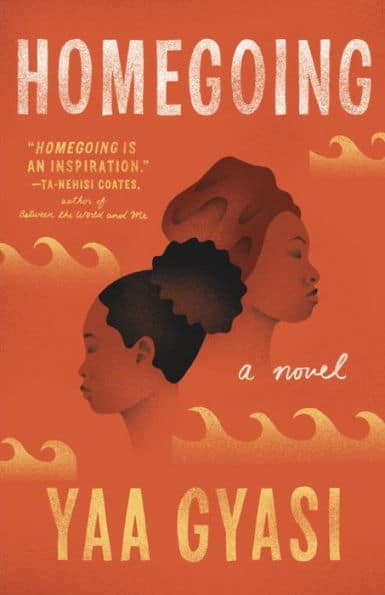
Homegoing chronicles over 3 centuries of a family of two half-sisters who are split apart. Starting in Ghana and ending in the United States, Gyasi tells the story of Effia and Esi. One is sold into slavery; the other is married to a white man. The narrative changes characters in each chapter as you learn how two very different fates affect a parallel lineage. Yaa Gyasi’s first novel is a feat in emotional beauty and raw heartbreak. As her characters are shaped by historical events that they cannot control, we learn how the past always lingers.
If you are interested in understanding the history of slavery, try and connect more deeply with the text. Consider what it may have felt like to live in the constant terror of violence and heartbreak. Gyasi’s story speaks to a legacy that lives on today, as the Trump administration attempt to erase the severe impact of slavery upon our nation.
Imagining what slavery felt like for the people and families involved is unquestionably difficult. Yet it is critical, because it sheds light on the dark past that underlies our political system. Reading Homegoing will not only fill your heart with sorrow; it will also fill it with hope, as the narrative strives to envision a brighter future.
Brotherless Night, V. V. Ganeshananthan
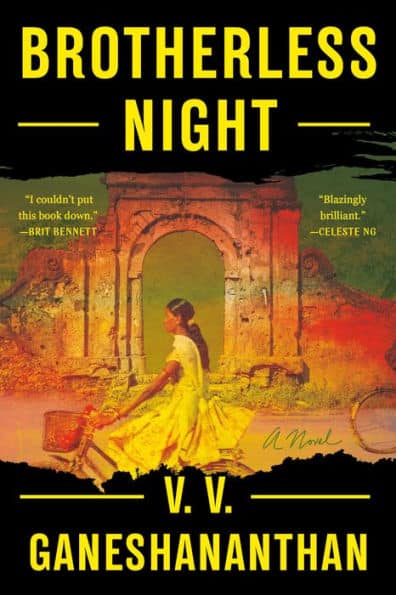
Brotherless Night by V. V. Ganeshananthan follows the story of Sashi during the civil war in Sri Lanka. She is part of the Tamil minority and wants to become a doctor. However, she is thrown off course by the carnage that the war wreaks upon her home and family. Initially set in Jaffna, in1981, the book unpacks how Sashi’s four beloved brothers and her dear friend K become swept up in the violence. This violence is often perpetrated by militant groups and governments trying to intervene. Ganeshananthan masterfully portrays the reality that war spares no one and nothing.
The enduring impact of the war sets the scene for many atrocities happening today. Our world is under attack, as evidenced by the Russia-Ukraine war and the genocide in Gaza. Your news feeds are most likely being swamped with the bombings and violence happening every second. Ignoring it is not only impossible but irresponsible.
Novels such as Brotherless Night offer more than just an interesting plot; they provide a lens into the geopolitical world that we live in. These stories don’t just unfold in a distant past; they reveal a constant cycle of violence and displacement.
Pachinko, Min Jin Lee
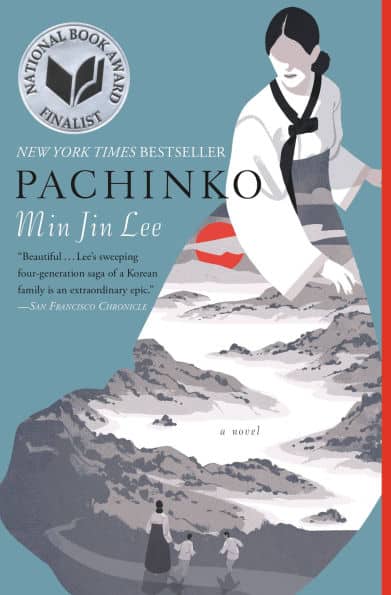
Pachinko’s historical account of a Korean family tracks Sunja’s journey after a wealthy stranger leaves her pregnant. Lee constructs a fast-paced, entertaining novel in which it truly feels like you are traveling with Sunja’s family and living their lives.
Immigration is a big political talking point today as ICE raids sweep across marginalized communities. The crackdown is fueling terror and fear that families will be torn apart simply because of their skin color.
Sunja’s family faces countless hardships, including anti-Korean discrimination, that align with the struggles of modern immigrants, as seen in the ICE raids. Thus, reading Pachinko grants you the ability to connect with a family fighting to to build a caring community despite blatant racism.
Why this genre may be the most important yet
Ultimately, historical fiction is my favorite genre to read because of its ability to blend fiction and reality. Despite the concerns surrounding the “bad-faith contract,” I believe that this genre is a valuable and enjoyable way to think critically, ingest history, and broaden perspectives.
In fact, opportunities abound as you read historical fiction; you can immerse yourself in new worlds and connect with characters completely different from you. You may find out that you are passionate about a certain historical issue or that you want to visit a place that resonated with you.
I hope you love these three novels just as much as I did–or even more!