

After returning to office, President Trump has implemented his plan for the next four years.
Although he disavowed Project 2025, his agenda, along with 140 of his administrators, aligns with the plan. Based on this Document, book bans will worsen.
You may be asking yourself, what even is Project 2025? Also known as “The Presidential Transition Project,” the manual maps out the reorganization of the federal government in 900 pages.
Now you might be thinking, what does a 900-page government manual have to do with books? Well…page 5 of Project 2025 classifies any LGBTQIA+ content, especially trans content, as pornography. Authorities can and will arrest any librarian or teacher who distributes literature on these topics.
Book banning is not a new concept. If anything, this will simply increase existing book bans on a nationwide scale. In the 2022-2023 school year, Florida Governor Ron DeSantis pushed for a statewide book ban. According to PEN America, 3,362 books were banned in the 2022-2023 school year, and nearly 1,500 of those were in Florida under DeSantis.
What Are Book Bans?
There’s no set definition for book banning. It depends on numerous factors. As a result, the general public may only get censored physical media.
While explaining book bans, PEN America has stated:
“A book ban occurs when an objection to the content of a specific book or type of book leads to that volume being withdrawn either fully or partially from availability, or when a blanket prohibition or absolute restriction is placed on a particular title within a school or a district.”
PEN America considers some banned books to be “challenged.” Not all challenged books are banned; some are under review. Despite this, access to them is restricted.

With this in mind, book banning expands further than just schools and libraries. Entire countries have banned books. For example, in Russia, there are bans on most, if not all, LGBTQIA+ books. America might follow suit.
1. 1984 by George Orwell
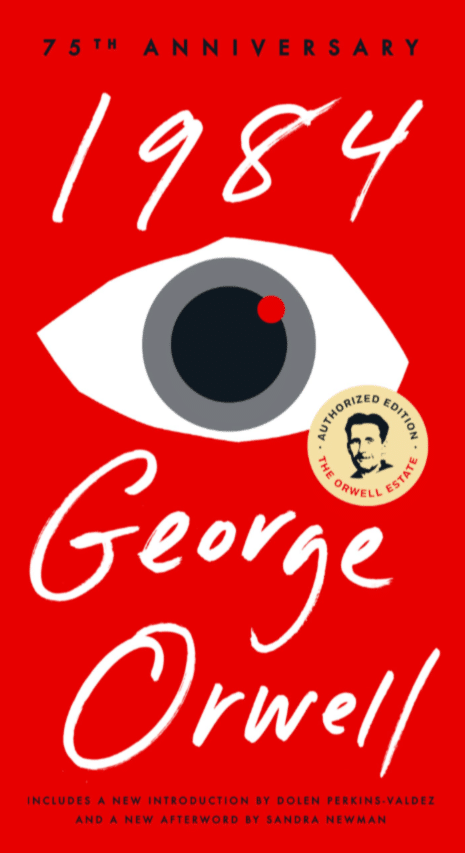
This book discusses totalitarianism, censorship, and nationalism. In the 80s, parents complained that it was “pro-communist”.
Written as a warning against totalitarianism, 1984 takes place in a dystopian society. It is set in 1984 Oceania, where the general population is brainwashed and controlled by Big Brother, a large corporation. The Thought Police control and monitor everyone’s thoughts.
2. Harry Potter by J.K. Rowling
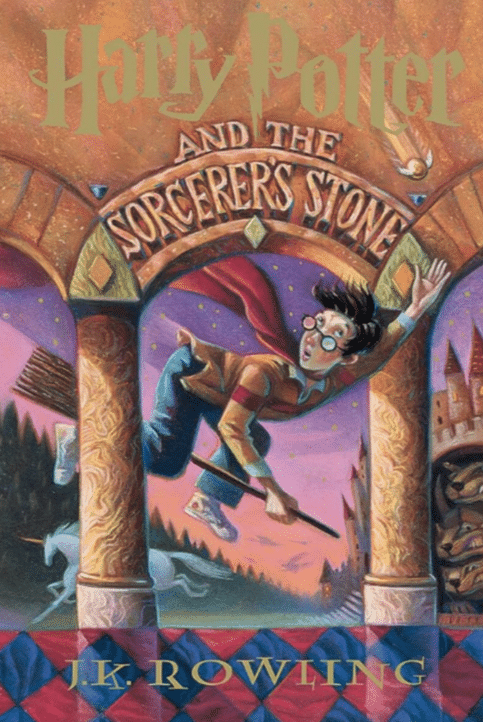
Most of J.K. Rowling’s Harry Potter books, including Sorcerer’s Stone, have been banned for promoting witchcraft and evil spirits as well as spells and curses.
The Harry Potter series follows Harry Potter as he discovers he’s a wizard and begins to attend Hogwarts, a school of wizardry. Orphaned Harry learns about himself, his family, and the wizarding world he is destined to save.
3. Perks of Being a Wallflower by Stephen Chbosky
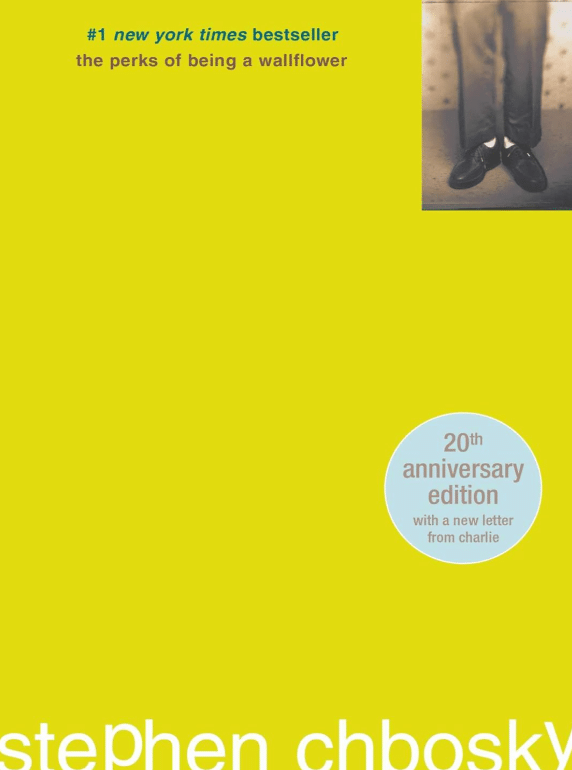
This book depicts sexual content, drug and alcohol abuse, and trauma.
During his freshman year of high school, Charlie is befriended by two outgoing seniors. The pair teach him about love and friendship, and Charlie is forced to face his troubled past as his friends prepare for college.
4. The Color Purple by Alice Walker
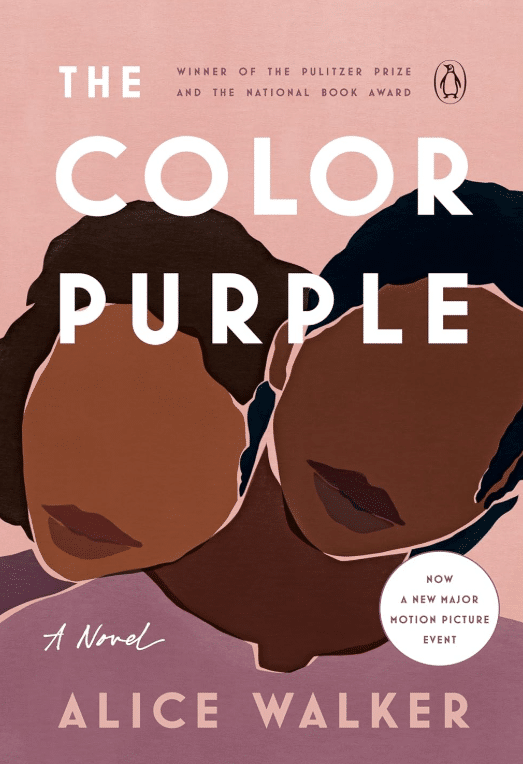
The Color Purple by Alice Walker has faced bans due to its sensitive topics. Some of these include incest, domestic violence, sexual assault, and racial representation.
The novel consists of letters between sisters, but neither receives them. It takes place in early 1900s rural Georgia and spans many years, narrating the girls’ lives as they go through domestic and sexual abuse.
5. Animal Farm by George Orwell
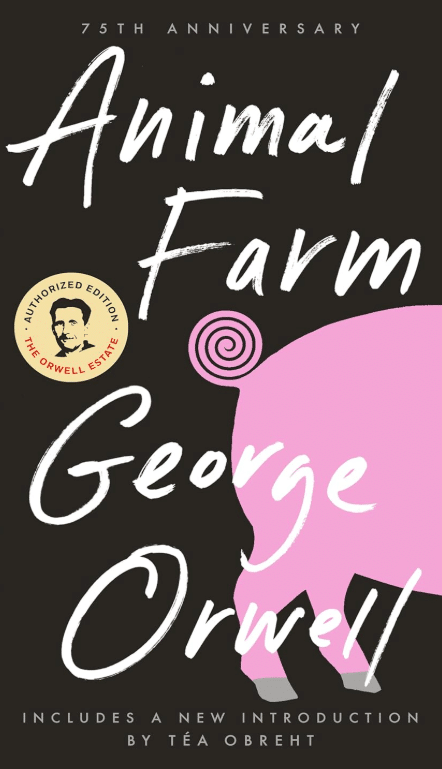
Some states have banned this book because it depicts political content, including anti-communist themes.
Based on Stalin’s Russia, Animal Farm is about a farm that is taken over by its overworked and mistreated animals. They overthrow their humans and set up a new society.
6. The Catcher in the Rye by J.D. Salinger
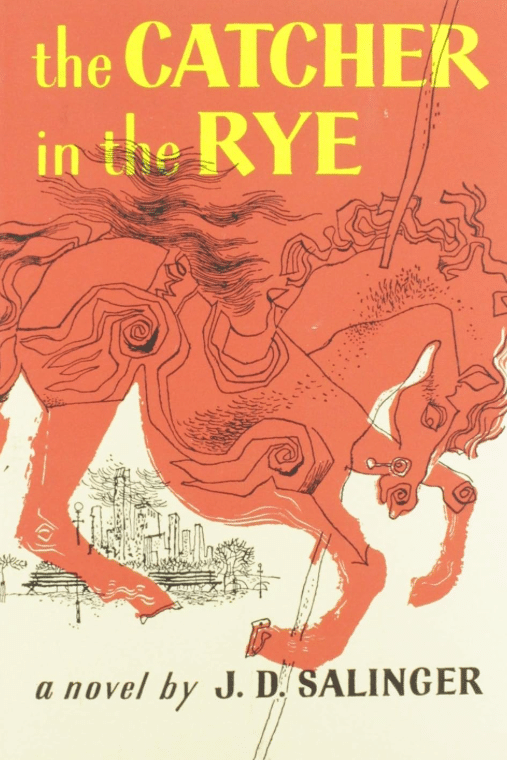
The Catcher in the Rye has been banned because of swearing, sexual encounters, social commentary, promoting rebellion, and the main character’s mental health.
It is a true classic and a coming-of-age story about teenage alienation. The story follows the story of Holden, who has been expelled from school for the third time.
7. All Boys Aren’t Blue by George M. Johnson
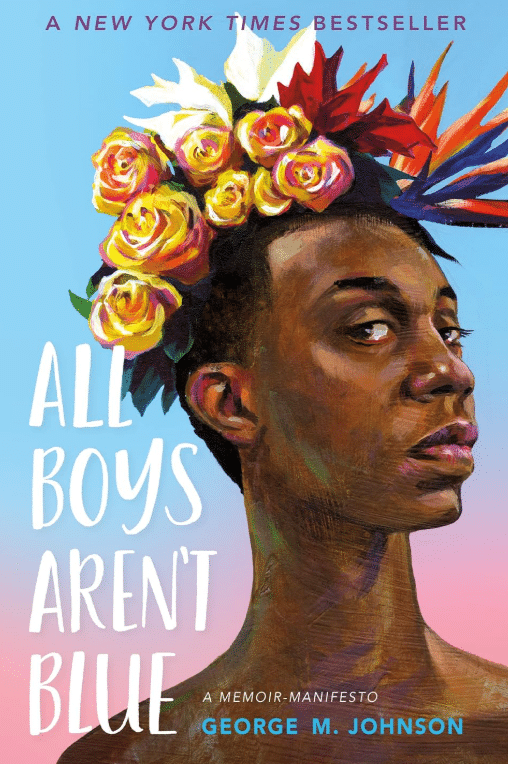
This book has been banned for having LGBTQIA+ content and being sexually explicit.
All Boys Aren’t Blue is the memoir-manifesto of George M. Johnson. The story consists of a series of essays describing his journey as a queer Black man, beginning with his childhood, adolescence, and college years in New Jersey and Virginia.
8. To Kill A Mockingbird by Harper Lee
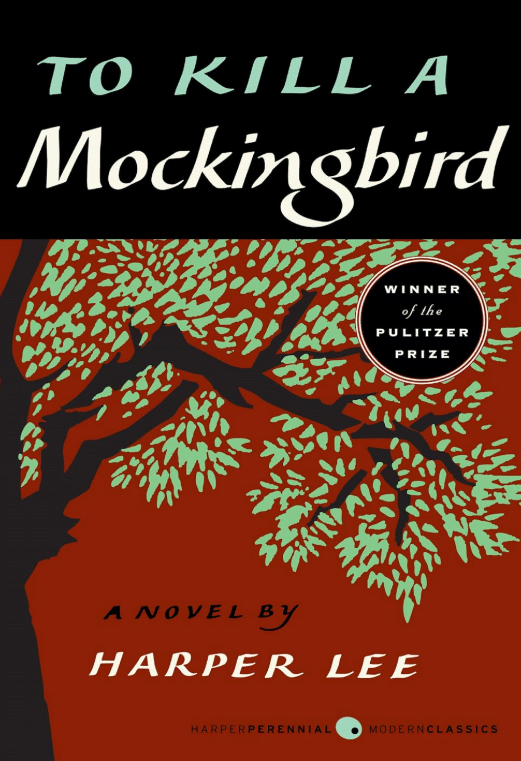
This book was banned because of its portrayal of racial and sexual content.
Taking place in Maycomb, Alabama, during the Great Depression. The story revolves around the Finch family: Scout, Jem, and their father Atticus. Through Scout’s eyes, we watch her father, a lawyer, risk everything to defend a wrongly accused black man.
9. Fahrenheit 451 by Ray Bradbury
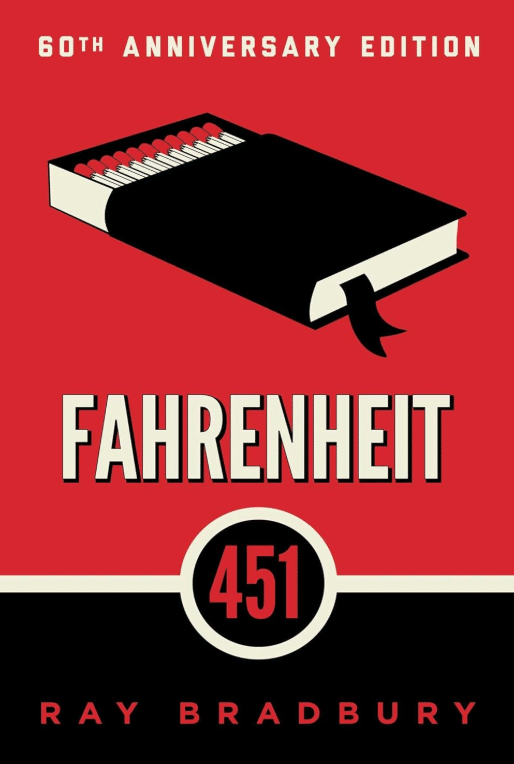
This book has been banned because of its critique of authoritarianism.
It takes place in a dystopian American society where reading books is outlawed. To ensure happiness, “firemen” burn books. Guy Montag, our main character, becomes a reading rebel. He soon realizes that people have no room to think for themselves or control their own emotions. Montag has to face many challenges to discover what they’re hiding in the books.
10. The Joy Luck Club by Amy Tan
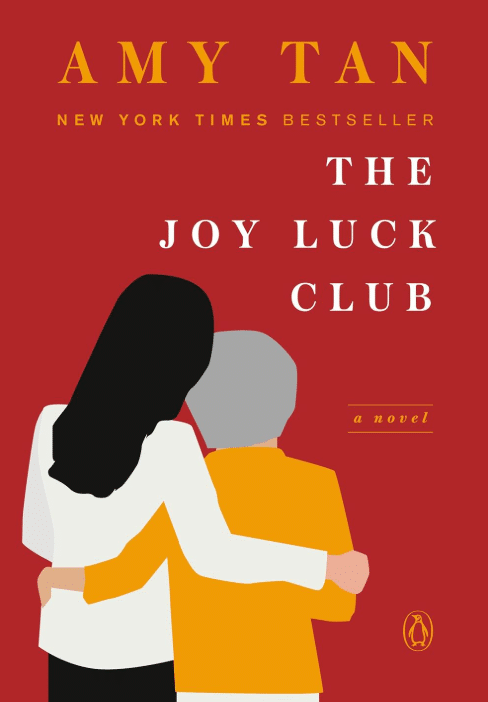
A true mother-daughter story, The Joy Luck Club by Amy Tan was banned for being sexually explicit and contradicting community values.
Taking place in San Francisco, The Joy Luck Club follows four Chinese immigrant mothers and their four American-born daughters. The mothers form a mahjong group. Inspired by mahjong, the book is structured into four parts, each with four sections, to total sixteen chapters. The stories are all intertwined, depicting topics like generational trauma.
11.The Book Thief
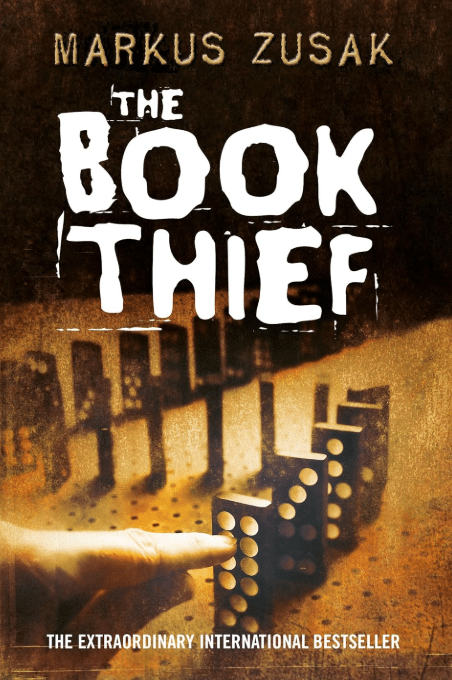
The Book Thief by Markus Zusak has been challenged and banned due to violence, profanity, heavy plots, and surreal concepts.
A historical fiction taking place in Nazi Germany, its protagonist, Liesel, becomes enthralled with books under her foster father’s guidance. The catch? They live in a world where authorities burn books. Soon, Liesel begins stealing books — from Nazi book burnings to the mayor’s wife’s library, she will go anywhere for them. Things become more dangerous for her once her foster family starts hiding a Jew in their basement.
12. The Handmaid’s Tale by Margaret Atwood
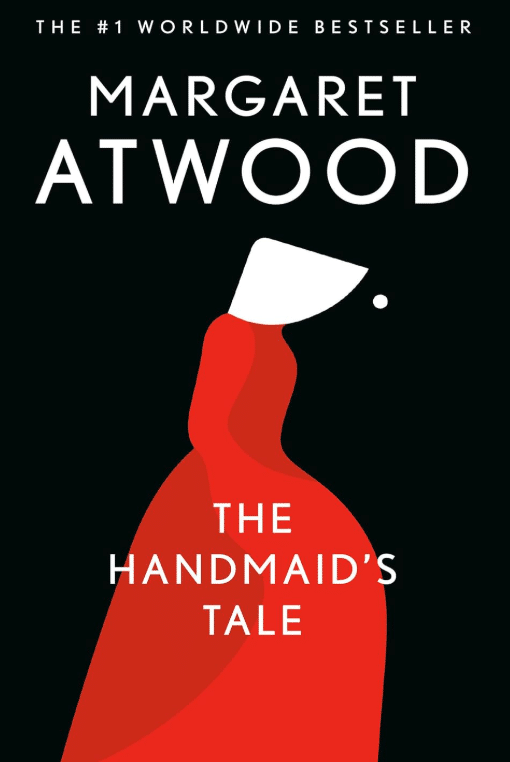
With a show of the same name, The Handmaid’s Tale by Margaret Atwood has been banned in multiple states. The book portrays sexual content, female oppression, forced reproduction, religious fundamentalism, some LGBTQIA+ characters, profanity, and religious extremism.
In the novel, the Republic of Gilead has replaced the American government, building a totalitarian and theocratic state. The elite couples prime women for service, stripping them of their old lives. The women become Handmaids. Commanders own the maids. Maids must reproduce for the couples. The Eyes, a police-like force, watches the maids’ every move.
13. Flamer by Mike Curato

The only graphic novel on this list is Flamer by Mike Curato. This book is one of the most banned/challenged LGBTQIA+ books.
Flamer is semi-autobiographical and takes place in the middle of the summer between middle and high school. Our main character, Aiden, struggles with his identity but grows into his own at summer camp. He faces challenges like bullying, making friends, and figuring out his sexuality.
14. The Diary of Anne Frank by Anne Frank
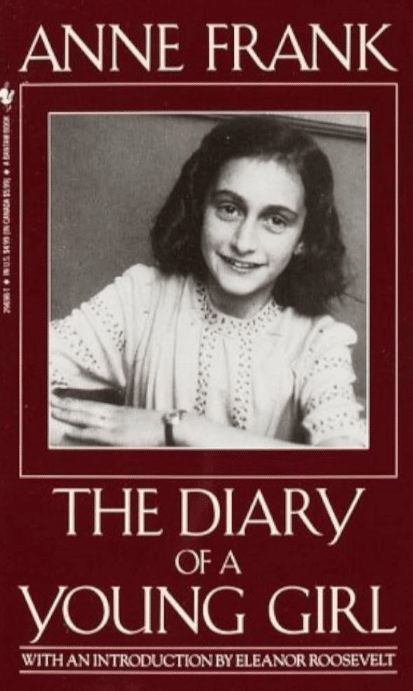
A true literary classic, The Diary of a Young Girl by Anne Frank has been banned because Anne discussed her sexuality and curiosity about her body. Some parents complained it was pornographic. Others said it caused homosexual tendencies. Banning it censors a symbol of the Holocaust tragedy.
The story depicts the last years of a thirteen-year-old’s life in an attic. Anne Frank and her family went into hiding in 1942 as Nazis were occupying Holland. She writes about her family relationships, her first love, and her daily life in hiding.
Reading is Knowledge
Reading provides knowledge. Restricting the freedom to read ensures that history will repeat and we as a society will be at a standstill.
No book is safe from bans or challenges. Examples include children’s books, books with film adaptations, nonfiction history, and even books that have been a part of school curriculums.
Project 2025 pushes the narrative that reading about other communities will have harmful effects, but the project itself will inevitably lead to division in our society.









Lena Haro
February 16, 2025 at 7:05 pm
I’m wowed by this. Well done. It is incredible what is going on under our eyes. No words. Outstanding work.