Joachim Trier has carved out a name for himself in recent years, with The Worst Person in the World receiving a couple of Oscar nods back in 2022. His films are dramatically intense and fascinating, and his newest outing, Sentimental Value, keeps in line with his typical style. This time around, legendary actor Stellan Skarsgård has joined the cast, along with the beautifully talented Renate Reinsve.
Reinsve earned herself a Cannes Best Actress award for her work in “Worst Person”, so it’s no surprise that she returned for this tour de force. The film also features Elle Fanning and Inga Ibsdotter Lilleaas, and all four of these actors are in rare form. The psychological ins-and-outs of the film are equally loopy and emotionally dense so much so that I had to see the film twice to really unpack everything going on.
The thing is, while the film has some puzzling plotting, its surface level is so easily enjoyable that I may even go see it for a third viewing.
O father, where art tho?
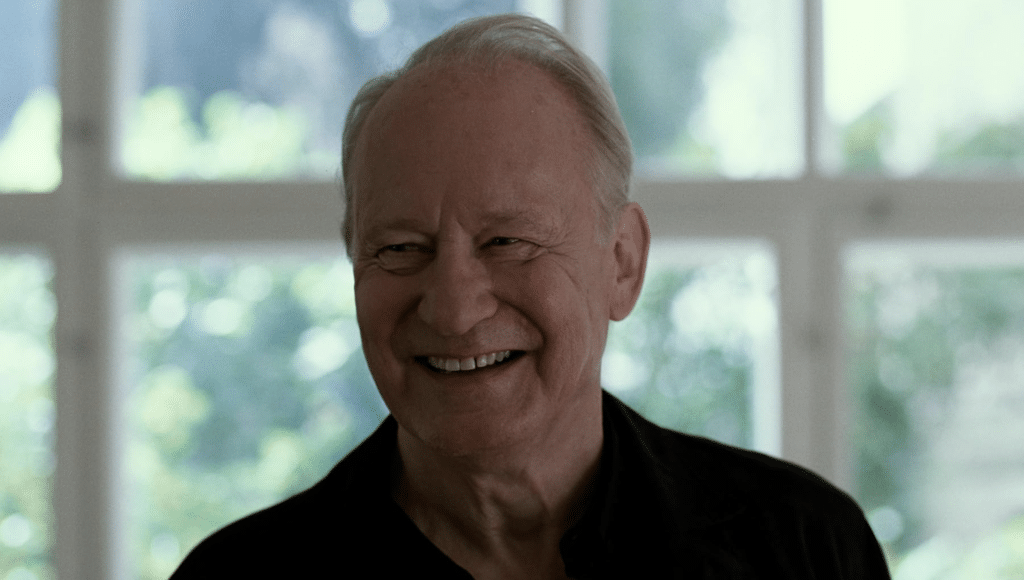
Let’s get to the basics of the plot. Mainly, the film is concerned with the Borg family, specifically the patriarch, Gustav Borg. Stellan Skarsgård plays Borg, the absent father/famous film director, with a subtlety that gives the film an extremely natural feel.
That being said, Reinsve and Ibsdotter Lilleaas are just as amazing, playing Borg’s two daughters, who are both emotionally torn on how to feel about their father’s sudden return. Abandoned by their big-time director dad at a young age, they both feel differently based on their own childhood experiences.
What Trier does so well is make all of these characters feel lived in. Right off the bat, Nora, played by Reinsve, and Agnes, played by Ibsdotter Lilleaas, feel familiar. We can sense the love they feel for each other, and the way that they looked after each other and their mother after Gustav left.
It’s Gustav’s return that threatens to shake the balance…
Acting as actors
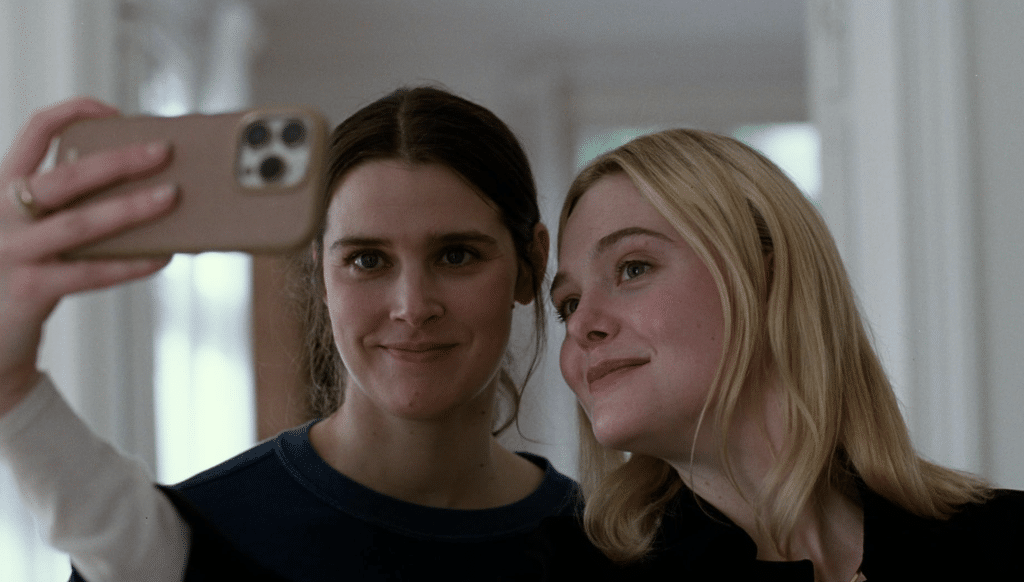
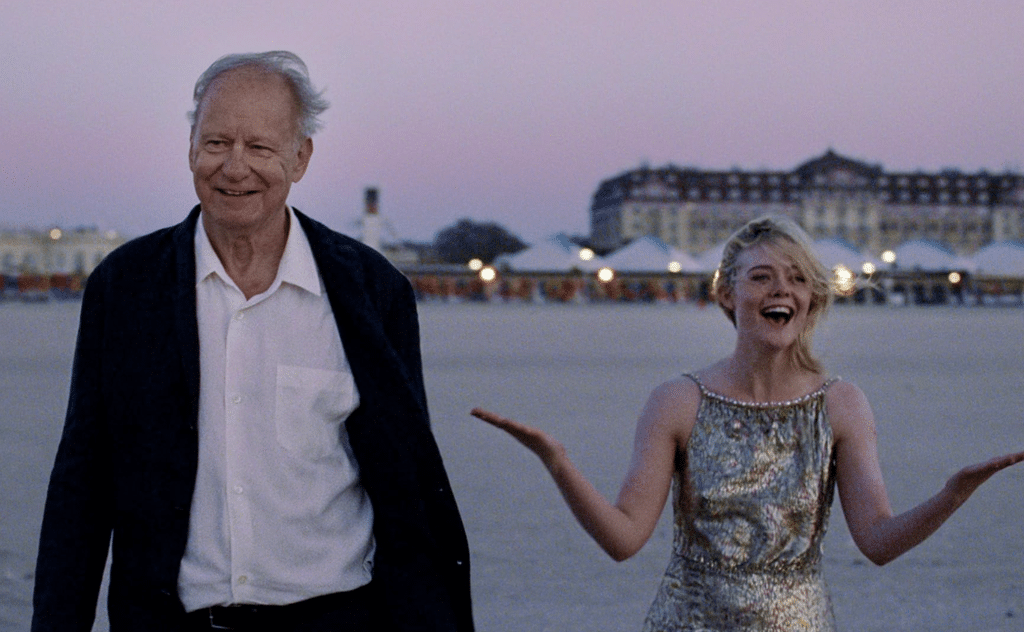
My favorite aspect of the film is the meta-filmmaking. Nora is a thespian actor, opting for the stage over the screen. Agnes played a role in one of her father’s films when she was a young girl. Elle Fanning plays a fictional, famous American actress, Rachel Kemp, with the utter enthusiasm of a happy-go-lucky up-and-coming movie star.

Skarsgård, however, has the most fun playing the aging, filterless, and regretful Norwegian director, Gustav Borg. Borg is a big name in the film industry, although unfortunately, the same cannot be said for his own family. The stress caused by Borg’s return is only enhanced when he reveals his ulterior motives to his daughters.
This is where I have to stop myself. If I give anything else away, I fear taking some of the shock factor away from the story itself. What I will say is that the metaphorical waltz being danced by each and every character here takes you through emotional highs and lows at a patient and prudent pace.
Visually and mellifluously marvelous
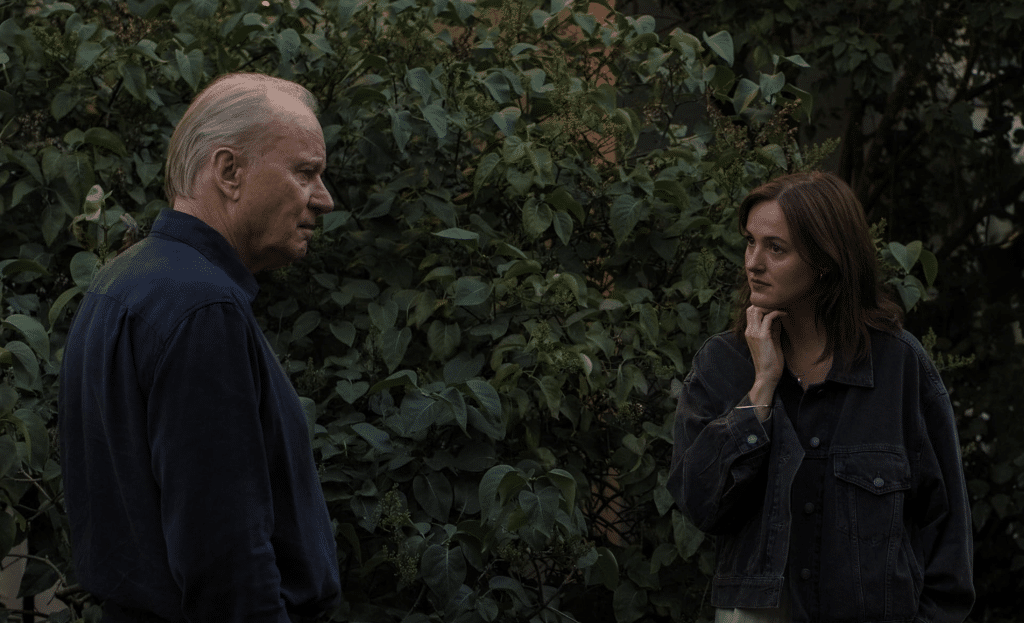
Joachim Trier writes and directs a beautiful movie. He did have help in writing the screenplay with long-time collaborator Eskil Vogt. But his vision, nonetheless, pierces through the screen. There’s a certain grainy texture in some sequences that gives the whole affair a vintage atmosphere. And the close-ups? With these beautiful people? I could watch ’em all day.
Trier is also a big fan of the hand-held camera style, giving some scenes a vibrant and/or moving energy. The blocking and the way the actors are placed in each scene reveal the tension or relaxation that each character brings to one another. This makes for some hilariously tense and blissful sequences that’ll make you wince or smile in equal measure.
Soundtracks and scores can sometimes make or break a film, and let me tell you, this film is made all the better with its sporadic and surgical use of music. The soundtrack is superb, correlating to the feelings felt by one character or another from scene to scene. Songs abruptly start and stop depending on where we are in time or reality, and each new melody jolts you back into focus.
Art, family, and sentimentality
This film speaks loudly to the same thing that my favorite film of the year, Hamnet, speaks to: the healing power of art.
There is a lot of trauma going on in the Borg family, and it goes back generations. While Agnes shied away from acting as she got older, both Nora and Gustav have used their art as a crutch over the years. While both are troubled individuals, their outlet is and always has been acting and directing, respectfully.
They don’t always love what they’re doing, and that just goes to show how uncertain a career in the arts can be. Just like any job, there are highs and lows, frustrations and celebrations, and sometimes? It feels like you have no idea what you are doing.
Nora and Gustav are lost souls, and they throw themselves into their art, selfishly so, in order to try to find a meaning to all of their shortcomings over the years.
Exit stage left
Then there’s the ending. Endings are huge, and some may say the most important part of any story, be it a book, a movie, or a play. This movie’s ending is one of the most satisfying I’ve seen all year. And that’s sayinga lot.
There have been many, many amazing films this year, and all of them have pulled off a grand finale. But this film in particular, speaking to the filmmakers and actors in all of us, makes a certain impact that words cannot express. It’s a beautiful end to a beautiful film, and it will make you want to go through it all over again.
Sentimental Value is now playing in theaters. See it to believe it.