Milan Fashion Week just kicked off what promises to be an exciting season in the fashion world, but already an old silhouette is starting to reemerge. At first, it was just a one-off creative choice from the house of Prada. Then, it popped up in the Saint Laurent menswear collection. After that, it began to appear at nearly every house that presented a collection. Despite several years of body inclusivity, it looks like the fashion world has finally had enough; skinny silhouettes are on the rise again, and it’s not by mistake.
On June 21, at their Deposito at the Fondazione complex, Prada debuted its Spring/Summer 2027 Menswear Collection. For this season, joint creative directors Miuccia Prada and Raf Simons focused on one garment in particular: Jeans. Ms. Prada described them as “the universal garment”, which sounds downright egalitarian until you realize that, across the board, all of the jeans shown were “drain-pipe” cut: a sleek, narrow silhouette clearly meant for similarly sleek, narrow bodies.
In Prada’s show notes, the collection was described as “Freed from extraneous detail and exaggeration,” with many online going so far as to call it minimalist. But if you really look at the garments, they’re far from simplistic.
After all, there were scores of loud patterns, one acid-green all-leather look, and more than a few asymmetrical sunglasses that could give the Spy Kids a genuine run for their money. All this hardly screams minimalist, so what do people really mean when they describe the show as distilled, slick, and stripped-down?
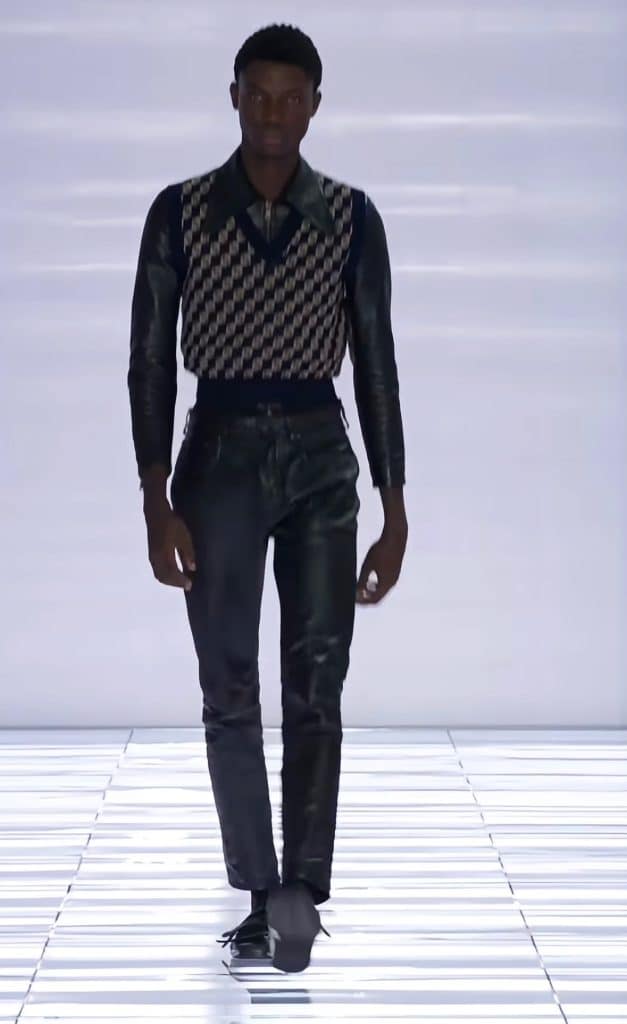

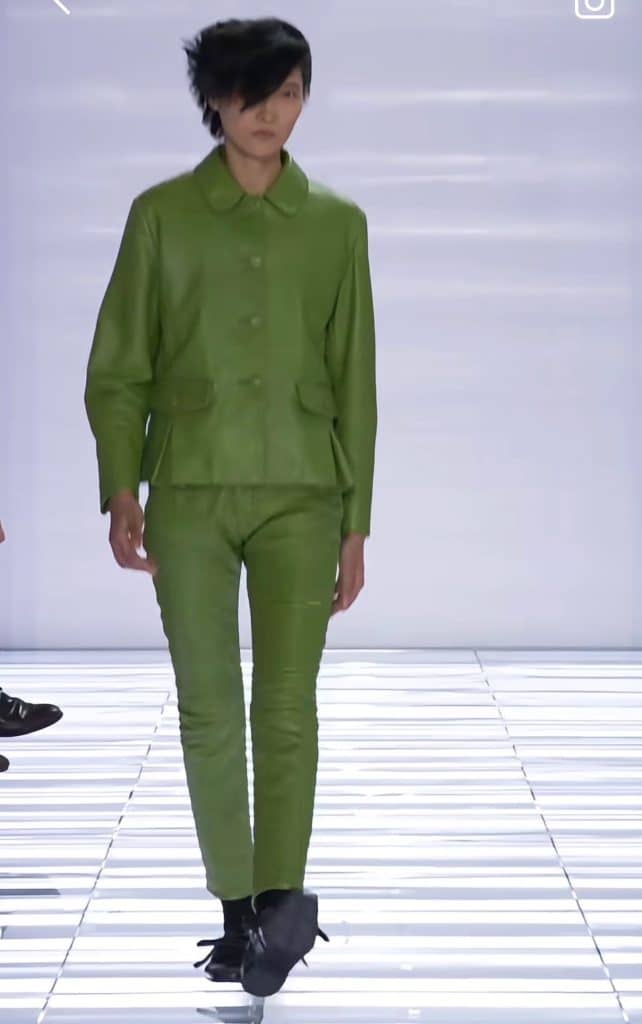
For one, you could argue that clothes were never the real focus. Prada was making a statement on minimalism only insofar as their models were concerned. Every pair of slim-cut trousers was deliberately designed for a single, bone-thin frame. The cropped leather jackets fit perfectly, so long as they’re worn on a cadaverously lean body. Prada promised to distil their garments for the sake of style, but the only thing they seem to have reduced to a single option is the body.
In their show notes, Prada used the phrase “recalibration of perception.”
A Shift Years in the Making
There’s no denying that, for the last few years, people have grown accustomed to wider silhouettes and generally oversized proportions. As a result, this Prada show likely looked wrong to your casually informed fashion-heads. Skinny jeans aren’t a familiar look anymore, and they stick out accordingly.
With this collection, Prada and Simons appear to be instigating a massive shift in perspective within the fashion world at large. Prada knows that it takes time for something to look truly cool again, but it has to start somewhere.

But straight and narrow? Really? Could this just be the pendulum swinging back after years of baggy silhouettes, or is skinny really back to stay? It’s a conversation that seems to bubble up every few weeks in sartorial subreddits, particularly among acolytes of the acclaimed French designer Hedi Slimane. They don’t call him “The Sphinx of Svelte” for no reason.
For years, scores of self-proclaimed “Hedi Boys” have been predicting that skinny jeans are on the verge of a comeback, and you’d have to imagine they’re probably feeling pretty smug right about now.

But it’s not only the Hedi Boys that are stressing this idea— across social media, fashion content creators have also been sounding the alarm on the return of skinny styling.
Like doomsday prophets, they’ve been warning their followers to get ahead of the curve before it’s too late. Sell your kidney for a pair of vintage Dior jeans! The end is near! All this talk has essentially induced a sort of mass hysteria. Everyone is obsessed with what’s coming next, and paradoxically, everyone wants to be the first one to know.
Who Wants in with the Skinny Resurgence?
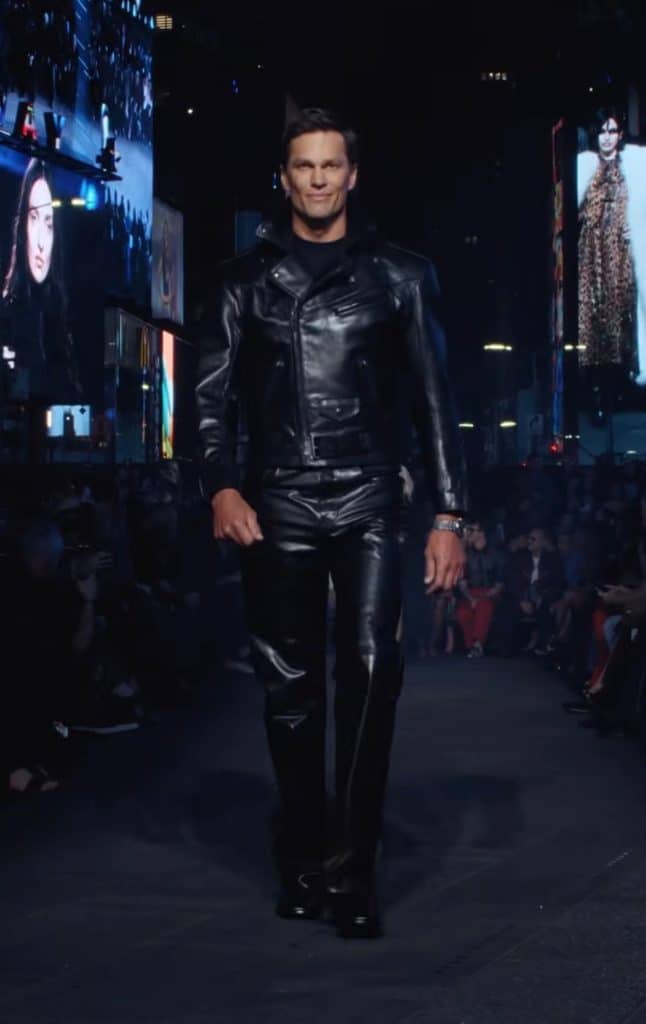
It’s not just Prada. At Gucci, creative director Demna has also leaned into a slick, heroin-chic look. In recent collections, he’s been making clear references to the iconic Tom Ford and Hedi Slimane eras (a fact that the Hedi Boys are all too happy to point out). During its 2027 Resort show, Gucci finally went all in on the skintight, literally sending Tom Brady down the runway in an all-leather Tom of Finland fit.
At Saint Laurent, creative director Anthony Vaccarello similarly eschewed the flashy antics of past collections. The Belgian designer claimed to be going for something “Straightforward” and inherently more restrained this season. The models were skinny, as expected, but this time around, the clothing itself was subdued too. There were no more colossal pussy-bows. Just elevated everyday clothes. Sensual simplicity. But why?
It’s no secret that high fashion is a modern balancing act. The idea of fashion as a romantic, artful endeavor is all well and good, but at the end of the day, it remains a primarily commercial enterprise.
Despite their best creative intentions, every designer still has to grapple with the tangible need to move more product. This has become especially difficult in a global economy where fewer people than ever can afford luxury fashion. An industry-wide shift toward quiet luxury, and yes, toward skinnier silhouettes, reads as a reactionary move — an attempt to sell exclusivity to an ever-shrinking clientele.
Who Is Fashion Keeping Out?
It’s worth considering what kind of message this sends to fashion lovers everywhere. In many ways, the popularity of oversized, loose-fitting silhouettes over the last few years was revolutionary. It opened the door for a broader audience to experiment with personal fashion.
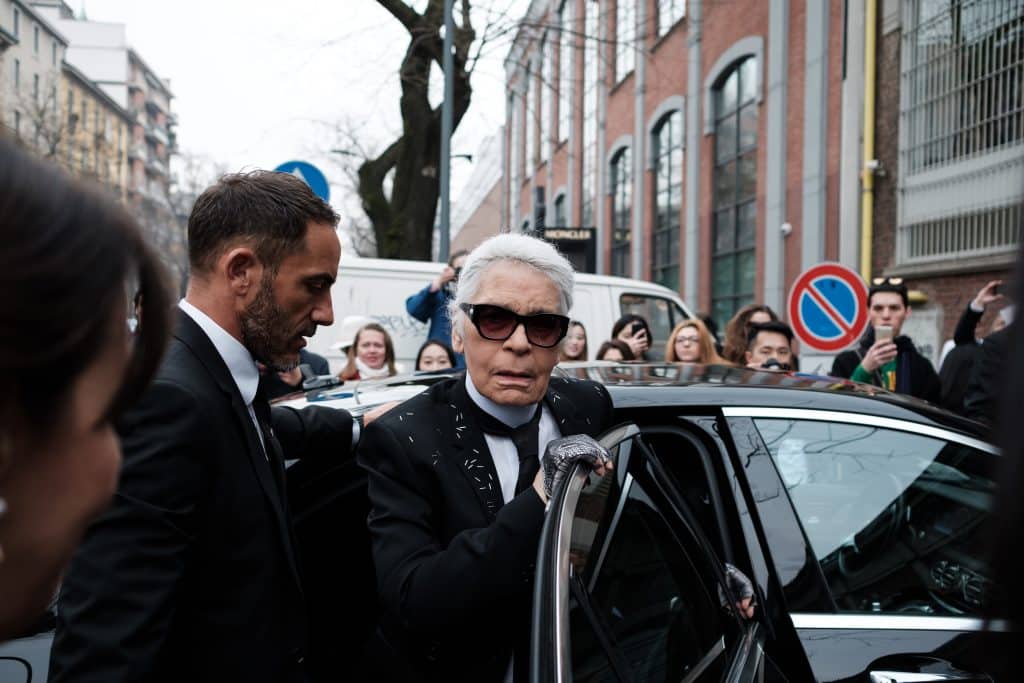
Historically, fashion had always been reserved for the slender. The legendary designer Karl Lagerfeld was well known for voicing his disdain, claiming in a now-infamous interview with Focus Magazine, that people simply liked skinny models better, and that those who didn’t were all “Fat mummies.”
However, by 2020, body-positivity and inclusivity initiatives became hot-button issues, and the fashion world was finally forced to respond. During this period, many luxury houses incorporated plus-sized models into their shows, and Vogue featured Paloma Elsesser on its cover.
Looser, varied silhouettes allowed different body types to rock the exact same fit. People grew more comfortable expressing themselves through their clothing, as the standard wasn’t as unhealthy or unrealistic. For a glistening moment, it looked like the fashion world was finally moving in the right direction.
However, in light of these recent collections, it’s not hard to imagine that this move towards “inclusion” may have all been for show. The major houses soaked up as much cultural clout as they could, and now it looks like they want to return us to a time-honored model. They forget that opening the door to a wider audience irreversibly changed the fashion landscape.
Fewer people may be buying, but there are more eyes on fashion than ever before, and the lens through which we view fashion is no longer strictly skinny. If the major houses are trying to quietly slip back to their old ways, it won’t be nearly as easy to avoid scrutiny.
Fashion and Big-Time Politics
The reelection of President Trump likely played a larger role in this shift than anyone wants to consider. Trump’s victory brought sweeping indictments of anything that was deemed “overly woke.” Rather than stand opposed, most major houses were perfectly content to forgo their initiatives, since most collections feature sample sizes, and it was harder and more expensive to create varying sizes anyway.
Gone were the plus-sized cover stars. Gone were the body-inclusive models. Although it boasts a degree of separation from American politics, the fashion industry is still responding to global events. Is Miuccia Prada really ushering in a “recalibration of perception” or was the recalibration already well underway?
Trump’s presidency undoubtedly bolstered conservative ideologies worldwide. Trad-wife content has gone up, masculinity is in crisis, and the rise of GLP-1s has forced our skinniest models to somehow get even skinnier. Even tech billionaires have started venturing into the fashion world when they’re not busy blowing up rocket ships. Whether consciously or unconsciously, we are all responding to the political culture of Trump’s America.

So how can we read the return to a skinny, subdued version of luxury? For one, it marks a huge step toward homogeny. In his book The Anatomy of Fascism, philosopher Umberto Eco wrote that uniforms were a fetish for fascist regimes. This is because when you flatten everything into a single vision, one that is skinny, plain, and largely out of reach, the act of personal expression becomes inaccessible. It’s essentially enforced camouflage. How fitting that Ms Prada should be quoted saying, “I love uniforms because they allow you to hide.”
Prada’s insistence on unexaggerated basics also shows that even those who can afford high fashion are considering the practical value of their clothes. Trump’s wars and tariffs have left the global economy wildly unstable, and people are reaching for elevated staples accordingly. It’s a vicious cycle, and, quite frankly… People are bored.
What Can We Do?
There’s a bizarre feeling of inevitability behind the skinny resurgence. It’s a shared sentiment that fashion must return to the skinny silhouette because… what else would it do? This mentality is flawed and simply uncreative. Surely, there’s a more novel idea than simply looking at baggy fits and putting out the exact opposite. Fashion is still an artistic craft and a creative enterprise that demands technique, innovation, and technical command.
If you find yourself dissatisfied with the major houses attempting to steer culture in this direction, there are a number of houses that produce genuinely creative work while remaining inclusive and mindful of all body types. It’s up to buyers and casual observers alike to give these groups the attention and admiration they deserve.
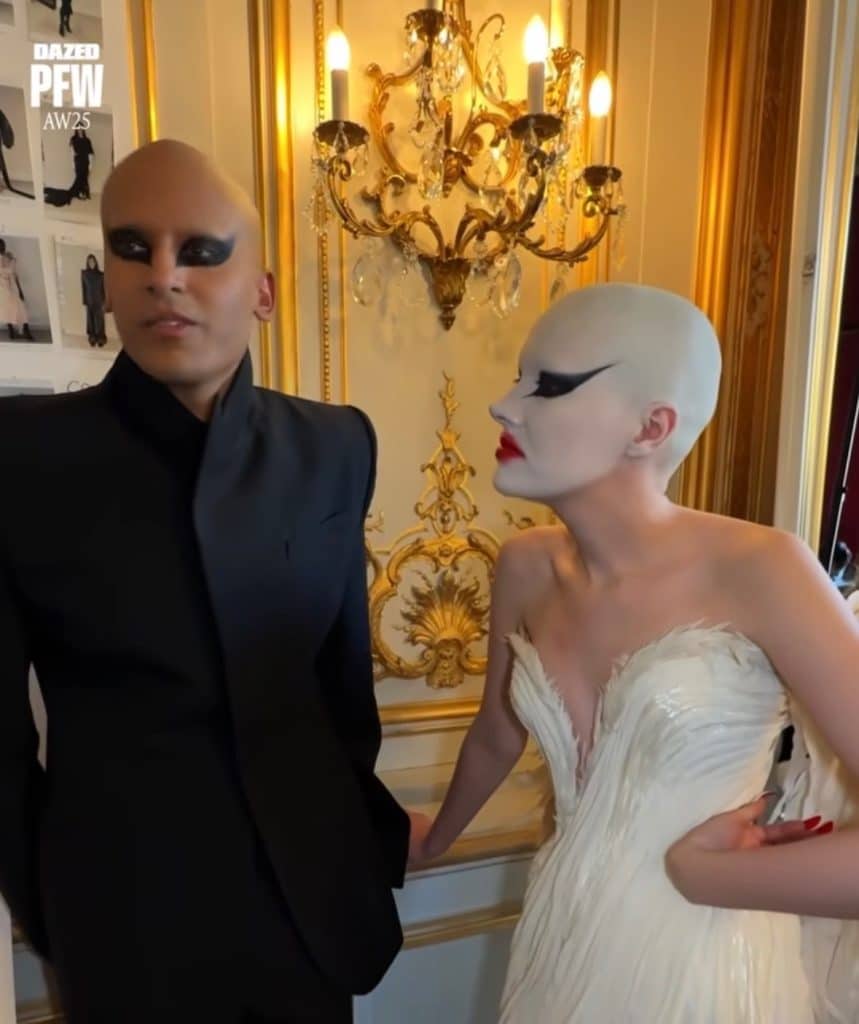
Labels like Matières Fécales have gone out of their way to feature a diverse range of models. This is a fairly nascent house, formed by the duo Hannah Rose Dalton and Steven Raj Bhaskaran. They typically feature aggressively avant-garde styling on models who range from tall to short, young to old, and skinny to plus-sized. It’s obvious that Matières Fécales is not doing this in a tokenizing manner. If anything, their choice of model tends to accentuate the garment’s true beauty even more.
The California native Willy Chavarria is another designer who bucks the conventions of the fashion world at large. In fact, in between designing billowing gowns for plus-size models and promoting LGBTQ causes, he frequently features his clothing on muscular frames. This is rare in a world where emaciation rules supreme, but Chavarria doesn’t seem to shy away from any sort of commentary. This is the kind of ethos you want in a creative director.
Skinny-chic may be sneaking back into the public eye, but it doesn’t mean the people can’t hold the line. We have seen the limitless potential of embracing inclusivity, and it would be a tragedy to let all of that go to waste (especially over a pair of skinny jeans).