According to roadtrips.com,
The World Cup is an international soccer tournament contested by senior men’s national teams from various countries.
For some, that corporate definition covers it: a global tournament where nations compete for the FIFA World Cup trophy. But beyond the competition, the World Cup has become a global stage for culture, identity, and connection.
For immigrant communities, these connections reveal how the World Cup can shape identity, culture, fashion, and belonging.
Soccer and Cultural Pride
My family is from Puebla, Mexico, and carried Puebla’s culture to Pennsylvania. The World Cup carried it into my heart.
In fact, my earliest childhood memories consisted of the World Cup.
In 2010, I watched every male relative crowd around the TV, roaring with each Mexican goal. That’s when I understood: for my immigrant family, the World Cup wasn’t just soccer, it was pride.
That feeling isn’t unique to my family. It’s part of America’s soccer story. As an EBSCO article on immigration and soccer explains,
Immigrants have played a crucial role in the history and development of soccer in the United States.
Immigrant communities, particularly European immigrants during the late 19th century, helped grow the sport by creating soccer clubs and leagues throughout the country.

For many immigrant families, the World Cup is a reminder of home, culture, and identity. Soccer connects children of immigrants to countries they never grew up in but still call their own.
For me, that connection came through a soccer jersey. Wearing my Mexico or América jersey in public, other Mexicans would smile at me, a small recognition that meant everything to someone caught between two cultures.
Soccer and Cultural Identity
But I’m not the one who feels this way. My brother, Angelo Atenco-Torres, a lifelong fan of Real Madrid and Cristiano Ronaldo who began playing soccer at age six, has always understood the game as more than entertainment.
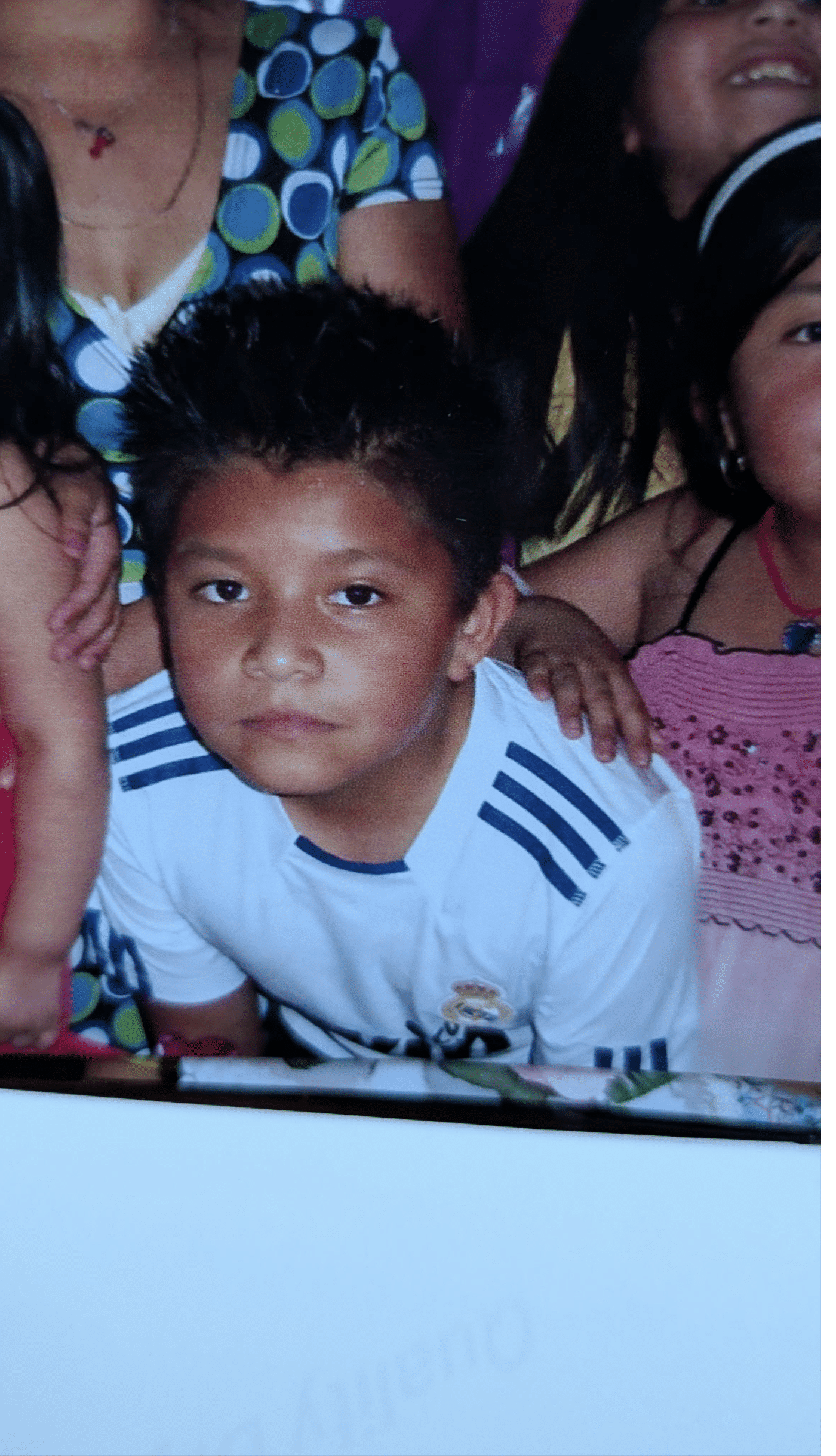
For him, soccer has shaped how he understands identity and connection.
When asked what jerseys represent, he put it simply:
Identity primarily, style second. Wearing a jersey says a lot about a person, there is always a lot of history and culture tied to the team one supports, and wearing your jersey expresses that to others.
In his experience, soccer was never only about teams or matches. It’s about family, tradition, and the moments that shape how the game gets passed down through generations, the way a love for the sport becomes an inheritance, not just an interest.
In 2018, during the Brazil World Cup, Mexico beat the then World Cup winners Germany. During Mexico’s celebrations, the country created an artificial earthquake, triggering earthquake detectors in the surprise victory. It’s these moments of shared emotions that have made me feel closer to my culture.
But the soccer jersey has crossed into fashion, now a symbol of subcultures worldwide, woven into pop culture and nostalgia.
World Cup and Fashion Culture
Once just a show of team or cultural pride, soccer jerseys have crossed into streetwear.
A prime example is ‘blokecore,’ which French Vogue traces back to:
A blend of 1990s British pub culture and the style of football supporters filling stadium stands.
While the trend may feel recent, the connection between soccer and fashion has existed for decades. In the 90s, Britpop bands like Oasis became associated with the style and identity of working-class Manchester.
As Vogue explained,
They were ‘dressers’ rather than ‘fashionistas’, opting for what you’d see on the football terraces and in the streets of Manchester.
Their style helped connect soccer culture with music, youth identity, and everyday fashion.
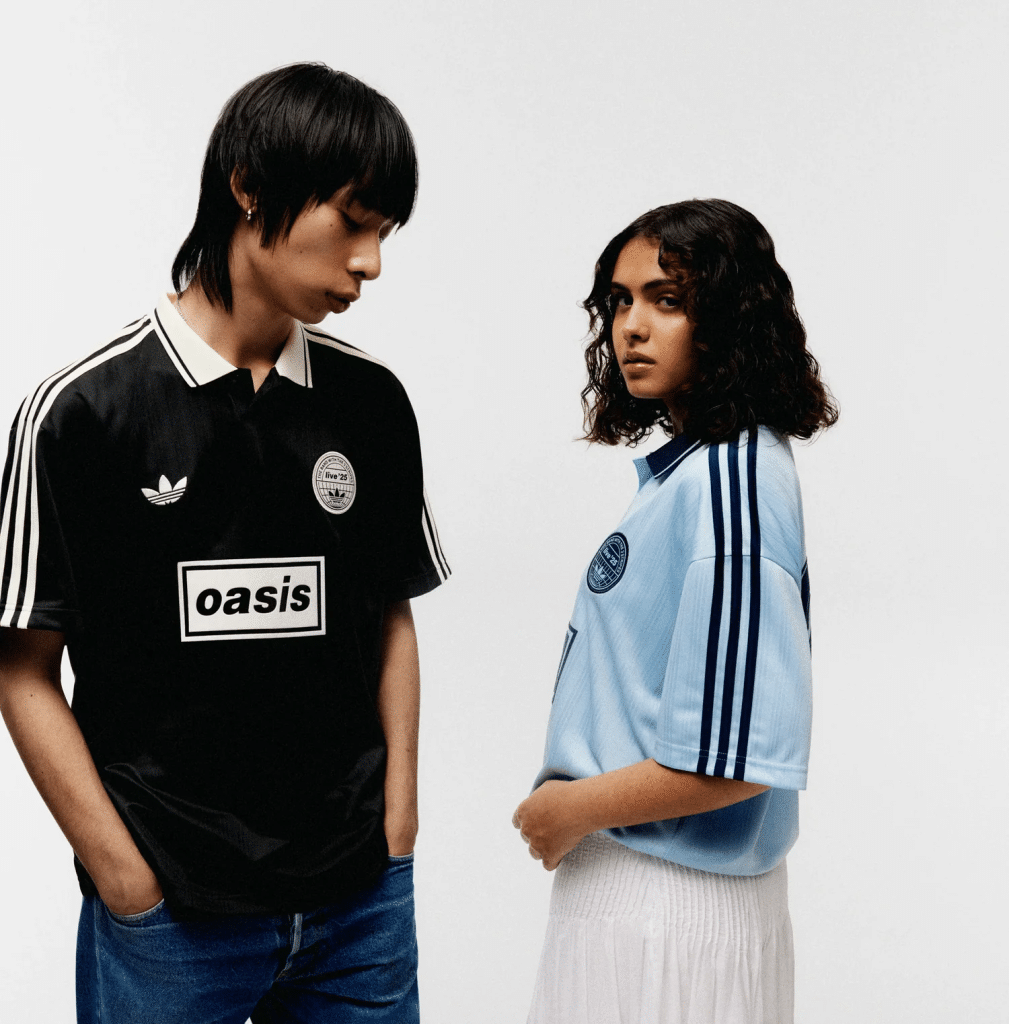
Yet soccer’s influence on fashion extends beyond streetwear. Another example is the resurgence of Wives and Girlfriends (WAG )culture.
Unlike the Blockcore, WAG culture grew out of media fascination with the wives and girlfriends of professional soccer players, such as Victoria Beckham and Cheryl Cole, who created trends that blended soccer jerseys and women’s fashion.
As documented by Dazed,
An iconic moment in British fashion history, where between all the chunky belts, caramel extensions, and saucer sized sunnies, the WAGs cultivated an aesthetic which would then be reflected back by thousands of young women.
Both WAG and Blokecore now inspire today’s fashion. From Oasis 2025 tour merch to the 2026 World Cup merch, brands such as Hollister and Adidas are bringing back these trends for both men and women, highlight just how impactful soccer jerseys hold for an era of 90s and 2000s nostalgia while still being a key movement for cultural identity.
But sometimes it isn’t the jerseys or the games that bring people together, rather it’s the music, players, and shared experiences surrounding the tournament.
The Sound of Global Unity
While fashion reflects how soccer shapes identity, music reveals how it creates unity.
One of the first times I understood the World Cup’s global reach was through its music.
For me, the music video for the 2010 World Cup theme song, Waka Waka (This Time for Africa) by Shakira, which featured players and fans from countries around the world celebrating together, helped me to understand the tournament’s cultural significance while showing me what unity looked like.
As I grew older, I noticed that songs have different meanings to each soccer team. Liverpool, for example, has adopted songs like The Beatles’ She Loves You and Calvin Harris and Dua Lipa’s One Kiss as anthems of their own, proof that soccer doesn’t just borrow from culture, it creates it.
Unity Beyond the Pitch
With the 2026 tournament coming to the United States, my brother Angelo sees a turning point:
While the US soccer system has its issues, it’s been growing and serious money has begun funneling into the US’s league (MLS). The likes of Messi joining the MLS shows the commitment that is being put into the development of US soccer. Bottom line, I think the US is ready and wants to participate with the rest of the world.
The same dynamic plays out in how fans follow players across clubs. Angelo’s admiration for Cristiano Ronaldo, through Manchester United, Real Madrid, Juventus, and beyond, is its own kind of global thread.
Ronaldo’s move to Saudi Arabia put that league on the global map overnight, because owners know that a cultural phenomenon is a shortcut to growth. Fans pledge loyalty to players as fiercely as to clubs. Chicharito’s time at Manchester United drew an entire wave of Mexican supporters to the club , a hometown hero on the global stage became a point of national pride. Maradona didn’t just play for Napoli. He became their religion.
Whether it’s millions of voices sharing an anthem, a host nation opening its doors, or fans changing jerseys for a player across an ocean, the conclusion is the same: soccer is the world’s great equalizer.
More Than a Game
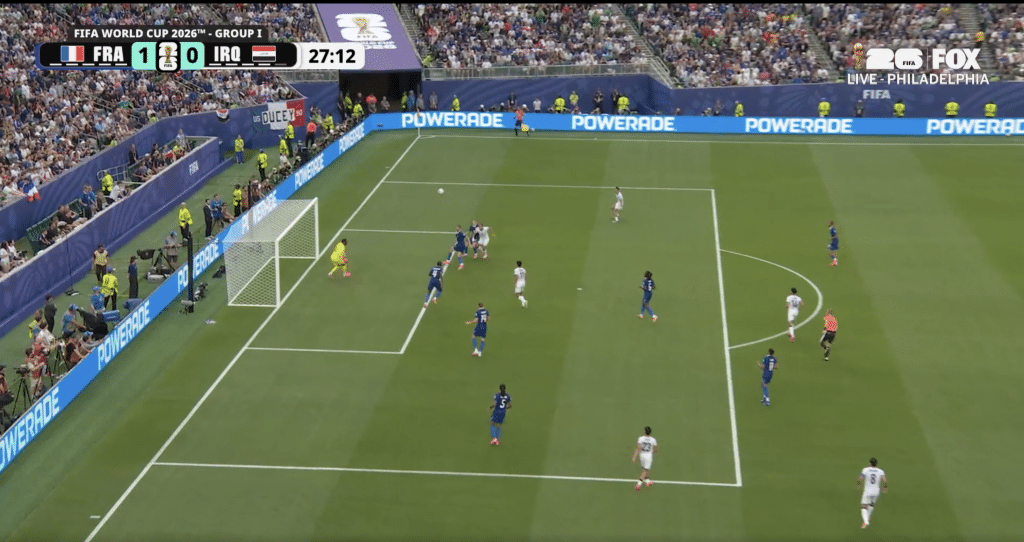
Today, soccer extends far beyond the field. It influences fashion, shapes cultural identity, and even plays a role in how countries present themselves to the world. For many people, the World Cup is not just a tournament, but a global force that connects culture, style, and national pride.
From crowding around a TV in Pennsylvania to watching Shakira unite the world in song, soccer has shaped how I understand belonging, family, and culture. For millions of others, the World Cup isn’t just a tournament. It’s a mirror held up to the world, proof that the most powerful things in life have a way of bringing us all together.