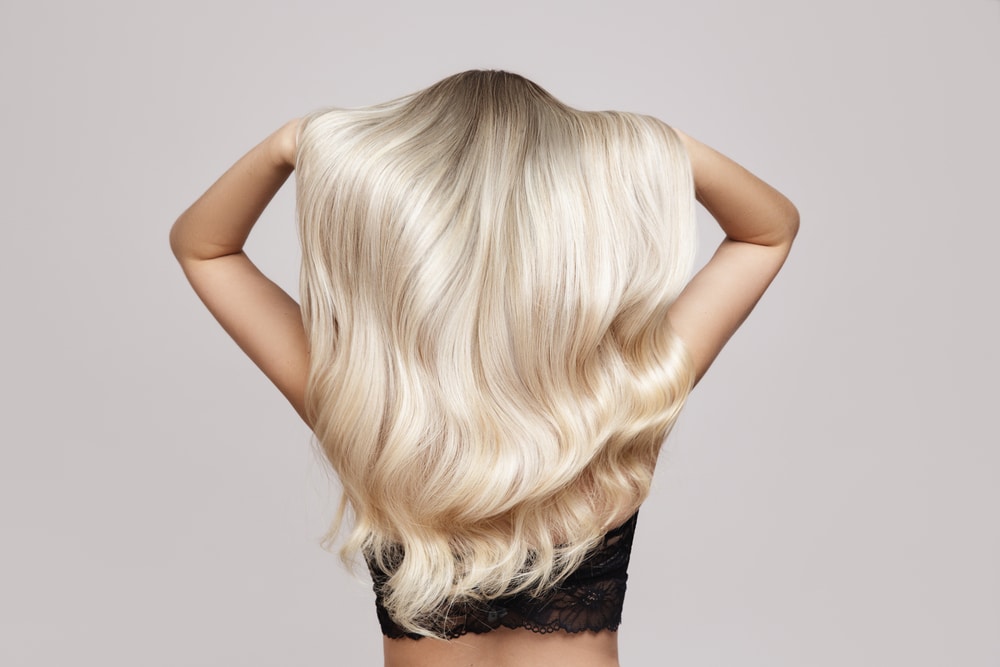
Only about 2 percent of the world’s population is naturally blonde; yet somehow, blonde hair has historically dominated the beauty industry.
From Hollywood icons to TikTok transformations, it’s been framed as brighter, bolder, and, according to a phrase that refuses to die, a lot more fun.
Everyone enjoys the experience of a cape clasped around their neck, a comfortable chair, and soft music playing.
You snag one last peek at your reflection, knowing it won’t look the same when you return.
Blowout or balayage? Or maybe something bigger—maybe today it’s time to go blonde.
Whether it’s the promise of a summer glow-up or the idea of ultimate reinvention, it seems that blondness has always captivated our attention.
The myth of the “fun blonde”
We’ve been trained to associate blonde with a better, bubblier, and more beautiful version of ourselves.
You might think there’s some scientific basis underlying this appeal. But really, it’s more about perception than the hair color itself.

When asked about the “fun blonde” cliche, Meagan Swartwood, Community Manager at Arctic Fox, replied:
“Honestly, we think it’s mostly a myth, but we’d be lying if we said there wasn’t a little something to it. ” -Meagan Swartwood
“Blondes have more fun” is a phrase that has been around for years, popping up in conversations, memes, and now across TikTok.
Brands have turned blonde hair into a persona embodying confident, carefree femininity. And you could be her, too, with just a little bleach!
Research cited by Elite Daily suggests that blonde wasn’t always attention-grabbing, but over time it has accrued connotations of glamor.
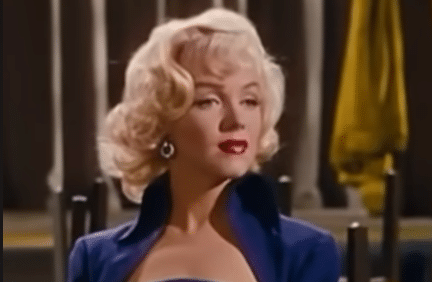
This can largely be traced back to Marilyn Monroe, whose platinum locks helped define the “blonde bombshell” image in the 1950s.
Even now, in 2026, blonde is still seen as a form of reinvention, and the allure of going blonde lingers.
But outside of media and marketing, the decision to go blonde is much more personal.
The blonde temptation
Sometimes it’s about reinvention—leaving the salon looking nothing like you did when you walked in. Sometimes it’s tied to life changes: a breakup, a new job, or simply wanting something different.
Ava Haupt, a full-time college student who has been blonde for about four years, offered insight into the reality of the transformation.
She said she originally went blonde after having dark, dyed hair for a long time and then craving a change. But she also admitted that, as a student paying for it herself, she’s still deciding whether the cost is worth it.
When asked whether blondes have more fun, she said:
“I don’t think blondes are inherently more fun—but in a lot of cases, it boosts people’s confidence, especially since blonde is still seen as the beauty standard.” -Ava Haupt
That perception of confidence is reinforced by what we see online.
The internet’s favorite hair color
With the rise of social media, it’s easier than ever to be persuaded to make a change.
TikTok hair transformations and seasonal trends encourage people to “full send” by committing to a new color.
Glow-up culture has turned transformation into a trend—a way to become the “best version” of yourself.
Influencers regularly promote hair changes, whether through brand partnerships or flaunting new looks at major events.
Celebrity transformations play a role, too.
When Bella Hadid debuted her return to blonde, it sparked conversation—especially since she had become known for her darker brunette look, as noted by Vogue.
From Kim Kardashian to Taylor Swift to Katy Perry, going blonde has provided a recurring opportunity for reinvention.
Online, these transformations appear easy—just a before-and-after video. But in reality, hair maintenance requires far more effort.
The cost of the color
The fresh color may last a week or two, but long-term preservation is a different story altogether.
And that commitment comes at a cost.
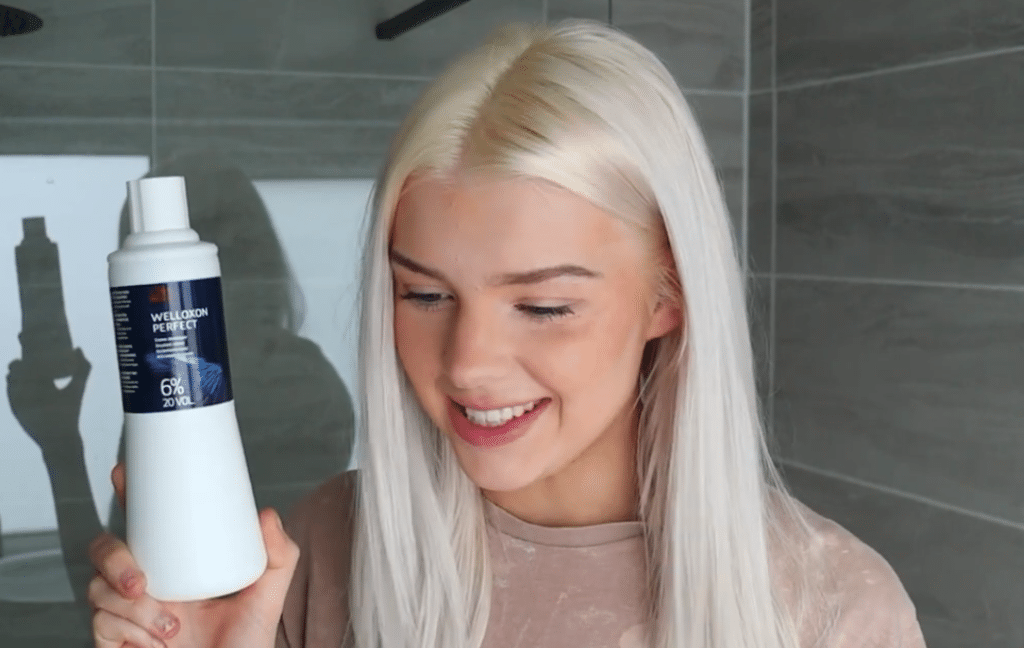
A breakdown reported by POPSUGAR found that maintaining platinum blonde hair can cost upwards of $8,000 over three years, with root touch-ups every six weeks and ongoing product expenses as essential parts of the routine.
Morgan Dempsey, a professional stylist at Shear Genius Salon in Whitney Point, NY, has witnessed this commitment firsthand.
“The confidence boost is huge for clients going blonde—especially with a big change. It’s that ‘I feel like a different person’ kind of energy. They feel transformative and bold. It can bring out a youthful side too. You can tell clients just feel lighter, brighter, and more fun!” -Morgan Dempsey
She also noted that around 90 percent of her clients who go blonde choose to stick with it.
Considering that only a small percentage of people are naturally blonde, it’s clear that many feel the transformation is worth the time, money, and effort.
At some point, the cost seems worth it. Hair care becomes self-care.
And that’s where the conversation shifts from maintenance to meaning.
Hair care as self-care
Confidence isn’t something you can buy, but hair color can certainly be a starting point.
People want to feel good. We express ourselves through clothes, tattoos, and personal style; our hair is simply another way to reflect our identity.
With stereotypes like brunettes being seductive, redheads being bold, and blondes being fun, it’s easy to use hair as a kind of personality marker.
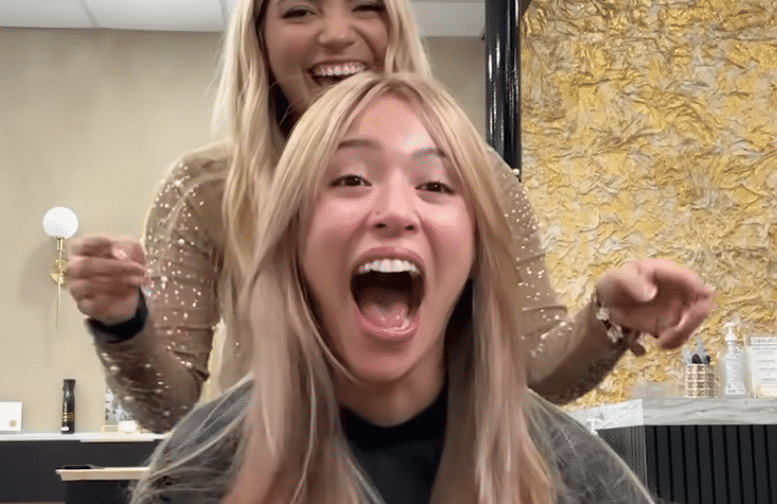
For me, changing my hair color every few months makes me feel like I’m moving forward. A new look symbolizes new possibilities—new interests, new people, and a new version of yourself.
Sometimes, when life feels stagnant, a change in appearance can reset how you see yourself—and how others see you.
Research by Dr. Piotr Sorokowski found that blonde hair is frequently perceived as more youthful, which makes it seem more desirable.
As much as hair color alters your appearance, the real impact comes from how it alters your perception of yourself.
However, even that sense of identity isn’t fixed—it shifts with trends, seasons, and personal choice.
Sun-kissed blondes, cozy brunettes
Despite the resurgence of blonde, beauty trends remain cyclical.
Blonde thrives in the summer, pairing naturally with sun, freckles, and beach days, while brunette tones take over in the fall in tandem with cozy aesthetics.
People don’t have to choose one identity. Hair grows back, and color can always change.
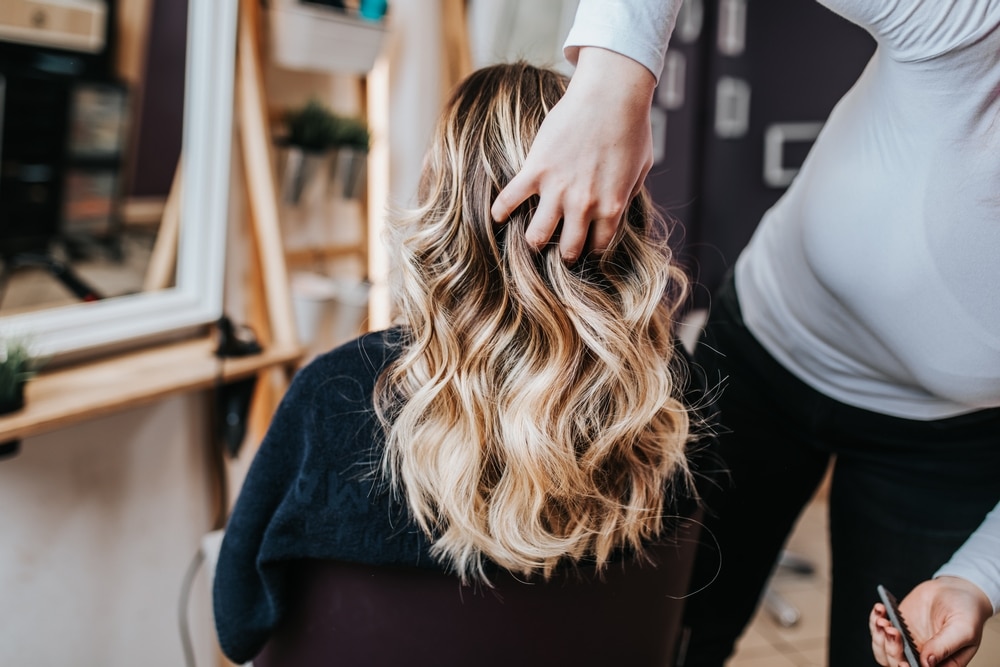
From “expensive brunette” trends to the deconstruction of the “dumb blonde” stereotype, the meaning behind hair color continues to evolve.
So if trends and identity are constantly subject to change, what actually stays consistent?
More than just hair color
To better understand where blonde confidence comes from, I spoke with Meagan Swartwood, Community Manager at Arctic Fox, a brand known for its vegan, non-toxic hair color.
Meagan works closely on trend forecasting and the brand’s most popular formulations, so she’s up-to-date on color trends.
She reiterated that the transformation transcends physical appearance:
“They feel lighter, a little freer, and usually pretty eager to explore. And honestly, if you can sit in that chair and commit to that kind of bold change, you’re probably not someone who shies away from going after what you want in life either. We see it every time.” -Meagan Swartwood
In other words, the “fun” might not come from the color but from finally feeling like yourself in it.
The kind of experience changes how you carry yourself and how willing you are to be seen.
And if that feeling can come from something as simple as a change in hair color, then the idea that blondes have more fun starts to feel less like a fact and more like a reflection of confidence.
So…do blondes really have more fun?
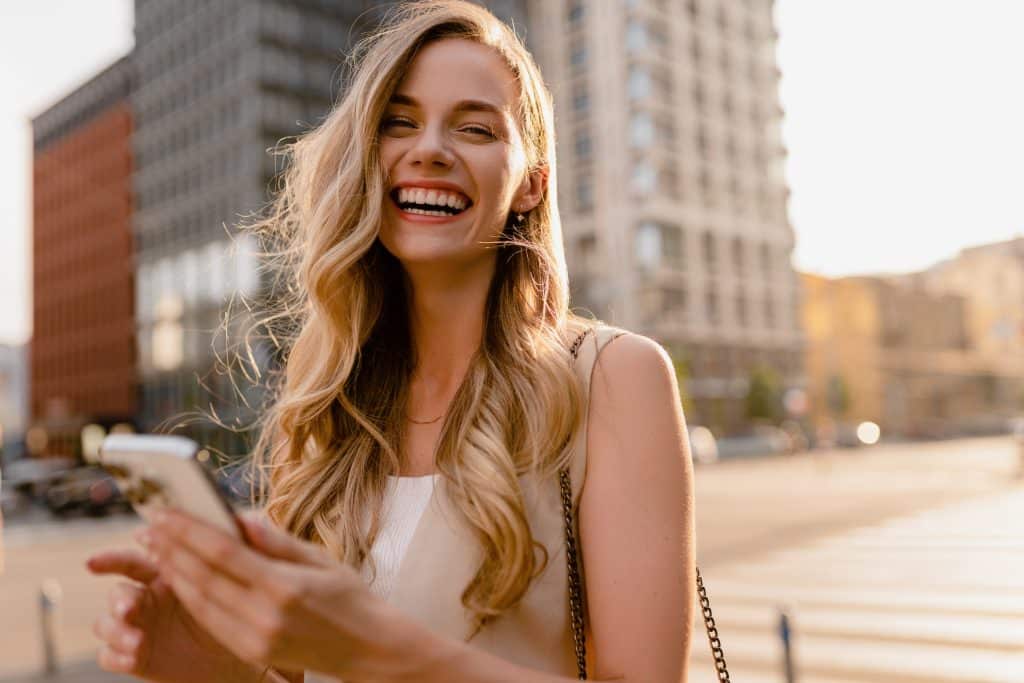
Ava pointed out, “That confidence can make people seem more outgoing—but in reality, they were probably always like that, just not as confident to show it.”
On the other hand, Morgan confessed, “As a blonde myself…I do think blondes have more fun!”
And Meagan offered her perspective for those who are thinking about coming to the light side:
“Here’s what we really want you to hear: Blonde is great, but it’s not the only path to feeling your best. Any color can give you that boost. It’s really just about finding the right shade for the season of life you’re in right now.” -Meagan Swartwood
Because again, at the end of the day, it’s not about being blonde or brunette—it’s about feeling like yourself.
So do blondes really have more fun? Maybe.
Blonde might attract the spotlight, but confidence is what keeps it.