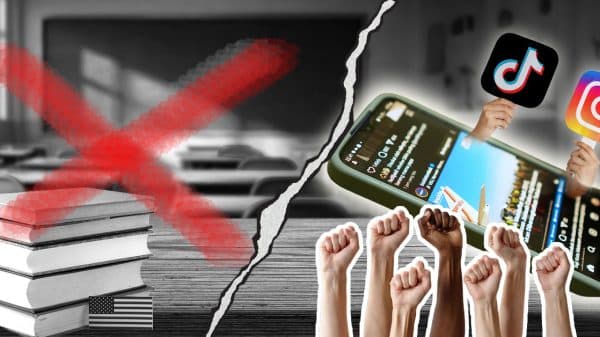
One of the most patriotic things you can do as an American citizen is show up to the polls on Election Day. Voting is an invaluable right that holds our democracy together. Yet, nearly half of eligible voters choose not to participate in presidential elections, with that number rising steeply for other elections.
Primary elections are currently being held in many states to select candidates for this November. Some states, such as Illinois, have already held theirs. Just over a quarter of eligible voters cast a ballot in Illinois this March.
That’s higher than average.
What could be the reason for this low turnout? Are Americans making an active choice not to vote, or are they indifferent? What does this mean about our voting system?
What is voter fatigue?
Too much of anything can cause fatigue, and voting is no exception. Voter fatigue occurs when voters become overwhelmed from constantly being asked to participate in elections. People experiencing voter fatigue are far less likely to vote in the future. They may even begin to disengage from politics altogether.
This raises a question about our electoral system: Are U.S. elections held too frequently?
We generally hold two elections per year, one in the spring and one on the first Tuesday of November. Every six months may seem like a reasonable time frame. However, just because Election Day is only every six months doesn’t mean we only hear about it that often.
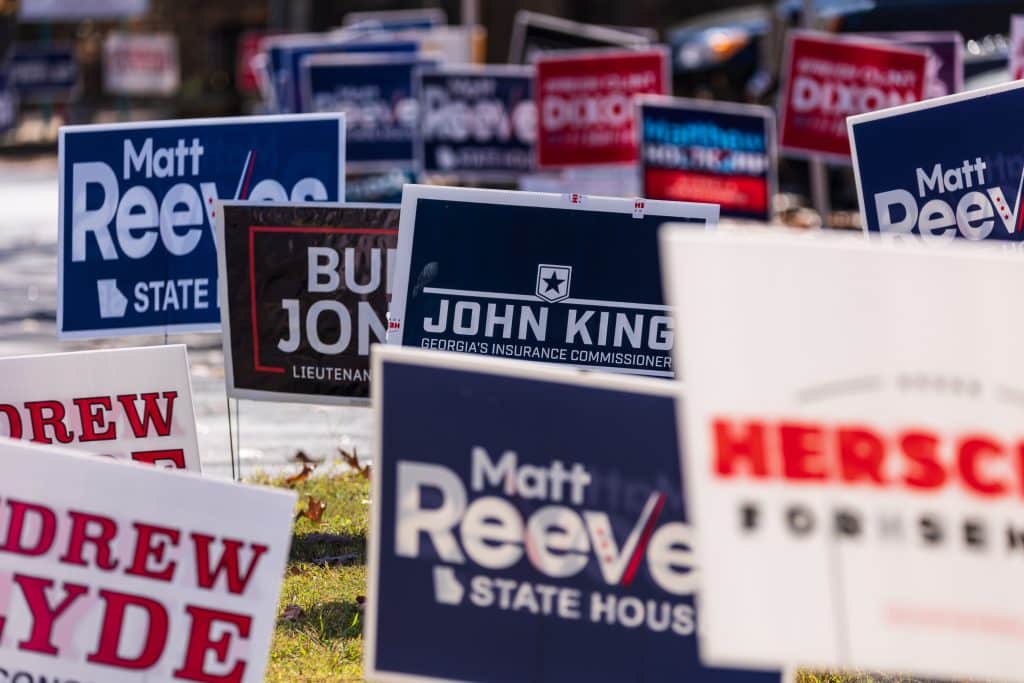
In the weeks leading up to the election, you’ll see campaign ads while scrolling social media. There’ll be signs for candidates along the road. Even people you pass on the street may try to convince you to vote for someone.

Depending on how politically involved your area is, you may start to feel like you can’t get away from politics. No matter where you turn, someone is trying to sell you on a political candidate.
This constant badgering doesn’t motivate people to go out and vote. It does the exact opposite.
This is how voter fatigue starts.
Gradual desensitization
Intentionally consuming political media is a good way to stay in touch with what’s currently happening in local, state, and federal government. Just be careful not to overconsume this content. Staying too in touch can actually start to make you out of touch.
Social media has made it easier than ever to desensitize ourselves to issues around us, including political issues. When each headline seems to be more ludicrous than the last, it becomes easy to tune it all out. Even someone making a passionate effort to stay politically aware may begin to lose interest over time.
This is another way voter fatigue can manifest.
Of course, the other extreme, which is paying no attention to political news at all, is no better. You wanted to be updated enough to make an informed decision on Election Day, but not stay so involved that you burn out.
Every election matters
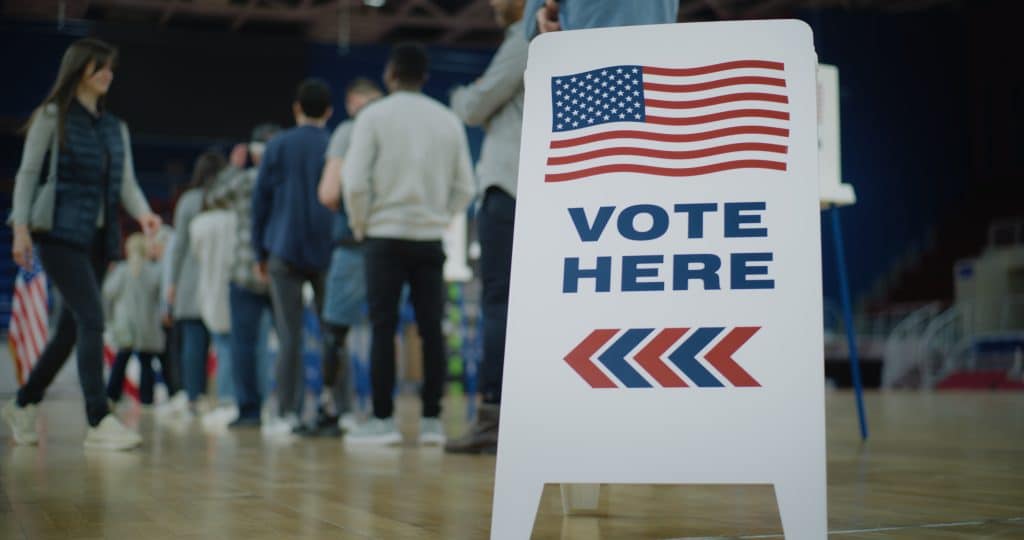
You may know a friend or family member who only votes every four years in the presidential election, when it “actually matters.”
This false narrative is part of the reason we have such low turnout in non-presidential elections. The President is the face of the country, but is not the only important official we elect. All of our elected officials play a role in our lives.
Senators are currently being elected in many states. They are responsible for voting on new legislation before it gets sent to the President for approval.
This includes the SAVE Act, which will make it more difficult for many Americans to participate in elections if it passes, especially married women and transgender individuals.
Senators have many other responsibilities, such as negotiating the federal budget. You might be a student, and they may approve a budget that cuts funds to schools. It is important to know whether or not their interests and priorities align with yours.
Don’t be fooled into thinking elections like these are insignificant. Some of the names on the ballot may have more influence than you think.
Home court advantage
We know now that voter fatigue and election misconceptions lead to lower turnout. Why is that important?
Politicians have a home court advantage. Not voting is a vote for the majority.
An officeholder running for re-election is called an incumbent. Incumbents have a significant advantage in elections. They will almost always have more money to spend on campaigning. On top of that, they won’t need to campaign as much as their opponent due to name recognition. People are more likely to vote for a name they’ve heard before.
This is one of the reasons President Trump wants Congress to pass the SAVE Act. More voting requirements will decrease voter turnout in future elections. Lower voter turnout will increase the likelihood that his party maintains a majority in the White House.
All of that said, not participating in an election is not a neutral choice. Even in cases where you find every candidate unfavorable, you should still vote one way or the other. If you don’t challenge the status quo by voting against the incumbent, you are accepting that they will probably win.
View on Threads
Vote.
It’s easy to look at voting (and politics) as just another chore, but never underestimate the importance of a vote.
We hold elections to give citizens the power to decide what candidates are most fit to hold office. This is known as popular sovereignty, or “consent of the governed,” meaning that government officials only have as much power as the people give them. Voting is choosing who you believe deserves that power.
Politicians have an agenda before they enter office. Whether you decide to vote or not, these officials will make decisions that impact you. You can either be a passive subject or an active participant in driving change.