Robert F Kennedy Jr. changed what millions of Americans will put on their plates. With 60 percent of the nation’s health issues related to diet. The Department of Health and Human Services decided to combat this issue by flipping the food pyramid around and telling Americans to eat real food.
RJK Jr. went from running for president in 2024 to being appointed as Secretary of Health and Human Services in 2025. It was a shift that aligned with his anti-vaccine ideals and mission against the public health bureaucracies. Although this new guideline has caught many Americans’ attention, it is not the first time.
The food pyramid has been a staple in doctors’ offices and schools on how to eat balanced meals in order to stay healthy. Between 1992 and 2011, American school children received food pyramids to take home.
Though by 2011 the U.S. had stopped using the traditional food pyramid and instead opted for a more visual appeal from ‘my pyramid’ in 2005 and ‘my plate’ in 2011.
Those changes compared to the inverted food pyramid, Robert F. Kennedy. Jr., the Secretary ofthe U.S. The Department of Health and Human Services announced, as of Jan. 7, 2026, that it is causing various reactions among the public and health experts.
The Original Food Pyramid
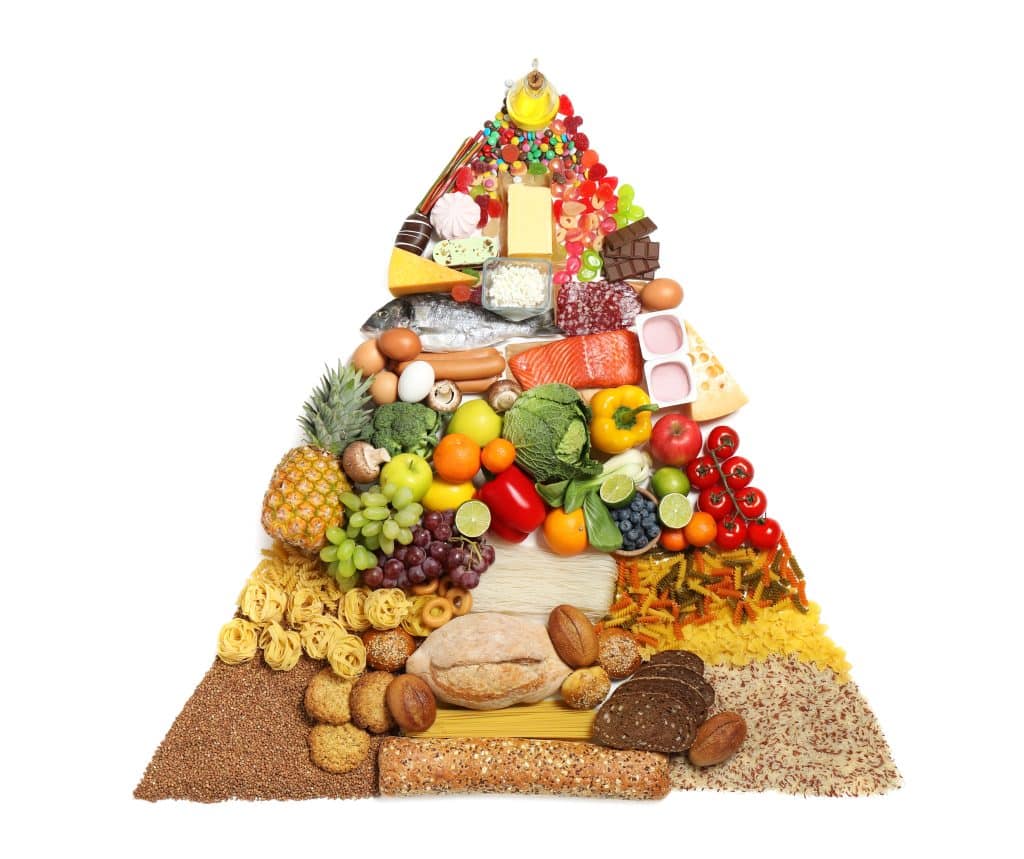
The USDA Food Guide Pyramid officially introduced the guidelines, the main goal of which was to address nutritional deficiencies and suggest a more balanced diet approach for Americans to reduce chronic illnesses such as diabetes and obesity. However, the original food pyramid also faced criticism from health experts and controversy among the public.
It led people to misinterpret the guidelines as they turned to low-fat foods with high amounts of sugar, believing it was the healthier option. When in reality it tripled obesity rates and diabetes in 30 years during that time period.
It contributed to the main reasons experts critiqued the large recommendation of carbohydrates such as bread, grains and pasta. Will this new inverted food pyramid have similar results?

Out With the Old Food Pyramid & In With the Inverted Version
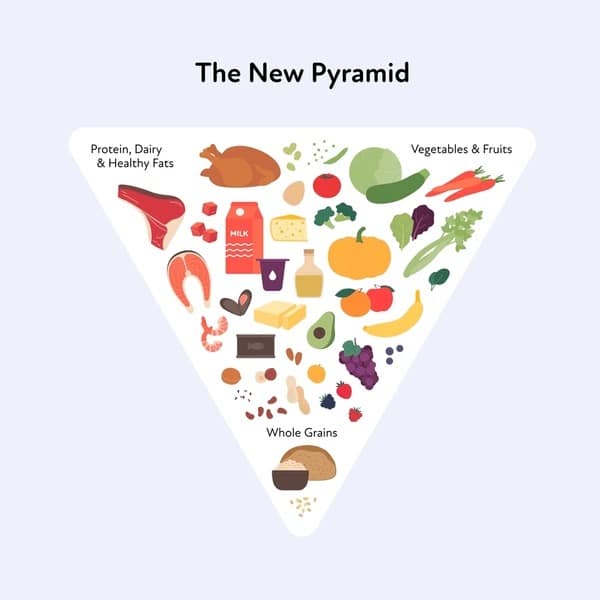
The inverted food pyramid prioritizes high quality proteins, healthy fats and dairy as the base moving away from carbohydrates empties in the original food pyramid. Robert Kennedy Jr. goal is not distinct from previous missions on making America Healthy again. It is taken into consideration whether or not the intentions behind RFK JR. guidelines also have something to do with agricultural lobbying.
It involves farmers and environmentalists from the industry to advocate for policies that impact their practice/business. So, if protein is supposed to be a significant part of a meal, profits for those industries will increase.
For instance, the original food pyramid led the public to misinterpret the large serving of carbohydrates as processed sugars and carbs. It’s one of the reasons 70% of calories Americans consume come from ultra-processed foods.
It allowed for brands to push products that were low-fat but high carbs (or high sugar). It made people believe they were eating healthy as companies kept on increasing their profits off of that notion. Nonetheless, the basic premise of the food pyramids have their differences yet similar hidden agendas.
Confusion and Misinterpretation
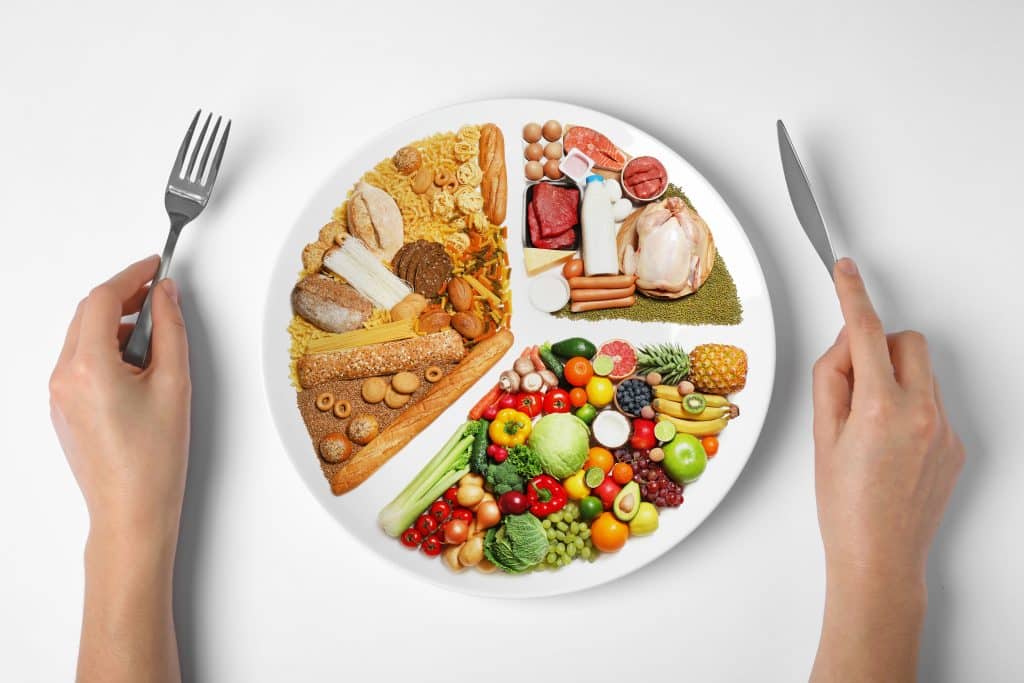
In addition to similar hidden agendas, both guidelines lack clarity. The three main points the original food pyramid failed to address were: the difference between healthy and unhealthy fats, different kinds of protein and the large serving sizes.
As for the new food pyramid, it doesn’t specify the amount of intake for a balanced diet and lacks evidence supporting high-fat foods and a protein diet. There is a similar pattern happening with these guideline changes, even though the mission is supposed to help Americans eat right.
Let the health experts talk

Due to the constant changes and lack of results, it stirred controversy among experts and the public. On one side, experts believe the inverted food pyramid will pivot American diets into a healthier direction. Due to the cutback of processed food, grains, and added sugars.
On the other hand, some experts believe that there are contradictions to the new food pyramid. This will impact the future of cardiovascular disease with the push to consume saturated fats such as butter and cheese.
Nutrition epidemiologist and co-director of the Global Food Research Program at UNC Chapel Hill, Lindsey Smith Taillie, pointed out the US took so long to say something about diets because those who previously funded the Dietary Guidelines Scientific Committee were organizations that produced ultra-processed foods.
Clearly, there are many reasons for experts to be torn at this new inversion that will be a staple in everyone’s life.
The Economic Battle of What Goes on Your Plate

With that being said, it will be a struggle for many Americans to practice this new diet because of economic challenges. Prices of protein such as ground beef have risen 15.5% since last year. With Cattle’s inventory dropping to the lowest it has in 70 years, these prices will keep on rising.
The New Yorker reported grocery bills will soar, and feeding a family of four will be roughly $36,400 per year. It raises the question, will only a certain group of people be able to maintain this new diet? What about the health of the rest of the Americans who can’t afford to uphold these new guidelines?
The changes may seem simple, but external factors play a huge role in what goes on our plates. When creating these new guidelines health equity is excluded from the conversation and research.
An article from TotalWellness highlighted the little acknowledgement of affordability, access, and social conditions that influence how people actually eat. The lack of consideration will deter people from the mission of “eating real food” and sticking to what they are already accustomed to when external factors aren’t shifting in their favour.
Will Flipping the Food Pyramid do the Trick?
There’s this constant back and forth when it comes to the U.S diet. Each version of the guidelines creates its own controversy among the public, experts and industries. It becomes unclear on who’s really benefiting from it when they all contradict one another.
When there’s no consideration for socioeconomic factors that affect what people decide to put on their plate. It is important to acknowledge the health inequality, contradictions, and unclear directions because it will be the new staple in homes, schools and medical institutions.
It will take time to see changes in health records to know whether or not flipping the food pyramid will make a difference. Discussion surrounding food can be simple at times. It is what fuels our body and we all need it to survive.
It becomes complicated when what you eat becomes a prominent part of the conversation. Americans aren’t willing to accept this change for reasons ranging from lack of trust to economic hardships. Perhaps it’s better if everyone does what they believe is best for them.