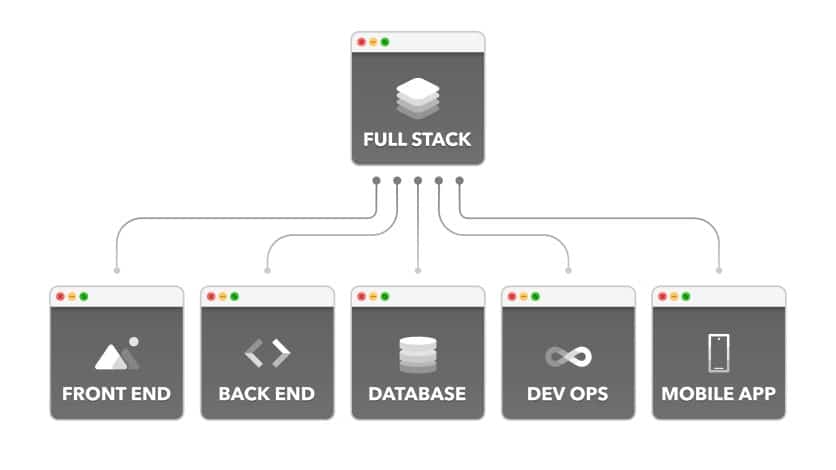
Launching your first startup product in 2026 can feel overwhelming. One wrong tech decision and suddenly you’re stuck with slow development, expensive engineers, or a product that can’t scale when users finally show up. No pressure, right?
Here’s what Gen Z founders are figuring out fast: your MVP doesn’t need to be perfect – it needs to ship. The right tech stack isn’t about chasing trends or flexing the newest framework on X. It’s about choosing tools that let you move fast, learn from real users, and pivot without rebuilding everything from scratch.
Why Your MVP Tech Choices Matter More Than You Think
Every technology choice you make now has long-term consequences. Your stack affects how quickly you can launch, how easy it is to hire developers, and how painful future changes will be.
Popular tools like React or Node.js aren’t just hype – they come with massive communities and talent pools. That matters when your startup is running on limited time and money. According to Harvard Business Review, startups that prioritize fast iteration and user feedback are significantly more likely to survive past their early stages.
If your goal is to grow from an MVP into a real brand, your foundations matter. Not because they need to last forever, but because they shouldn’t slow you down when momentum finally hits.
Backend Framework: Speed vs. Future Flexibility
Backend choices should reflect what you’re building – not what’s trending on developer TikTok.
Node.js (Express or Fastify) is ideal for real-time products, social platforms, and apps with lots of client-server interaction. If your team already knows JavaScript, Node keeps everything in one language and speeds up development. Just be careful with CPU-heavy workloads.
Python (FastAPI or Django) is still a favorite for data-heavy products, automation, or AI-powered features. FastAPI is especially MVP-friendly thanks to clean APIs and automatic documentation. Performance is good enough for validation, which is what matters early on.

Go is best for products expecting rapid growth or complex backend logic. It’s fast, scalable, and reliable – but it comes with a steeper learning curve. For many MVPs, it’s powerful but unnecessary at the start.
Frontend Decisions: React, Vue, or Something Else?
Frontend trends change fast, but MVPs benefit from stability.
- React remains the safest choice with the largest ecosystem and talent pool.
- Vue 3 is approachable, well-documented, and great for smaller teams.
- Svelte offers excellent performance with minimal code, but has a smaller community.
No matter which framework you choose, meta-frameworks like Next.js or Nuxt are basically standard in 2026. They handle routing, SEO, and performance out of the box – and yes, SEO still matters even if you’re “just testing an idea.”

Database Strategy: Start Simple But Plan for Growth
Most MVPs should start with PostgreSQL. It’s flexible, powerful, and capable of handling relational data, JSON, and full-text search in one place. Running one solid database is far less stressful than juggling multiple systems early on.
Tools like MongoDB or Firebase make sense only if your product truly needs flexible schemas or real-time sync. According to Stack Overflow’s Developer Survey, PostgreSQL remains one of the most trusted and loved databases among developers (Stack Overflow Developer Survey – Databases).
Infrastructure and Deployment: Cloud Choices That Matter
If you’re still validating your idea, skip complex cloud setups.
Platforms like Vercel or Netlify are perfect for frontend deployment, while Railway, Render, or Fly.io simplify backend hosting and databases. They’re cheaper, faster to set up, and won’t drain your energy.
Avoid Kubernetes and microservices at the MVP stage. Those tools solve scale problems you probably don’t have yet.
If you’re interested in how startups and technology trends are evolving culturally, Trill Mag has explored this shift in How AI and Startups Are Reshaping the Future of Work, which dives deeper into how young founders are building differently today.
Final Word
The right tech stack isn’t about picking the “best” tools – it’s about choosing tools that fit your current reality. Start by auditing your team’s existing skills and build with what you already know.
If you don’t have an in-house tech team or want to avoid expensive early mistakes, working with a startup mvp development service can help you navigate these decisions while keeping the focus on shipping and learning, not overengineering.
Your MVP stack doesn’t need to last forever. It just needs to get you to real users and real feedback – fast.