


Neil Gaiman’s The Sandman just launched its second season on Netflix, and It is getting a new series soon. Harry Potter is so popular it’s getting a second adaptation, and Charlie and the Chocolate Factory has three. What do these works all have in common? They’re adaptations of books and comics written by controversial people at best, and downright wicked at worst.
Is it okay to like these works anyway? Is there a difference between supporting the original work and an adaptation? What about if the original creator isn’t even alive to collect royalties? I’ll explore these questions as I dive into five examples.
1) It – Steven King
I wanted to begin with someone that’s controversial, but hasn’t done anything outright criminal or evil. Steven King is a very prolific horror author. His works have received many film adaptations over the years. Some have been successful (e.g. Misery, The Shining) and some less so (e.g. The Dark Tower). One of his works, It, is even receiving a new TV show this October in the form of It: Welcome to Derry.
So, what’s wrong with King? Luckily, it isn’t anything too terrible. It is pretty well known that Steven King was really into drugs in the 80s. This by itself shouldn’t be too controversial. He was a man who needed help and, after an intervention, was able to sober up. No one should be blamed for an addiction, especially after recovering.
The problem is one specific book, one of his most beloved novels, that he wrote while abusing drugs: the It novel itself. It, which has received both TV and film duology adaptations, is one of King’s most popular works not just in the literary space but also the film world. The controversy comes near the end of the book, in one of the final child flashbacks. For whatever reason, he opted to write an extremely detailed, intimate scene between the cast of child characters in the book. To no surprise, this was cut from the movie, but it is still one of his biggest controversies 40 years later.
So should you boycott King, and not watch the upcoming Welcome to Derry show? I would say of course not. He is a very different man than he was 40 years ago, and still writes great novels to this day, having left some of his racier choices in the past.
2) The Cat in the Hat – Dr. Seuss
Everyone grew up with Theodor Seuss Geisel, better known as Dr. Seuss. Popular since the 50s, some of his works include Horton Hears a Who, The Lorax, and, of course, The Cat in the Hat. Like King, he is no stranger to adaptations, with all three of those receiving movies in just the last two decades.
Unfortunately, likely as a product of his time, Seuss’s works were often ripe with racism. In 2021, six of his novels were pulled from shelves for extremely stereotypical depictions of minorities, often Asian and African ethnic groups.

In February of next year, The Cat in the Hat, presumably racism-free, is receiving an animated adaptation starring Bill Hader. Given Seuss’s racist views, should anyone support this movie? I would say the answer is easy because, well, Seuss is dead, and has been for 30 years. Even if Seuss was a truly wicked man, which I don’t believe he was, supporting this work in no way supports him or shows an alliance with his problematic views.
3) Wonka – Roald Dahl
Roald Dahl is another very well known children’s author, who also passed several decades ago. Some of his most famous works include James and the Giant Peach, Matilda, and Charlie and the Chocolate Factory. The latter of those has received three adaptations since the original book’s release, with the most recent being 2023’s Wonka.
Dahl’s worlds, like Seuss, are filled with magic and wonder. He had a macabre side, with his stories often pitting children in horrible, abusive situations; a controversy on its own. Some parents thought the works themselves were too dark. Even the adaptations weren’t without the same flaws. Anyone remember the Tunnel of Terror scene from the original Wonka movie?
Beyond that, Dahl was, candidly, kind of a terrible person. He was very openly anti-semitic, with his opinions on the holocaust freely available and spouted to the public, never retracted.
Dahl also had an eleven year long affair with a woman, cheating on his disabled wife who had suffered a series of aneurysms while pregnant with his child. He subsequently left his wife and married the mistress, now Felicity Dahl.
So what about Wonka? Well, like Seuss, it doesn’t matter how vile Dahl was: he isn’t here to profit off his works, much less adaptations. If you want to see Timothee Chalamet sing about chocolate, rest assured that you can do that guilt free.
4) Harry Potter – JK Rowling
JK Rowling is a woman who needs no introduction. She wrote, arguably, the most popular book series of all time. We will almost likely never see a launch party like Deathly Hallows again for the rest of time. All eight adaptations (please ignore Fantastic Beasts), did extremely well, with three of the films being the highest grossing movies the year they came out.
It’s hard to think that Rowling was once made fun of for retroactively declaring characters as gay, a somewhat progressive move in a time before the legalization of gay marriage. Sadly, over the last several years, Rowling has opted to position herself as openly opposed to trans people, often trans women. She is what is referred to as a TERF, a trans-exclusionary radical feminist. She seemingly has fairly liberal values, but her acceptance does not include trans people. Rowling tends to lash out on twitter against anyone who disagrees with her, and harbors a lot of hate for an extremely oppressed group, for whatever unknown reason.
All that being said, it makes it a little hard for me to be excited about the upcoming Harry Potter reboot.
Unlike the previous examples, Rowling did something worth condemning, that she is still alive to stand by (and does). Although already a billionaire, it is inevitable that she’ll rake in millions if the reboot is successful. However, many of the young actors and actresses that will be involved probably deserve to experience the success of the reboot. Ultimately, it comes down to what you, the consumer, want to support. As they say, vote with your wallet.
5) The Sandman – Neil Gaiman
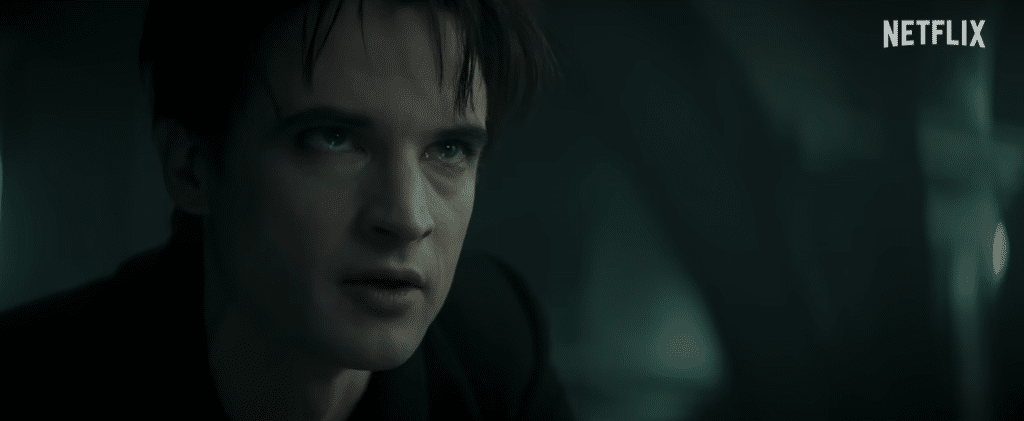
Finally, there’s Neil Gaiman. Likely the least prolific of the five authors mentioned, he is arguably the most vile. His most popular works include Coraline, mostly for its adaptation, and Good Omens. Netflix’s The Sandman also just finished its second and final season, based on Gaiman’s comic book he wrote for DC Comics.
Over the last year, rampant acts of sexual misconduct have been levied against Neil Gaiman by those he had known on a personal level. Although he has denied the lack of consent in these encounters, he hasn’t outright denied that they happened.
Some of his adapted works were completed despite the controversy, such as The Sandman, but other works were affected. Amazon Prime’s Good Omens adaptation was meant to receive a third and final season, but is now ending with a 90 minute special instead.
Similar to Rowling, I find it difficult to want to support Neil Gaiman’s works anymore, adaptations included. I love the Good Omens book, and would like to think that it was Terry Pratchett, the co-author, who made it great. I had planned to see the adaptation through, but do I really want to support such a terrible person? Then again, he isn’t the one making the shows. Perhaps all the innocent writers, actors, actresses, and other members of production deserve support. Once again, it’s difficult to say definitively, and ultimately up to the individual.
Separating art from the artist
You could spend eternity picking apart any work and the people behind it, especially TV shows and movies. Plenty of unsavory characters like Neil Gaiman are involved with Hollywood all the time, and likely profit off of some of your favorite sources of entertainment. However, plenty of wonderful people can be involved in an adaptation originally written by a horrible person.
I can’t tell you where to draw the line with what you’re willing to support. Sometimes terrible people will benefit, and sometimes they aren’t around anymore for it to matter one way or the other. If nothing else, I ask you be consistent with your wallet.










Gwen
September 20, 2025 at 5:30 pm
I think living in a post-internet world where faults and crimes bubble to the surface of public opinion so easily, we all have to personally grapple with how we separate the art from the artist. As individual consumers of mass-produce pieces of art and literature, we have to negotiate privately how the devil makes beauty, and how much we can freely endorse. It’s a weird world we live in; and we have to cling to its beauty sometimes by turning a blind eye.