

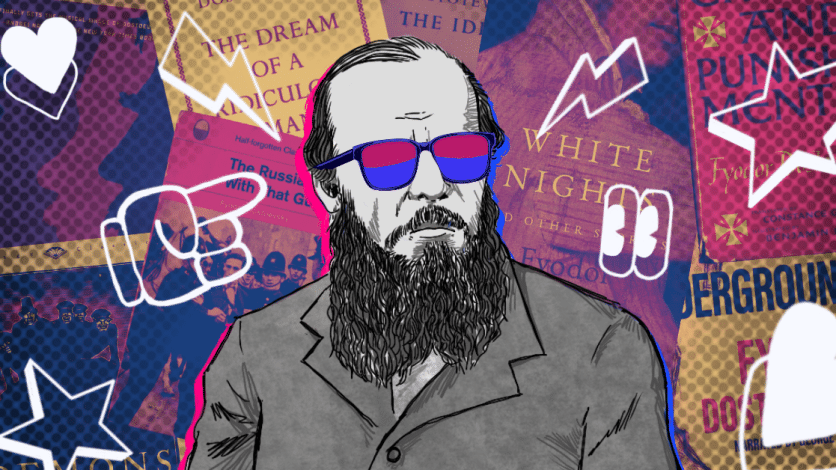
A famous 19th-century thinker is now the favorite subject of TiktTok edits. Let’s dive into Gen Z’s obsession with Dostoevsky. Of course, the pure aesthetics of his dark and gritty work play no small part in this sudden resurgence. Yet beyond the doomer memes, Dostoevsky’s literature has also moved on to capture the hearts and imagination of Gen Z. How and why—I’d venture to say the answer is more nuanced than just “impeccable vibes” alone.
If you’ve scoured the internet and landed on BookTok, you’re likely to have seen at least one edit starring Dostoevsky. At first glance, I chalked it up to being another niche and short-term craze. But Dostoevsky proved me wrong with his staying power, and more than that, the discourse his writing managed to spark within Gen Z reading circles.
To fully understand the reason behind this phenomenon, let’s go back to the very root: the life and mishaps of a radical Russian writer.
Dostoevsky, his youth, and his criminal fascination
When reason fails, the devil helps!
Crime and Punishment.
Born in 1821 to a stern army doctor and a passive mother, Dostoevsky’s life is nothing short of dramatic. Perhaps that fact also sheds light on the nature of his works. The sudden death of his father, which was contested as a murder, led to his preoccupation with crime and, oftentimes, violent death.
He grew up to an active young writer in one of the most turbulent and changing periods of Russian literature. Consequently, Dostoevsky and his friends were tried and condemned to be shot by a firing squad. Yet shortly before their execution, a messenger from the Tsar announced that the whole thing had been a warning display (basically, a cruel prank). Instead, the Tsar decreed exile. Dostoevsky’s close call with death served as a catalyst for a major change in his ideology.
While serving his sentence in the unforgiving cold of Siberia, he formulated his widely known theory on the necessity of suffering. This would go on to be a cornerstone of his persona as a writer.
Pain and suffering are always inevitable for a large intelligence and a deep heart.
Crime and Punishment.
Why we’re experiencing a Dostoevsky renaissance
So how has Gen Z rediscovered and revitalized interest in Dostoevsky? In 2024, a Dostoevsky content boom took over various social media platforms. Crime and Punishment transformed into a cult classic on nearly every “What to Read” guide. TikToks centered around Dostoevsky quotes began to rack up hundreds of thousands of likes. His name became cemented alongside those of George Orwell, Mary Shelley, and F. Scott Fitzgerald in the Gen Z zeitgeist.
Undoubtedly, the unique angle of Dostoevsky’s works strikes a chord with Gen Z. His novels fit neatly into the “Dark Academia” aesthetic that has dominated BookTok since the early 2020s. Much like other works within this internet aesthetic, they give us both the gloomy atmosphere and heavy societal critiques that modern readers desire.

There’s a part of all of us in Fyodor
Post-culture existentialism
Although it’s hard to lump all of Gen Z under one ideological umbrella, one movement in particular stands out: postmodernism. Skepticism toward traditional grand narratives, globalization, and a drive for personal meaning are the defining characteristics of this generation’s world view.
So how does everything tie into the philosophy of a writer who lived two centuries ago? One primary subject of Dostoevsky’s works is finding meaning amidst chaotic and meaningless circumstances. Why do—and why should—we trudge on even when we carry burdens of loneliness, guilt, and shame? Where do we go when real life and its very real horrors do not give us any easy way out? Well, here’s what Dostoevsky proposes:
The mystery of human existence lies not in just staying alive, but in finding something to live for.
The Brothers Karamazov.
Dostoevsky doesn’t tell you what the answer is—his raw and gut-punching stories implore readers to dig deep within themselves. They ask us to confront the uncomfortable realities of human nature. Then they ask us to find meaning, not just in spite of, but from dealing with the turmoil within.
A realistic, but thrilling, psychological minefield
Gen Z is often regarded as the most mental health-conscious generation, with an understanding of mental illnesses and disorders that sets them apart from previous generations. In addition to being a literary writer, Dostoevsky also worked as a psychologist, a perfect match for captivating readers.
Known as the pioneer of psychological realism, Dostoevsky writes his characters in a unique way that allows us to vividly experience their thoughts. Dostoevsky does not shy away from thoughts-that-should-stay-hidden, either. What makes his work stand out even further is the fact that his characters are, frankly, almost never mentally sound.
I’ll simply tell it in order. (Order!) Gentlemen, I’m far from being a literary man, as you’ll see, well, so be it, but I’ll tell it as I myself understand it. That’s the horror of it for me, that I understand everything!
The Meek One.
A good way to spot any Dostoevsky work—aside from the suffering and self-deprecation—is the constant streams of consciousness. Although his long paragraphs can scare off new readers, they reflect how real-life people think on a structural level. This makes moments of mental clarity feel truly earned amidst long stretches of confusion and delirium.
We immediately glimpse that none of his narrators are fully reliable. Not only does that raise the stakes; it also conjures a sense of relatability.
Brief guide to reading Dostoevsky
If you are a first-time reader or a returning fan looking for recommendations, then here is a short and sweet guide on where to get started.
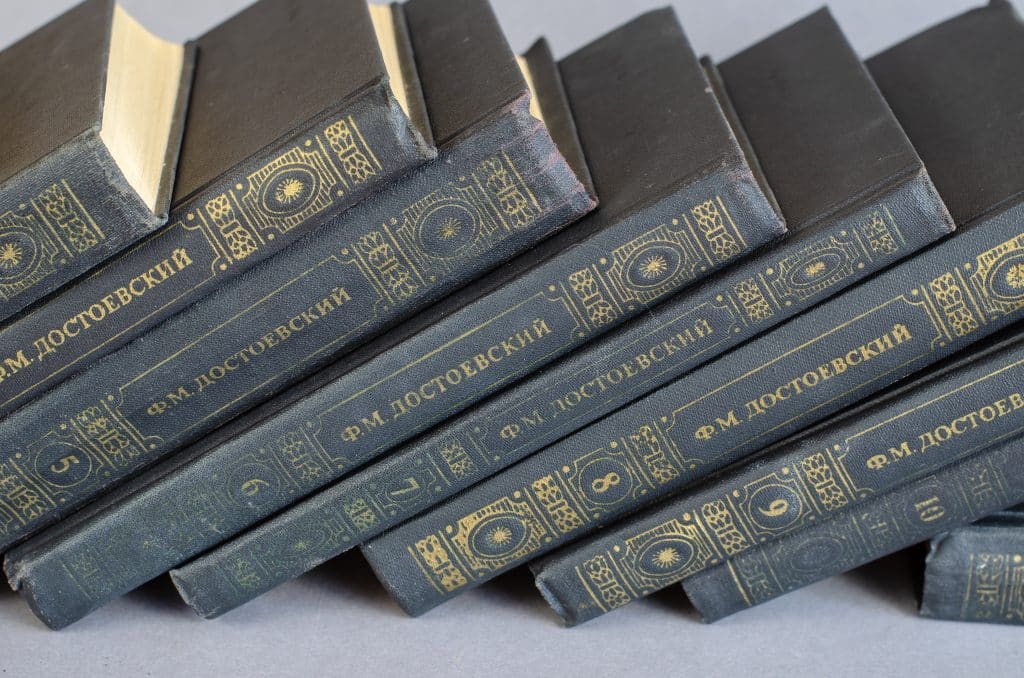
The internet’s beloved
His most iconic set piece, Crime & Punishment, tells the tale of a tortured student wrapping his head around a gruesome murder. From the synopsis alone, one can already glimpse why it is the Dark Academia movement’s favorite child. If you’re into examining the mental limits of a person, brutal violence, and a twinge of redemption, this novel offers it all.
Next up is the internet’s rising star: White Nights, a lighter read centered around unrequited love, loneliness, and bittersweet idealism. Although it lacks the iconic flavor of heavy existentialism that characterizes his later works, the short story has risen to unprecedented popularity, becoming the fourth best-selling work of literature in translation in the UK.

The underdogs
On the other hand, if you’re looking for full-on existentialist ideological discourse, check out Notes From the Underground. This shorter epistolary novel encompasses a man’s passionate argument against social utopianism while he is isolated from society as a whole.
The Gambler is another less popular but still well-received work. Dostoevsky pumped out its manuscript when he was, funnily enough, trying to pay off his gambling debts. The novel follows a tutor as he finds himself increasingly pulled into gambling in an attempt to win love from a woman.
The not-so-hidden gems
We’ve touched on Crime and Punishment, but did you know that it is only considered one out of Dostoevsky’s four masterpieces? Let’s take a look at the rest.
Adding to the exploring-a-corrupt-world lineup, The Idiot tells the story of a sincere prince caught up in a messy love triangle and social degradation. Fair warning, the ending is not pretty, but the title will make more and more sense as you and the protagonist finish your journey of mental anguish.
Also known as The Devils or Demons, The Possessed is a rather complex satire novel. The plot revolves around the drama of a small town taken over by political revolutionaries. Characters soon internalize radical but vague ideologies. This leads to a whole lot of chaos best described as modern political extremism in a microcosm.
Last but not least, critics often cite The Brothers Karamazov as Dostoevsky’s masterpiece—a culmination of all his best works. As two brothers struggle to reconcile under the pretext of an irreconcilable murder mystery, the novel dissects ideas of faith, reason, love and the human condition. Sit back, relax, and enjoy watching a vividly characterized cast lose themselves over a psychological dumpster fire (in the best possible way).
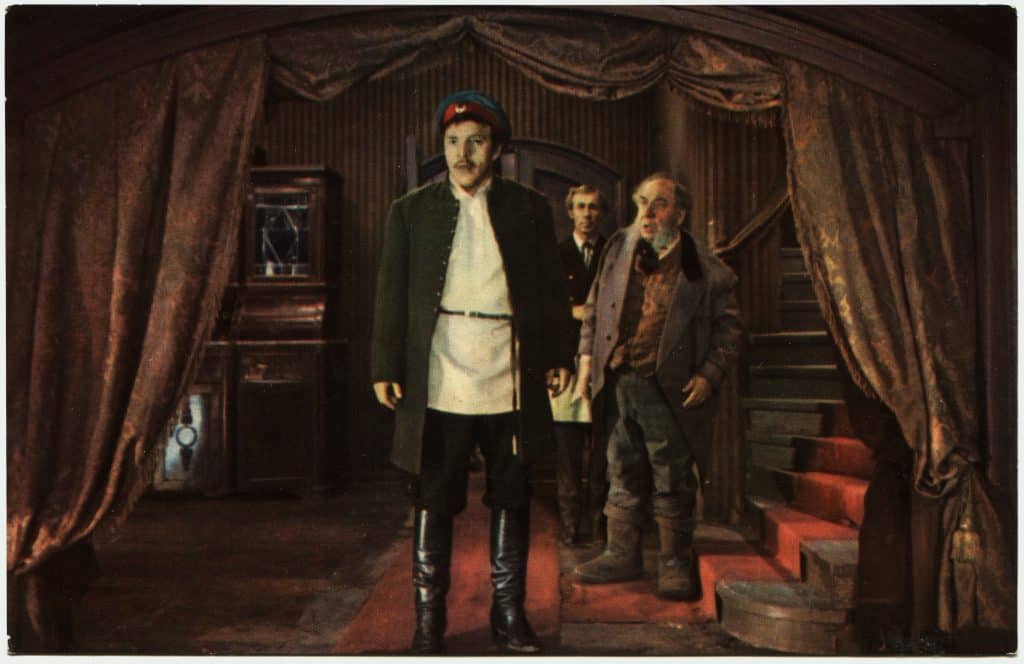
Some things to watch out for
For all first-timers, one key thing with reading Dostoevsky in particular and Russian literature in general is to take your time with it. Such works are famous for being densely packed with plot details. Trying to speedrun the novels will likely result in you getting lost, both narratively and thematically.
Remember to make notes of major characters’ names early on. Russian characters usually go by two to three names. Some mental prepwork will save you from constantly going “Wait, who?”
Don’t get discouraged if you feel like certain parts drag on forever (trust me—they do). All that build-up makes the resolution ten times more satisfying. By the end of your journey, you just might have found something life-changing in Dostoevsky’s collection of literary masterworks.













Milo
September 12, 2025 at 3:42 am
Very nice very sexy very deep