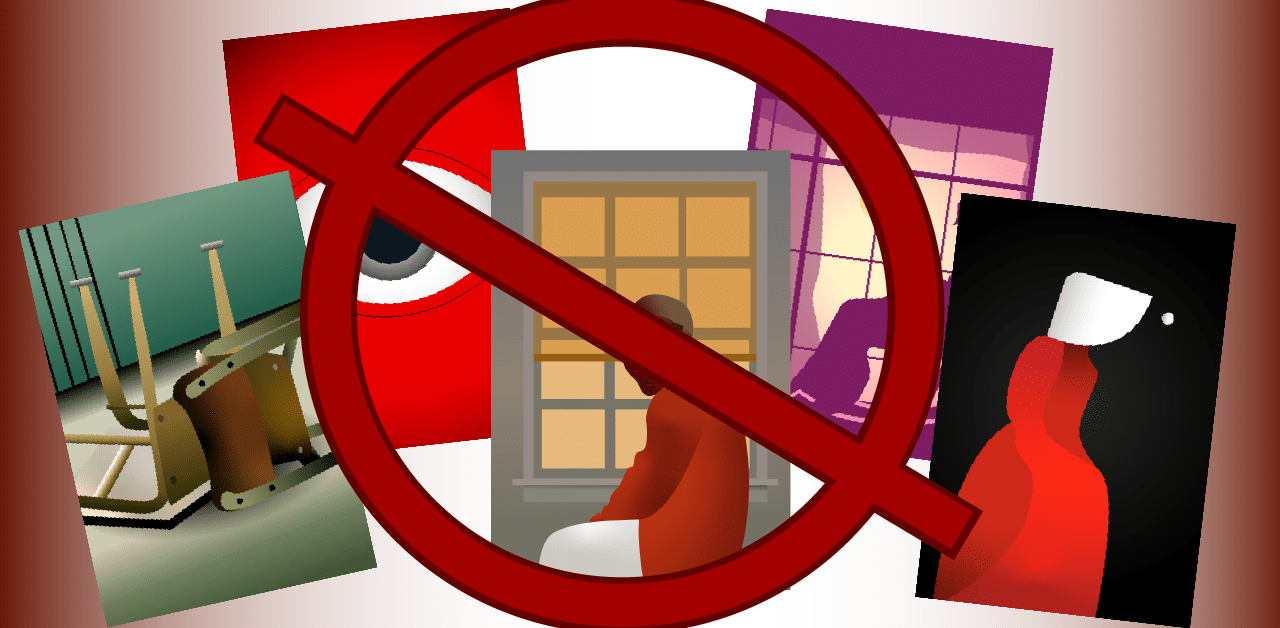
According to PEN American, book bans nationwide rose a dramatic 200% from 2023 to 2024.
People ban books for a variety of reasons, ranging from sexual content, offensive language, violence, racism, LGBTQ+ content, political views, religious views, and general inappropriateness. Indeed, these topics can be uncomfortable to some, but having diverse perspectives and ideas is important. They promote critical thinking, empathy, and understanding between people from different backgrounds.
One of the best ways to protest book banning is to read a banned book. The following five books have been frequently banned across the United States, but they provide valuable insights on society, humanity, and culture.
Nineteen Minutes by Jodi Picoult

Nineteen Minutes (2008) by Jodi Picoult. Credit: Amazon
Nineteen Minutes is a haunting narrative about a school shooting that upends a small New Hampshire town. Surprisingly, it was also the most banned book of the 2023-2024 school year. As many as 98 school districts nationwide have banned the book.
The book follows the lives of Peter Houghton, the school shooter, and other members of the community working to make sense of the tragedy. Picoult explores themes of bullying, love, and loss as she tells the story of the 17-year-old school shooter and the town facing the fallout from his actions.
Despite the violent and distressing nature of the book, the school shooting is not typically cited as the reason the book is banned. In an interview with the BBC, Picoult said that people target Nineteen Minutes not because of the shooting scenes, but because of her usage of anatomically correct words for the human body such as the word “erection.” Nineteen Minutes offers an inside look at the complexity of family, community, and the human species.

The Bluest Eye by Toni Morrison
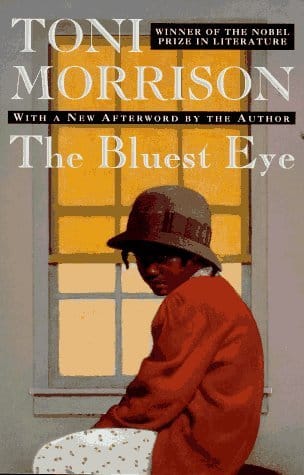
The Bluest Eye (1970) by Toni Morrison. Credit: Amazon
Published in 1970, The Bluest Eye was famed author Toni Morrison’s first published book.
The book tells the story of 11-year-old Pecola Breedlove, a young black girl from Lorain, Ohio. Set in the 1940s, the book explores themes of racism and beauty standards as Pecola develops an inferiority complex due to her dark skin. Pecola longs for blue eyes, a symbol of beauty and privilege.
At home, Pecola faces abuse and neglect. Her father is a drunk, her brother constantly runs away, and her mother suffers from the same feelings of inferiority that plague Pecola.
The Bluest Eye is a common title on the American Library Association’s list of most challenged books. Numerous school districts and libraries ban the book because it depicts sexual abuse and is considered sexually explicit.
Despite all of the pain, Morrison weaves a poetic story to address the harm that racism, self-hatred, and generational trauma can inflict on children.
The Color Purple by Alice Walker
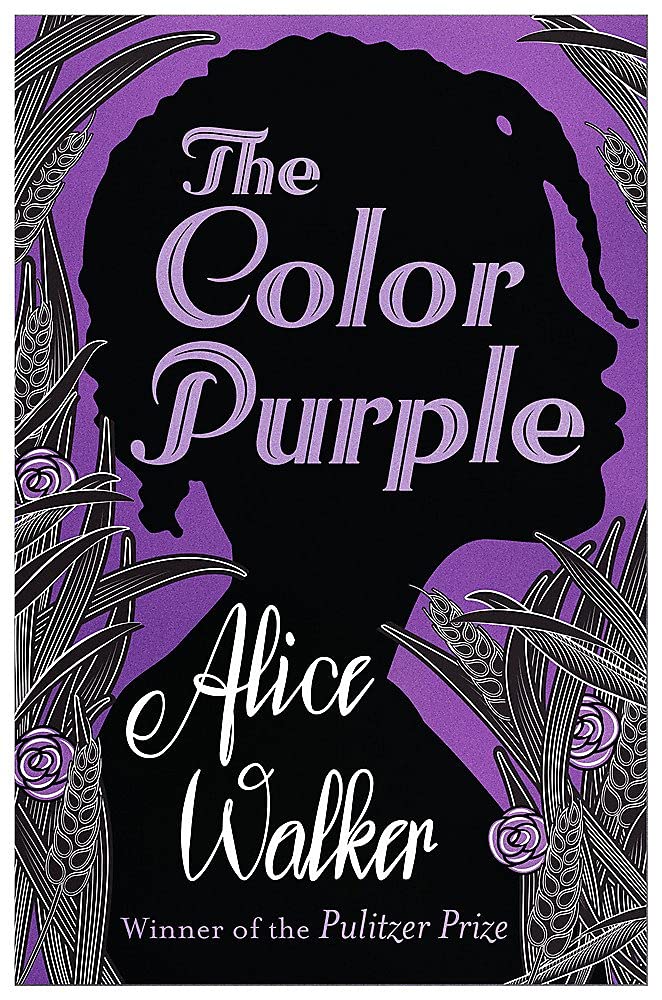
The Color Purple (1982) by Alice Walker. Credit: Amazon
Since its publication in 1982, The Color Purple has been adapted into a Broadway musical, a radio serial, and two movies. The book’s immense popularity has cemented its status as a classic, but it is also a target for book banning.
The novel follows Celie, a young African-American girl living in rural Georgia. Throughout the story, Celie faces sexism, racism, and abuse. One of the major themes portrayed in the book is the power of strong female relationships as a means to resist oppression and dominance by men.
Book bans across the United States challenge The Color Purple for a variety of reasons. Some justifications have included homosexuality, religious objections, sexual abuse, and explicit language.
The Pulitzer Prize-winning book is a moving description of perseverance, redemption, and love.
The Handmaid’s Tale by Margaret Atwood
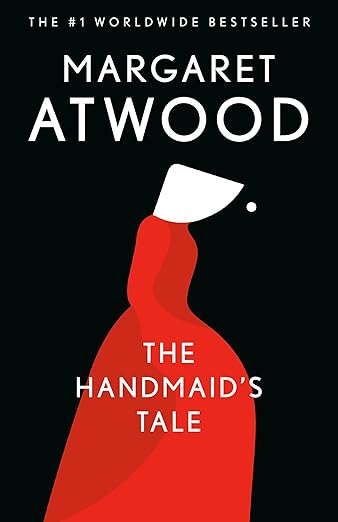
The Handmaid’s Tale (1998) by Margaret Atwood. Credit: Amazon
The Handmaid’s Tale, made even more popular by the award-winning television series, tells the tale of the totalitarian state of Gilead. Because of the dangerously low reproductive rates, Handmaids are made to bear children for the elite Commanders and their wives who have trouble conceiving.
The government of Gilead strictly restricts women’s rights. Handmaids’ names consist of “Of” and the name of their Commander. The story follows the Handmaid Offred as she is forced to serve Commander Fred Waterford and his wife Serena Joy.
The Handmaid’s Tale has been banned in myriad states and school districts for reasons relating to its discussion of sexuality, religious extremism, feminism, and its inclusion of LGBTQ characters.
When writing The Handmaid’s Tale, Atwood swore to not include anything that human beings had not already done to each other in some other place or time. The book is a haunting warning about the dangers of power and oppressive regimes.
1984 by George Orwell
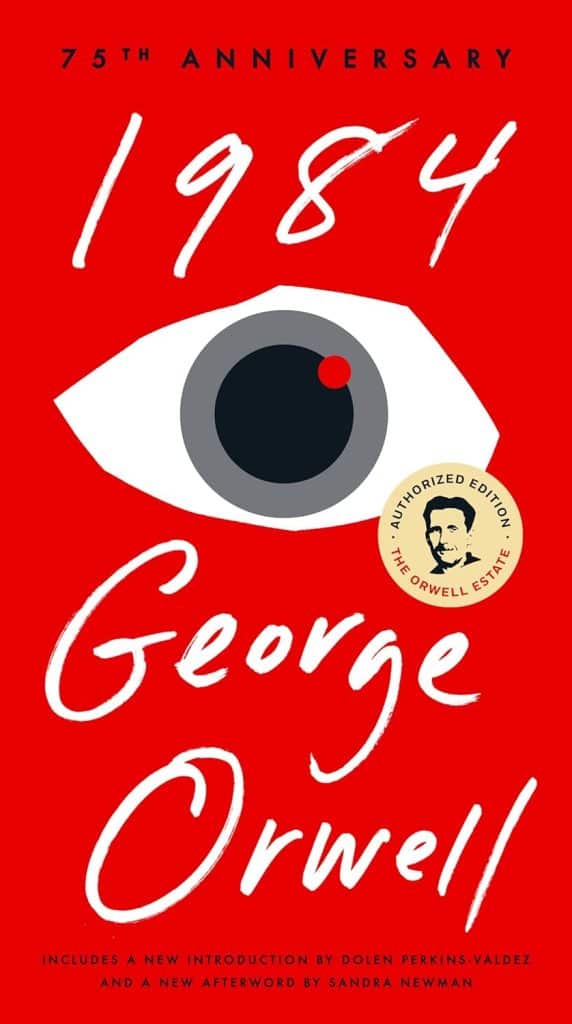
1984 (1961) by George Orwell. Credit: Amazon
Similar to The Handmaid’s Tale, Nineteen Eighty-Four (also published as 1984) is a dystopian and cautionary novel that focuses on the dangers and consequences of totalitarianism and repressive regimes. It is one of the most frequently banned books of all time.
The novel follows Winston Smith, a worker at the Ministry of Truth. He secretly despises the ruling Party, the constantly-surveilling government of the dystopia. Throughout the novel, Winston begins to defy the Party and looks to join the rebellion against the tyrannical regime.
1984 has been repeatedly banned and challenged across the United States for its social and political themes. In one case, the book was declared “pro-communist.”
Banning 1984 is incredibly ironic, as it strongly warns against the use of media censorship to control and manipulate civilians. The book encourages readers to question the world around them and think critically about their governments.
The Power of Books
Books have the power to foster understanding, cultivate empathy, and incite critical thinking among readers, young and old alike. Protecting the right to free speech, including the right to receive information and ideas, is crucial to a healthy democracy.
Reading banned books helps combat censorship and support intellectual freedom. If you’re looking for something new to spice up your reading list, go find a banned book!